Key Takeaways
- Interior design in Singapore demands a balance of aesthetics, functionality, and strict compliance with HDB regulations. As a result, smart layouts, multifunctional furniture, and durable materials are essential for transforming compact flats into functional homes.
- Budgeting strategically is critical: a 4-room HDB renovation costs an average of $30,000, though mid-range to premium projects can reach $65,000–$140,000 depending on scope, materials, and whether you’re renovating a BTO or resale flat.
- Current trends favour warm minimalism, Japandi aesthetics, biophilic design, and smart home integration-all adapted to Singapore’s tropical climate and the unique constraints of HDB homes.
Interior design in Singapore is the deliberate planning and styling of indoor spaces to improve functionality, comfort, and visual appeal. In Singapore, where over 1,000,000 HDB units exist across the island and approximately 80–85% of households live in HDB flats, interior design is not a luxury but a practical necessity. As living spaces are often compact, thoughtful design decisions directly impact daily life, wellbeing, and long-term property value.
This guide covers everything homeowners need to know about interior design in Singapore for 2026: from understanding residential property types and popular design styles to budgeting, space planning, material selection, lighting, room-specific guides, smart home integration, sustainability, and the full renovation process. Whether you’re a first-time BTO owner, renovating a resale HDB unit, upgrading a condominium, or reimagining a landed property, this resource is designed to help you achieve your dream home.
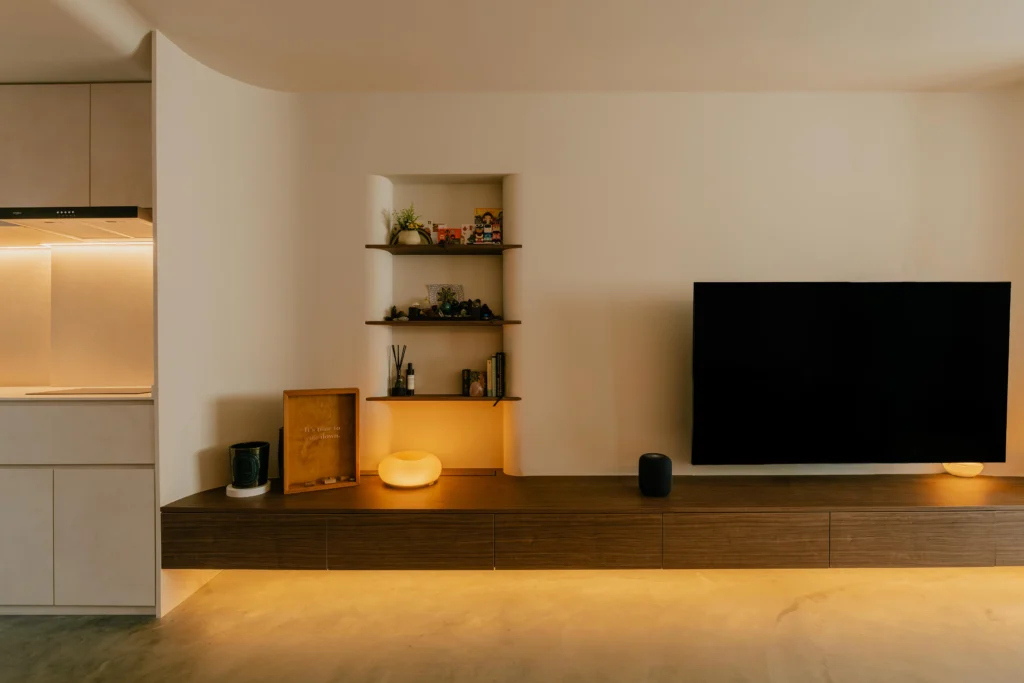
Why does interior design in Singapore matter so much?
Because the city-state’s housing landscape presents unique challenges-limited space, high humidity, strict HDB guidelines, and rising renovation costs-that require thoughtful, expert-driven solutions. Hiring experienced interior designers ensures compliance with regulations, optimizes every square foot, and delivers a home that balances beauty with practicality.
By the end of this guide, you will:
- Understand design opportunities across HDB, condo, and landed properties
- Know which design styles suit Singapore homes in 2026
- Budget effectively for your home renovation project
- Master space planning, material selection, and lighting design
- Stay current with the latest interior design in Singapore trends
Understanding Residential Property Types in Singapore
Singapore’s residential landscape spans public housing, private condominiums, and landed properties, each with distinct design opportunities and constraints. Therefore, understanding your property type is the first step toward planning a successful renovation and creating a home that meets both your lifestyle needs and spatial requirements.
HDB Interior Design
HDB flats are public housing units built by the Housing & Development Board and remain the most common home type in Singapore. Since October 2024, BTO (Build-To-Order) flats are classified into Standard, Plus, and Prime tiers based on location and subsidy level, affecting costs and resale restrictions.
BTO Flats
New BTO flats arrive with basic finishes-bare walls, standard flooring, and minimal fittings. This blank canvas allows homeowners to customize freely, and because electrical wiring and waterproofing are new, BTO renovations typically cost $15,000–$30,000 less than equivalent resale projects for similar finishes; this is especially relevant for compact units where understanding 2-room BTO renovation cost in detail helps with right-sizing your budget.
Resale HDB Flats
Resale flats often require more extensive work: hacking old tiles, redoing waterproofing in bathrooms and kitchens, rewiring outdated electrical systems, and addressing wear accumulated over many years. However, resale units sometimes offer larger floor plans-especially older 4-room and 5-room flats-and established neighbourhood amenities.
Common Design Challenges
HDB flats present recurring challenges: limited space with long, narrow layouts; essential corridor paths that consume usable area; restricted ceiling heights; and structural walls, beams, and columns that cannot be removed. Homeowners must distinguish between load-bearing and non-structural partition walls before any hacking work begins. Circulation paths need approximately 90–100 cm clearance, and furniture pieces must be carefully sized to fit.
HDB Renovation Guidelines
All HDB renovation projects require a permit from the Housing Development Board before work begins. Homeowners must engage an HDB Registered Renovation Contractor listed on HDB’s official directory. HDB renovation projects often involve masonry, plumbing, and electrical works, all of which must comply with the Housing & Development (Renovation Control) Rules Part III. Disallowed works-such as hacking structural walls-require Professional Engineer input. Work hours are generally restricted to Monday through Saturday, 9 am–6 pm, with no work on Sundays or public holidays. Contractors must display renovation notices outside the flat, and owners must notify neighbours before work begins. The renovation permit is typically valid for 3 months from the grant date.
Condominium Interior Design in Singapore
Condominiums offer premium layouts with higher ceilings, larger windows, and often better-quality base finishes than HDB flats. Interior design in Singapore for condos focuses on:
- Maximising premium layouts: Enhancing existing architectural features such as bay windows, balconies, and open kitchens
- Enhancing existing finishes: Many condos come with decent flooring and bathroom fittings; strategic upgrades rather than full overhauls save budget
- Storage and luxury upgrades: Display cabinets, walk-in wardrobes, wine storage, and elegant feature walls elevate the living experience
Condo renovations must comply with management corporation (MCST) rules, which govern work hours, material transport, and structural modifications.
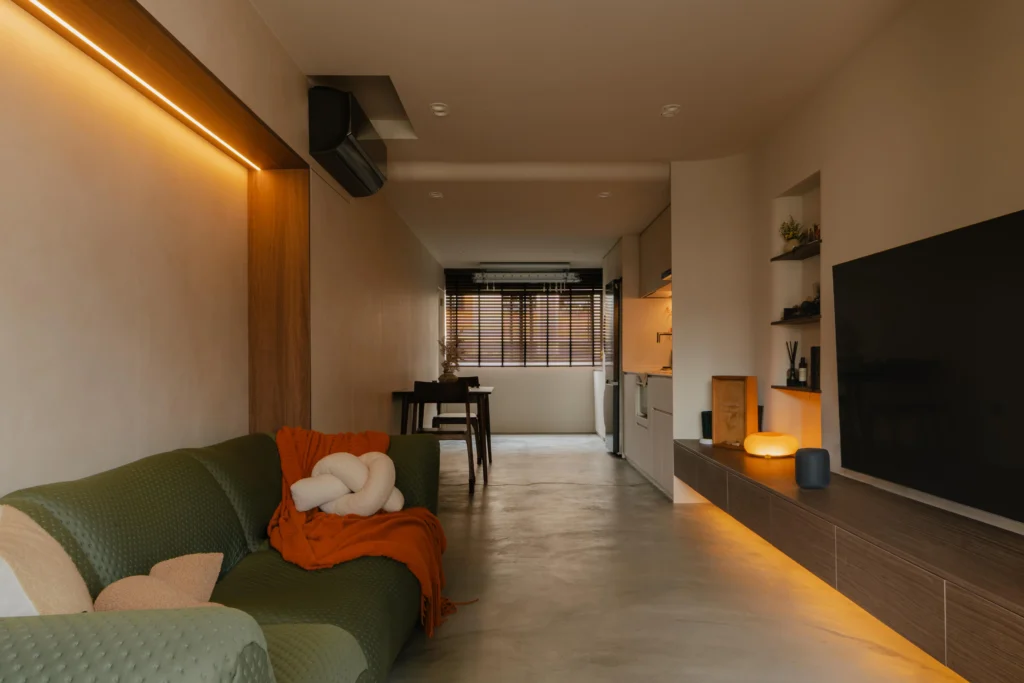
Landed Property Interior Design
Landed homes-terrace houses, semi-detached properties, and bungalows-offer the greatest design freedom in Singapore.
- Design opportunities: Multiple floors allow distinct zoning; exterior and interior design in Singapore can be coordinated; gardens, courtyards, and swimming pools integrate biophilic elements naturally
- Structural considerations: Larger construction scope means engaging architects and structural engineers; load-bearing walls, staircases, and roof structures require careful planning
- Approval requirements: Landed property renovations may require approval from the Urban Redevelopment Authority (URA) and Building and Construction Authority (BCA), particularly for additions, extensions, or façade changes
Popular Interior Design Styles in Singapore
Singapore homeowners in 2026 have access to a rich palette of design styles, each adapted to local climate conditions, compact layouts, and cultural preferences. The key is selecting a style that suits your lifestyle while remaining practical for Singapore’s humidity and space constraints.
Modern Interior Design
Modern design features clean lines and neutral colour schemes, emphasising simplicity and sophistication. In addition, sleek finishes, minimal ornamentation, and integrated technology create a streamlined aesthetic. As homeowners increasingly prioritise convenience and efficiency, smart home integration has become a popular feature in modern HDB design, with automated lighting, motorised blinds, and app-controlled air conditioning now commonly incorporated into renovations.
Scandinavian Interior Design
Scandinavian design emphasizes functionality and natural materials-light woods like oak and birch, linen textiles, and a focus on bringing warmth through texture rather than heavy decoration. The scandinavian style works exceptionally well in smaller HDB flats because neutral palettes and clutter-free layouts create an illusion of spaciousness. Built in storage solutions are integral, ensuring every item has a dedicated place.
Japandi Interior Design
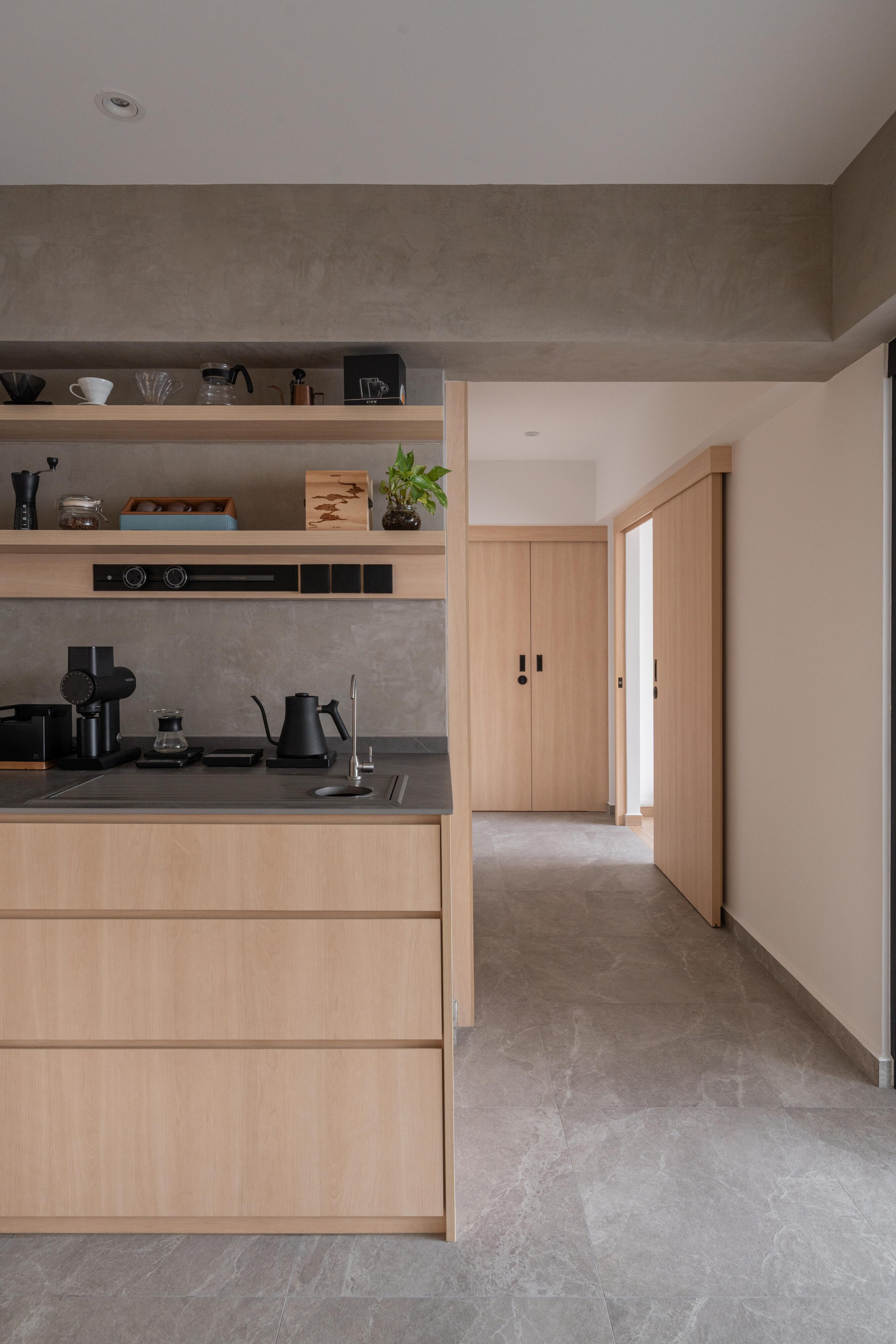
Japandi blends Japanese minimalism with Scandinavian warmth, creating interiors that feel serene yet inviting. Characterised by muted palettes such as sage, mushroom, and warm beige, it incorporates natural materials like timber, stone, and rattan to foster a calm and grounded atmosphere. Additionally, craftsmanship is valued over mass production, emphasising quality and longevity. As a result, Japandi has become one of the most popular interior design styles in Singapore for HDB flats, alongside Modern Industrial, reflecting homeowners’ growing preference for warmth, authenticity, and timeless design.
Minimalist Interior Design
Minimalist design features neutral palettes and simple furnishings, stripping interiors down to essential elements. It helps maintain an uncluttered, cozy space-particularly valuable in compact HDB homes where every square metre matters. Hidden doors create a clean and minimalist look in HDB flats, concealing storage rooms or utility areas behind flush-mounted panels.
Contemporary Interior Design
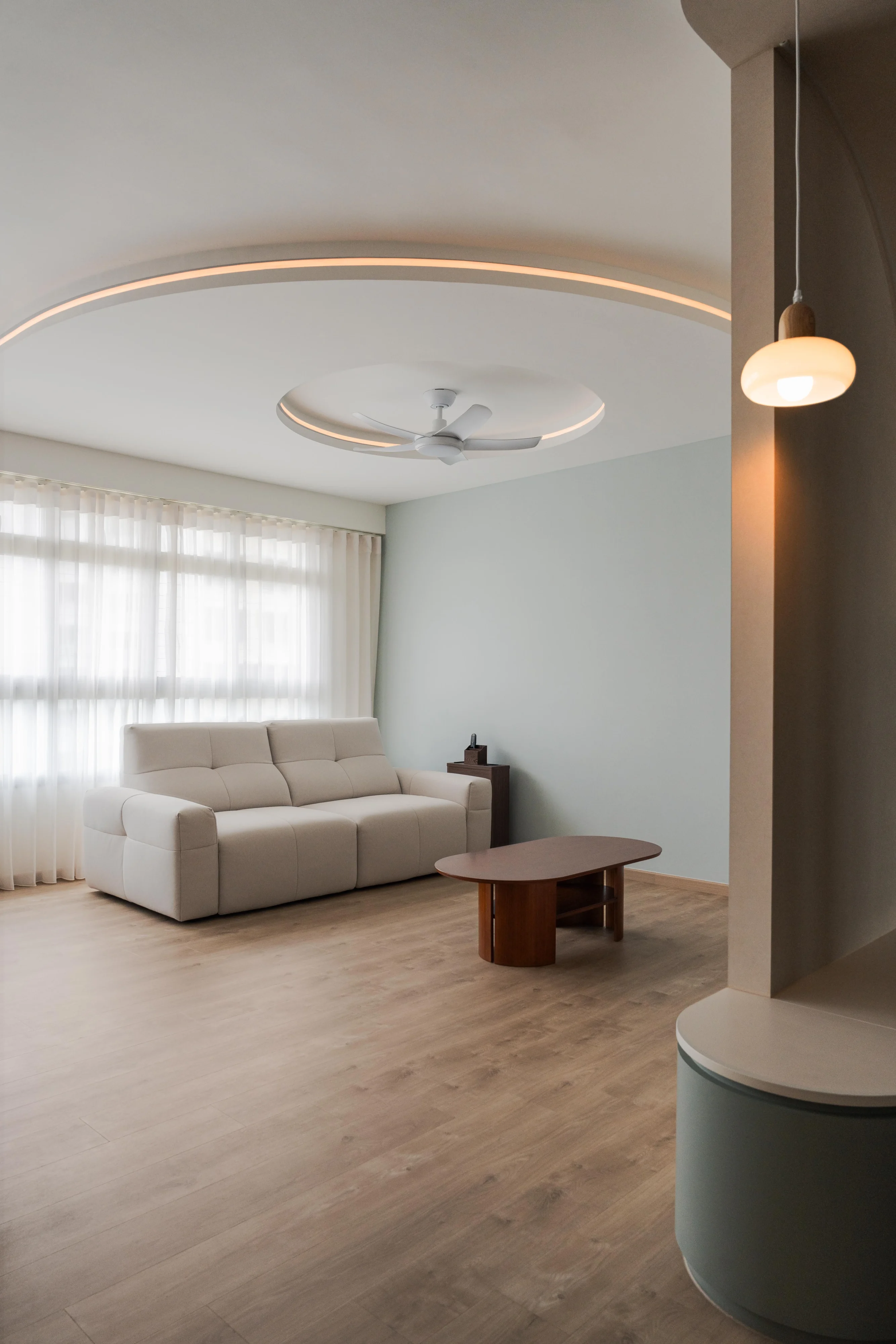
Contemporary style evolves with current aesthetics, borrowing from multiple traditions while maintaining cohesion. In 2026, contemporary interiors in Singapore lean toward warm tones, mixed materials (metal and timber, concrete and fabric), and statement lighting fixtures. Using curved elements can soften room lines and improve flow, a technique increasingly seen in contemporary HDB renovations.
Industrial Interior Design
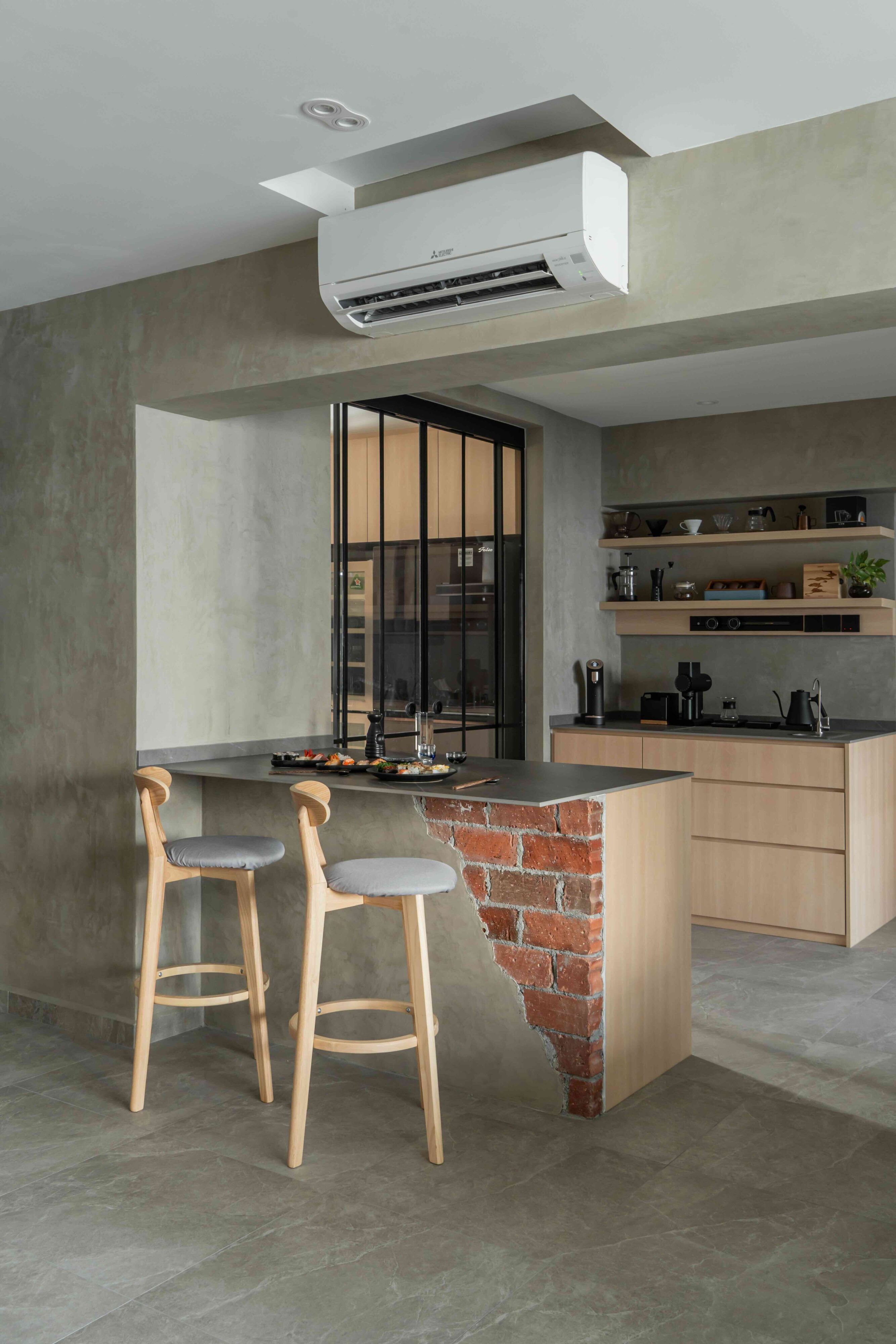
Industrial design incorporates raw materials like exposed brick and metal, creating an edgy, urban aesthetic. Concrete-effect walls, metal-framed shelving, and Edison-bulb lighting are hallmarks. In HDB flats, this style works best when balanced with warmer elements-timber countertops, leather furniture, and soft textiles-to prevent the space from feeling cold.
Luxury Modern Interior Design
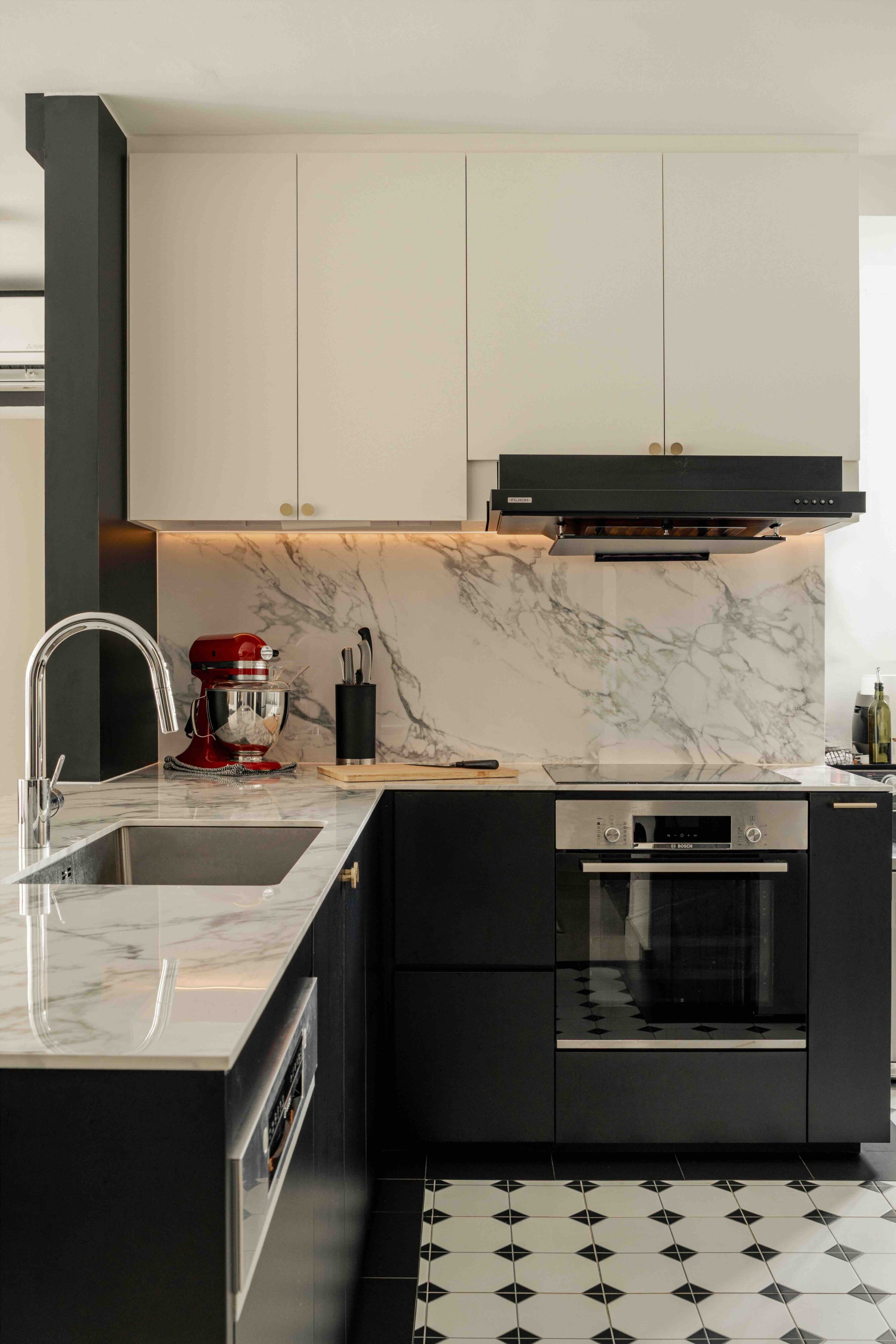
Luxury Modern combines premium materials such as marble, brass, and lacquer with sophisticated spatial planning to create refined and elegant interiors. Furthermore, this style emphasises bespoke detailing, high-quality finishes, and a seamless balance between form and function. As a result, it is particularly well suited to larger HDB units, condominiums, and landed properties, where more generous budgets can accommodate custom carpentry, imported stone surfaces, and tailor-made furniture pieces.
Wabi-Sabi Interior Design
Inspired by the Japanese philosophy of finding beauty in imperfection, Wabi-Sabi interiors embrace organic textures, handmade ceramics, irregular shapes, and natural patina. As a result, materials are celebrated for their natural ageing process rather than concealed or perfected. Elements such as limewash walls, raw wood, and handcrafted pottery add depth and character, creating spaces that feel authentic, lived-in, and deeply connected to nature.
Eclectic Interior Design
Eclectic design draws from multiple styles, eras, and cultures, unified by a coherent colour palette or thematic thread. As a result, it offers homeowners the freedom to express their individuality through thoughtfully layered interiors. For example, vintage furniture can be paired with modern artwork, while bold wallpapers can complement understated furnishings. However, success depends on careful curation and restraint, as too many competing elements may cause a space to feel cluttered rather than cohesive.
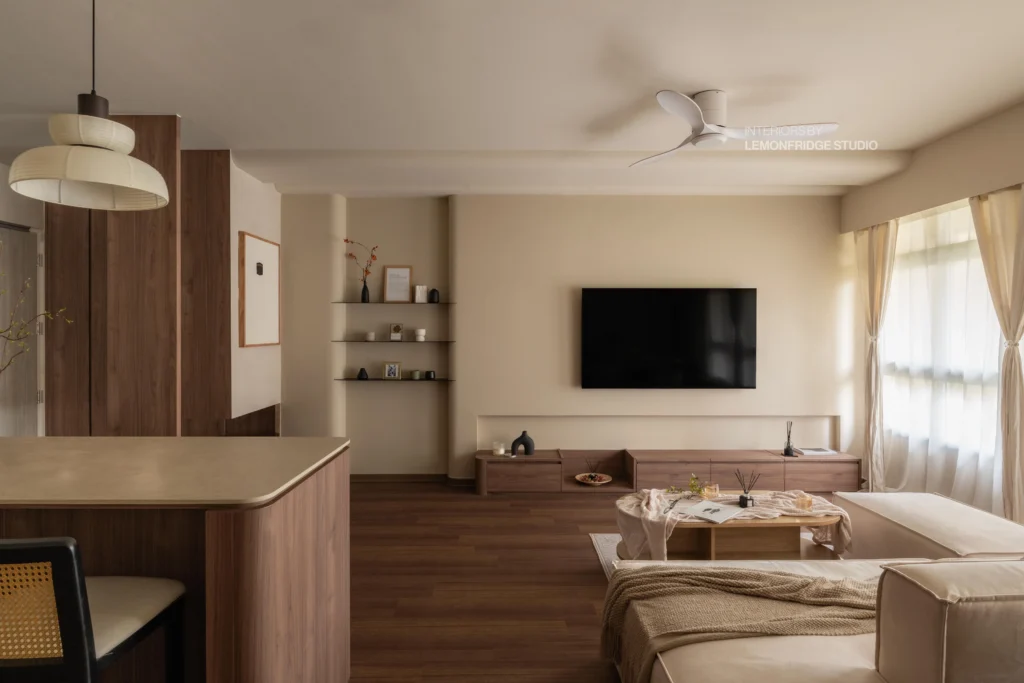
How to Plan Your Interior Design Project
A good renovation plan balances aesthetics and functionality. Before selecting colours or materials, invest time in understanding how you actually live.
Define Your Lifestyle Needs
- Family size: A couple needs different spatial priorities than a family with children or elderly parents. Multigenerational living-common in 3Gen HDB flats-requires accessible bathrooms, wider doorways, and flexible room configurations, while owners of compact units benefit from 3-room BTO renovation ideas and tips that show how to make every square metre work harder.
- Work-from-home requirements: Hybrid work demands dedicated study corners or home offices with proper lighting, power outlets, and acoustic privacy.
- Entertainment preferences: Do you host dinner parties, enjoy home cinema, or prefer quiet reading nooks? Creating comfortable nooks adds warmth to any room.
- Storage needs: Audit your belongings honestly. Integrated storage solutions help maintain tidiness in small spaces and should be planned before-not after-design development begins.
Set Design Goals
- Functionality: Prioritize flow, accessibility, and practical daily use above visual impact
- Aesthetics: Choose a cohesive design style that reflects your personality and can evolve over time
- Property value enhancement: Thoughtful interior design improves resale potential; neutral, well-executed renovations consistently outperform trendy or highly personalized ones
Create an Inspiration Board
Collect visual references from Pinterest, Instagram, and designer portfolios. Group images by room, colour, or mood. This exercise clarifies your vision before engaging interior designers and helps communicate preferences precisely-saving time and reducing costly mid-project changes.
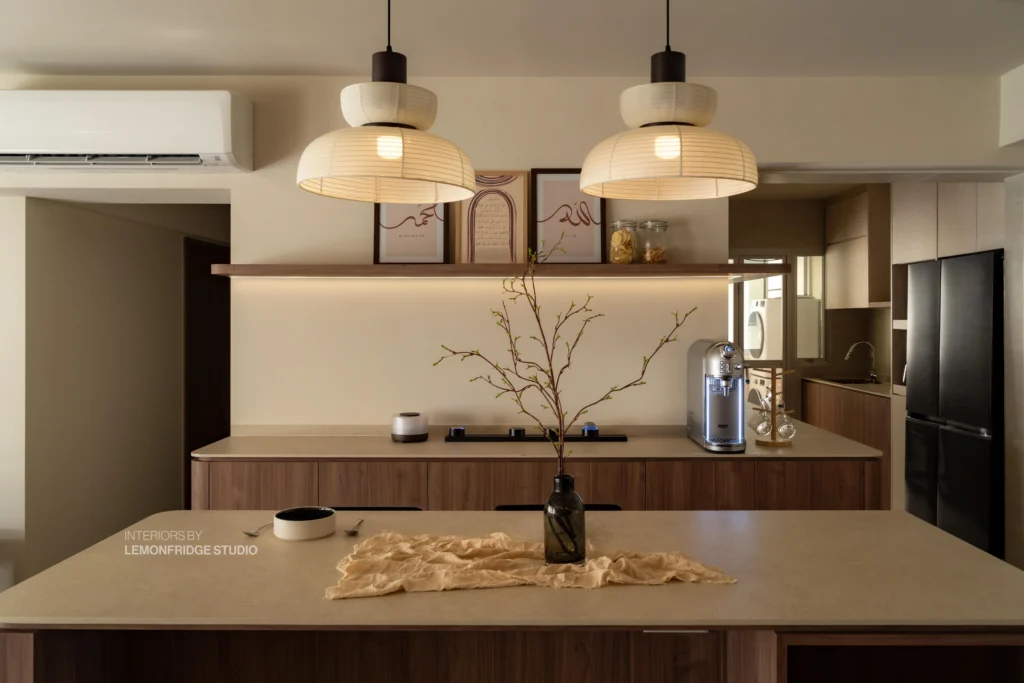
Budget Guide for Interior Design in Singapore
Budgeting is where many home renovation projects go wrong. Therefore, understanding the key cost drivers early in the planning process helps prevent unexpected expenses and ensures resources are allocated to the elements that matter most. By setting realistic priorities and budgets from the outset, homeowners can achieve better outcomes without compromising on functionality or design quality.
Factors Affecting Renovation Costs
- Property type: HDB, condo, and landed properties have vastly different cost profiles. HDB renovation requires compliance with specific guidelines that can constrain or simplify scope.
- Home size: A 3-room HDB flat (60–68 sqm) costs significantly less to renovate than a 5-room flat (110–130 sqm) or an Executive Apartment, and targeted 4-room HDB resale renovation ideas can help you stretch your budget further when upgrading older units.
- Material selection: Vinyl flooring at $4–7 per square foot versus natural stone at $40–80 per square metre represents a massive cost differential.
- Carpentry works: Custom carpentry-kitchen cabinets, wardrobes, feature walls, display cabinets-typically accounts for 30–40% of total renovation budget, so using a structured renovation roadmap for Singapore costs helps you decide where bespoke work is really worth the investment.
- Electrical and plumbing requirements: Rewiring, adding power points, installing inverter air-conditioning systems, and replumbing bathrooms represent substantial fixed costs, especially in resale flats.
Typical Budget Breakdown
| Category | Approximate Share |
|---|---|
| Design fees | 10–15% |
| Carpentry | 30–40% |
| Flooring | 8–15% |
| Painting | 5–8% |
| Lighting and electrical | 10–15% |
| Furniture and décor | 10–20% |
Renovating a 4-room HDB flat costs about $30,000 for basic upgrades. Mid-range BTO renovations run $35,000–$65,000, while resale 4-room flats typically cost $55,000–$95,000. Premium designer-led renovations can reach $80,000–$140,000. For 3-room resale flats, expect $40,000–$60,000; for 5-room resale flats, $65,000–$100,000 at mid-premium level.
Cost-Saving Tips
- Prioritize essentials: Focus budget on high-impact areas-kitchen, bathroom, and flooring-rather than spreading thinly across every room. Choose one or two feature focal points rather than multiple accent walls.
- Use durable materials: Spending more upfront on moisture-resistant substrates (marine plywood, treated MDF) and quality hardware (soft-close hinges) reduces replacement costs over many years.
- Avoid unnecessary customisation: Laminate finishes are cost-effective and increasingly sophisticated; engineered timber offers warmth without premium solid wood pricing. ID markups typically add 18–28% above direct contractor pricing-homeowners with time and design sense can save by working directly with contractors.
Space Planning and Layout Design
Why Space Planning Matters
In Singapore’s compact HDB homes, poor space planning wastes precious square footage and creates frustrating daily friction. Smart zoning defines areas in open-concept spaces without physical barriers, allowing each zone to serve its purpose while maintaining visual flow, and a solid HDB floor plan guide makes it easier to visualize these layout decisions before you start work.
Open Concept Living
Open-concept layouts create seamless flow and allow natural light penetration throughout the flat. Removing non-structural partition walls to combine living, dining, and kitchen areas is one of the most transformative changes homeowners can make. Glass partitions or sliding doors create privacy while maintaining visual openness. Sliding barn doors save space in small HDB units by eliminating the swing arc of traditional doors.
Smart Storage Solutions
- Built-in cabinets: Full-height cabinetry is effective for maximizing vertical storage space, utilising the often-wasted area between cabinet tops and ceilings, especially in 4-room HDB floor plans where space must balance communal areas and private bedrooms
- Hidden storage: Concealed storage areas keep HDB flats tidy and organized-think storage behind TV consoles, within room dividers, and beneath platform beds
- Vertical storage: Wall-mounted shelving, pegboard systems, and overhead racks in kitchens and service yard areas exploit vertical real estate
Multifunctional Spaces
- Study corners: Fold-down desks or built-in counters along corridor walls create dedicated work zones without consuming entire rooms
- Flexible guest rooms: Flexible furniture pieces accommodate guests without permanent clutter-Murphy beds, daybed-sofas, and convertible sofa systems transform rooms in seconds, a strategy often used in 2-room Flexi HDB designs to keep small flats adaptable.
- Convertible furniture: Platform beds with storage maximize space in small bedrooms; extendable dining tables expand for entertaining then retract for daily use. Multifunctional furniture helps maintain a decluttered HDB environment and is especially powerful in simple 2-room flat interior design where every item must earn its keep.
Choosing Materials and Finishes
Durable materials are preferred in Singapore due to its tropical climate-high humidity, heavy rainfall, and constant heat place unique demands on every surface in your home.
Flooring Options
| Material | Cost (per sq ft, 2026) | Durability | Best For |
|---|---|---|---|
| Vinyl SPC | $4–$7 | 10–15 years | All rooms, budget-friendly |
| Ceramic/Porcelain Tiles | $10–$22 | 20+ years | Wet areas, high-traffic zones |
| Engineered Wood | $12–$20 | 15–20 years | Living areas, bedrooms |
| Natural Stone/Marble | $15–$30+ | 25+ years | Feature areas, luxury projects |
Waterproofing under flooring is critical in wet zones, particularly for resale flats where original waterproofing membranes may have degraded.
Wall Finishes
- Paint: Moisture and mould-resistant formulations are essential; dark colors create a cozy atmosphere in HDB homes when used strategically in bedrooms or feature walls
- Feature walls: Fluted panels, microcement, and limewash textures add depth without overwhelming limited space
- Wall panels: Timber slat panels and acoustic panels serve both aesthetic and functional purposes
- Wallpaper: Washable, vinyl-coated wallpapers withstand humidity better than traditional paper options
Countertops and Surfaces
- Quartz: Non-porous, low maintenance, consistent patterning-ideal for HDB kitchens, and one of several materials covered in depth in our 2026 kitchen countertop guide for Singapore
- Sintered stone: Extremely durable, heat-resistant, and available in marble-look finishes
- Granite: Natural beauty with excellent durability, though requires periodic sealing
- Marble: Premium elegance but porous and requires careful maintenance in Singapore’s humid climate
Cabinet Materials
- Laminates: Cost-effective, available in hundreds of finishes, and resistant to moisture when properly edged-the most practical choice for most HDB renovations, particularly when paired with broader HDB interior design strategies to maximize space and style.
- Veneers: Natural wood appearance with better moisture resistance than solid timber; requires more maintenance than laminate
- Acrylic finishes: High-gloss, modern appearance that reflects light and creates a sleek, elegant feel; fingerprint-prone but easy to clean
Lighting Design for Singapore Homes
Lighting transforms how a room feels. Warm lighting enhances comfort in small spaces, while strategic layering creates depth and functionality throughout your HDB unit.
Ambient Lighting
Ambient lighting provides overall illumination-recessed ceiling downlights, cove lighting in false ceilings, and pendant fixtures over dining areas establish the room’s baseline brightness. LED panels integrated into false ceilings deliver even, energy-efficient ambient light.
Task Lighting
Task lighting targets specific activities, such as under-cabinet strips in kitchens, desk lamps in study areas, and vanity lights beside bathroom mirrors. As a result, it provides focused illumination exactly where it is needed most. Furthermore, proper task lighting reduces eye strain, improves visibility, and makes daily routines safer and more comfortable.
Accent Lighting
Accent lighting highlights architectural features, artwork, and display cabinets, adding depth and character to a space. For example, track lights, picture lights, and LED strip lighting within shelving units can draw attention to key design elements while creating visual interest. Consequently, accent lighting enhances the overall ambience of a home and introduces a sense of sophistication and elegance to flat interiors.
Natural Light Optimisation
Mirrors create the illusion of larger spaces in small HDB flats by reflecting natural light deeper into rooms. In addition, light-coloured walls, sheer curtains, and strategically placed reflective surfaces help amplify available daylight, making interiors feel brighter and more spacious. Furthermore, positioning furniture to avoid blocking windows ensures maximum light penetration, enhancing both the functionality and visual openness of the home.
Smart Lighting Systems
Smart lighting systems, whether app-controlled, voice-activated, or programmable, allow homeowners to adjust colour temperature and intensity throughout the day with ease. As a result, lighting can be tailored to suit different activities and moods, from bright white illumination for morning routines to warm tones for evening relaxation. Furthermore, many smart systems can be automated to follow daily schedules, enhancing both convenience and energy efficiency.
Kitchen Interior Design Guide
The kitchen is often the most intensively used and most expensive room to renovate in any HDB flat.
Kitchen Layout Types
- L-shaped: Efficient for 3-room and 4-room HDB flats; provides ample counter space while keeping the layout open
- U-shaped: Maximizes storage and work surface in larger kitchens; suits 5-room flats and Executive Apartments
- Galley: Ideal for narrow enclosed HDB kitchens; parallel counters with a central walkway of at least 90 cm
- Island kitchen: Requires substantial floor area; increasingly popular in open-concept renovations where the kitchen merges with living and dining zones
Storage Solutions
Floor-to-ceiling kitchen cabinets, pull-out drawers, corner carousel units, and overhead racks help maximise every available inch of storage space. In addition, integrated storage solutions within kitchen islands, such as compartments for spices, utensils, and small appliances, keep essential items organised and easily accessible. As a result, countertops remain clutter-free, creating a more functional, efficient, and visually appealing kitchen.
Appliance Integration
Built-in ovens, concealed range hoods, and integrated dishwashers create a streamlined appearance. Appliance garages-countertop-level cabinets with roller doors-hide small appliances when not in use.
Kitchen Material Selection
Kitchen surfaces must withstand heat, moisture, and heavy use. Quartz and sintered stone countertops outperform marble in durability. Laminate cabinet fronts with moisture-resistant MDF cores handle Singapore’s humidity effectively. Kitchen backsplash design-using porcelain or subway-style tiles, glass, or stone-protects walls while adding visual interest.
Bathroom Interior Design Guide
Space Optimisation
Compact HDB bathrooms benefit from space-saving solutions such as wall-hung vanities, which free up floor space, recessed niches that eliminate the need for protruding shelving, and frameless glass shower screens that maintain visual openness. As a result, even small bathrooms can feel more spacious and functional. Furthermore, every centimetre counts in compact layouts, which is why many 2025 shower room trends in Singapore continue to embrace walk-in configurations, minimalist fixtures, and sleek glass enclosures that enhance both practicality and aesthetics.
Wet and Dry Zones
Separating wet and dry zones with glass partitions or a slight floor level difference keeps the bathroom safer and easier to maintain. Proper waterproofing-particularly in resale flats-is non-negotiable; failed waterproofing causes damage to neighbouring units below, while a Scandinavian bathroom design approach layers in warm materials and light to create a spa-like feel.
Bathroom Storage
Wall-mounted cabinets, mirrored medicine cabinets, and recessed shelving within shower niches provide storage without consuming floor area. Narrow tall cabinets beside vanities store toiletries vertically.
Popular Bathroom Design Trends
In 2026, bathroom trends in Singapore continue to favour terrazzo-effect tiles, matte black fixtures, rainfall showerheads, warm wood-tone vanities, and integrated LED mirrors. In addition, homeowners are increasingly embracing spa-inspired aesthetics to create a more relaxing and luxurious environment. Elements such as natural stone finishes, indoor greenery, and layered ambient lighting help transform everyday bathrooms into calming retreats within the home.
Bedroom Interior Design Guide
Master Bedroom Design
The master bedroom should strike a balance between relaxation and practical storage. For example, platform beds with integrated drawers maximise under-bed storage while maintaining a clean and uncluttered appearance. In addition, a cohesive colour palette featuring muted tones and layered textures can help create a calming retreat. Furthermore, decorating the foyer and other transitional spaces leading to the bedroom establishes a welcoming atmosphere and sets a warm, cohesive tone throughout the home.
Children’s Bedroom Design
Children’s rooms prioritize durability, safety, and adaptability. Furniture that grows with the child-adjustable desks, modular shelving, loft beds with study areas below-extends the room’s useful life. Bright accent colours add personality without overwhelming the space, and thoughtful 3-room HDB floor plan planning ensures children’s rooms still feel spacious and connected to the rest of the home.
Guest Room Design
Flexible furniture pieces accommodate guests without permanent clutter. Murphy beds, daybed-sofas, or convertible sofa systems transform a study or hobby room into guest quarters when needed. Maintaining dual functionality ensures the room serves the household daily.
Wardrobe Planning
Built-in wardrobes with customized internal configurations-adjustable shelving, dedicated shoe racks, accessory drawers, full-length mirrors-maximize storage efficiency. Sliding wardrobe doors save space compared to hinged alternatives. Laminate finishes in neutral tones suit most bedroom aesthetics and resist humidity.
Living and Dining Room Design
Layout Planning
The living and dining area is the social centre of most HDB homes. Define zones using rugs, lighting changes, or furniture arrangement rather than walls. Smart zoning defines areas in open-concept spaces without physical barriers, maintaining both visual spaciousness and functional clarity, which is especially important when creating a premium feel in 3-room HDB design.
Furniture Selection
Scale furniture to your room-oversized sofas overwhelm 3-room HDB flats, while undersized pieces look lost in 5-room layouts. Modular sofas, round dining tables (which improve traffic flow), and slim-profile consoles work well in compact spaces.
Feature Walls
A single well-designed feature wall-using fluted panels, textured paint, or stone veneer-creates a focal point without visual clutter. In 2026, the preference is for fewer but standout feature elements rather than decorating every wall, such as investing in sleek TV wall designs for your living space that integrate storage, lighting, and display.
Entertainment Areas
TV consoles with concealed storage help integrate media equipment, cables, and accessories behind clean, streamlined facades. As a result, living spaces remain organised and visually uncluttered. For homes with sufficient space, dedicated media walls featuring recessed shelving and ambient backlighting can further elevate the entertainment experience. In addition, these custom-built features add depth, functionality, and a sophisticated focal point to the living area.
Smart Home Integration
Smart home integration is increasingly popular in HDB design, driven by falling costs, improved reliability, and genuine convenience gains.
Lighting
Programmable LED systems adjust colour temperature and brightness via app or voice control. Scenes-“Movie Night,” “Morning Routine,” “Dinner Party”-activate preset configurations instantly.
Smart Security Systems
Digital door locks, video doorbells, and IP cameras accessible via smartphone provide security and convenience. Integration with home automation platforms allows remote monitoring and control.
Smart Appliances
Robot vacuum cleaners, smart washing machines, app-controlled air conditioners, and connected kitchen appliances streamline household management. Energy monitoring systems track consumption and suggest efficiency improvements.
Home Automation Trends
In 2026, unified smart home ecosystems (Matter protocol, Apple HomeKit, Google Home) allow seamless device interoperability. Voice-controlled scenes-adjusting lighting, curtains, air conditioning, and music simultaneously-are becoming standard in renovated HDB homes.
Sustainable Interior Design in Singapore
Eco-Friendly Materials
Sustainably sourced timber, bamboo flooring, recycled metal fixtures, and VOC-free paints reduce environmental impact. Rattan and linen-natural, renewable materials-feature prominently in biophilic and Japandi design styles, both of which are highlighted in our Singapore interior design styles guide.
Energy-Efficient Design
Cross-ventilation planning reduces air-conditioning dependency. Energy-efficient inverter air-conditioning systems (3- to 5-tick rated), LED lighting throughout, and strategic window placement lower electricity bills and carbon footprints.
Sustainable Furniture Choices
Investing in quality furniture built to last decades outweighs buying affordable disposable pieces. Vintage or refurbished furniture reduces waste while adding character and uniqueness.
Long-Term Cost Benefits
Higher upfront investment in durable materials and energy-efficient systems pays back through lower maintenance, reduced replacement frequency, and lower utility bills over the life of the renovation.
Renovation Timeline and Process
The renovation process for a typical mid-range 4-room HDB flat spans 8–12 weeks. High-scope resale renovations may extend to 10–16 weeks.
Initial Consultation
Meet with interior designers or contractors to discuss needs, preferences, and budget. Review their portfolios, assess communication style, and confirm they are HDB Registered Renovation Contractors.
Design Development
The designer creates floor plans, 3D renders, and material mood boards. This phase refines layouts, confirms spatial configurations, and finalizes the overall design concept.
Quotation and Budgeting
Detailed quotations itemize every component-carpentry, flooring, electrical, plumbing, painting, and furnishings. Compare quotations from multiple firms, ensuring like-for-like comparison of materials and scope.
Material Selection
Visit showrooms to select flooring, tiles, laminates, countertops, sanitary ware, and lighting fixtures. Physical samples reveal texture, colour accuracy, and quality that screen images cannot convey.
Renovation Works
The typical sequence follows:
- Hacking and demolition (Week 5–6)
- Electrical rewiring and plumbing rough-in (Week 5–6)
- Masonry, waterproofing, and tiling (Week 6–7)
- Carpentry installation-kitchen cabinets, wardrobes, built-in furniture (Week 7–9)
- Flooring installation and wall finishes (Week 8–9)
- Painting and touch-ups (Week 9–10)
- Lighting fixtures, switches, and final installations (Week 10–11)
Final Inspection and Handover
Walk through the completed project with your designer or contractor. Check carpentry alignment, paint finish quality, electrical functionality, plumbing integrity, and overall workmanship. Address any defects before final payment and handover.
How to Choose the Right Interior Designer
Review Previous Projects
Examine completed projects similar in scope and property type to yours. A designer experienced with HDB renovations understands HDB regulations, space constraints, and permit requirements intimately, while owners of larger homes may prefer firms that specialize in semi-detached house interior design services.
Assess Communication Style
Your designer should listen, respond promptly, and explain trade-offs clearly. Renovating your home requires weeks of close collaboration-communication compatibility matters as much as design talent.
Compare Quotations
Obtain at least three detailed quotations. Compare not just total price but material specifications, warranty terms, and scope inclusions. The cheapest quote often omits items that surface as costly additions later.
Understand Scope of Services
Clarify what’s included: does the fee cover project management, site supervision, 3D visualisation, furniture sourcing, and post-renovation warranty? Some firms offer full-service packages; others charge separately for each phase.
Questions to Ask Before Hiring
- What is your team’s experience with this flat type?
- Can you provide your HDB Registered Renovation Contractor registration and contact number?
- What is your typical project timeline for this scope?
- How do you handle budget overruns or scope changes?
- What warranty do you provide on carpentry and workmanship?
Common Interior Design Mistakes to Avoid
Prioritising Trends Over Function
Trendy elements date quickly. A stylish feature wall means nothing if the kitchen layout creates daily frustration. Always prioritize functionality and flow over fleeting aesthetics.
Insufficient Storage Planning
Underestimating storage needs is the most common regret among HDB homeowners. Plan storage during the design phase-not as an afterthought. Full-height cabinetry, concealed storage, and dedicated zones for every category of belongings prevent future clutter.
Poor Lighting Design
Relying solely on a single ceiling light per room creates flat, uninspiring spaces. Layer ambient, task, and accent lighting. Warm lighting enhances comfort and transforms how rooms feel after dark.
Unrealistic Budget Expectations
Allocate a 10–15% contingency buffer. Unexpected issues-especially in resale flats-such as hidden water damage, outdated wiring, or structural surprises can escalate costs quickly.
Hiring Based on Price Alone
The lowest quote rarely delivers the best outcome. Evaluate designers and contractors based on portfolio quality, communication, references, and scope clarity-not just the bottom line.
Interior Design Trends in Singapore for 2026
Multifunctional Spaces
Hybrid work arrangements, growing families, and compact living spaces continue to drive demand for multifunctional rooms. As a result, homeowners are increasingly designing spaces that can adapt to changing needs throughout the day. For example, guest bedrooms may double as home offices, dining tables can function as workstations, and living rooms can incorporate dedicated play areas for children. Consequently, flexible and adaptable layouts have become essential for maximising both space and functionality in modern homes.
Curved Furniture and Organic Shapes
Rounded silhouettes in sofas, dining tables, mirrors, and architectural elements are increasingly replacing rigid rectilinear forms. As a result, interiors feel softer, more welcoming, and visually balanced. In addition, incorporating curved elements can improve spatial flow by reducing harsh lines and creating a more natural movement throughout the home. Consequently, these organic forms contribute to a relaxed and inviting atmosphere while adding a contemporary touch to the overall design.
Warm Minimalism
The dominant aesthetic of 2026 replaces cold, stark minimalism with earthy tones-terracotta, sage, olive, chocolate brown-paired with tactile surfaces like fluted wood panels, limewash walls, and microcement textures. It feels lived-in rather than sterile, similar in spirit to Muji-inspired interior design for serene homes that focuses on calm, clutter-free spaces.
Smart Homes
From app-controlled lighting to voice-activated curtains, smart home features are moving from luxury to expectation. Homeowners increasingly view home automation as a practical investment rather than a tech novelty.
Sustainable Materials
Ethically sourced timber, recycled metals, natural fabrics (linen, cotton, jute), and low-VOC finishes reflect growing environmental consciousness among Singapore homeowners.
Biophilic Design
Indoor plants, natural stone, wood textures, and maximized natural light connect occupants to nature. Biophilic design improves wellbeing, air quality, and the overall sense of calm within urban HDB environments.
Custom Storage Solutions
Bespoke carpentry-tailored to exact room dimensions and personal habits-replaces generic off-the-shelf units. Custom solutions extract maximum utility from every corner, niche, and under-utilized space in HDB flats.
Ready to Transform Your Home?
Successful interior design in Singapore balances beauty and practicality. Your home should look appealing and feel effortless to live in-every day, not just on the day it’s completed.
Creating a future-proof home means selecting durable materials suited to Singapore’s climate, choosing timeless design styles over fleeting trends, and building in flexibility for evolving family needs. A well-planned renovation transforms not just your living space but your quality of life for many years to come.
Maximising long-term value-whether for personal enjoyment or eventual resale-requires thoughtful space planning, quality execution, and compliance with all relevant guidelines. Start by measuring your space, setting a realistic budget, gathering inspiration, and engaging a qualified designer or contractor like Lemonfridge that shares your vision. Your dream home is a project worth planning well.
Frequently Asked Questions
A 4-room HDB renovation costs an average of $30,000 for basic upgrades. Mid-range BTO renovations run $35,000–$65,000, while resale 4-room flats typically cost $55,000–$95,000. Premium renovations with designer-led carpentry works, smart home features, and high-end materials can reach $80,000–$140,000.
HDB renovation permits are applied for during weeks 3–4 of the typical renovation process. Approval timelines vary by scope-straightforward carpentry and painting permits are processed faster, while structural modifications requiring Professional Engineer input take longer. The permit is valid for 3 months from the grant date.
Minimalist, Scandinavian, and Japandi styles work exceptionally well in compact HDB flats because they emphasize clean lines, neutral palettes, and functional furniture that maximizes limited space. Warm minimalism-the dominant trend in 2026-adds depth through texture and earthy tones without cluttering small rooms.
Homeowners must engage an HDB Registered Renovation Contractor, apply for a renovation permit before work begins, avoid hacking structural walls or altering household shelters, comply with regulated work hours (Monday–Saturday, typically 9 am–6 pm), display renovation notices, and notify neighbours. All works must comply with the Housing & Development (Renovation Control) Rules Part III.
To maximize space in compact homes, use full-height cabinetry to take advantage of vertical storage, install platform beds with built-in drawers, and integrate concealed storage within TV consoles and room dividers. In addition, the service yard and household shelter can be optimized with custom shelving and storage systems to improve organization. As space is often limited, every piece of furniture should ideally serve a dual purpose by providing both functionality and storage capacity. Consequently, these strategies help reduce clutter while creating a more efficient and comfortable living environment.
Interior designers provide end-to-end design vision, project management, and material coordination-ideal for homeowners who want a cohesive, professionally designed result. Working directly with a dedicated contractor can save 18–28% in markup costs but requires the homeowner to invest significantly more time in coordination, design decisions, and quality oversight.
Warm minimalism leads, followed by Japandi, biophilic design, and Modern Industrial. Curved furniture, organic shapes, rich moody colour palettes (olive, terracotta, chocolate brown), and sustainable materials define the aesthetic direction. Smart home integration continues to gain momentum across all styles.
Prioritize moisture-resistant substrates for carpentry (marine plywood, treated MDF), water-resistant flooring (vinyl SPC, porcelain tiles), mould-resistant paints, and non-porous countertop surfaces (quartz, sintered stone). Avoid untreated natural wood in wet areas. Quality hardware with anti-corrosion coatings extends the lifespan of cabinets and doors in Singapore’s humid environment.