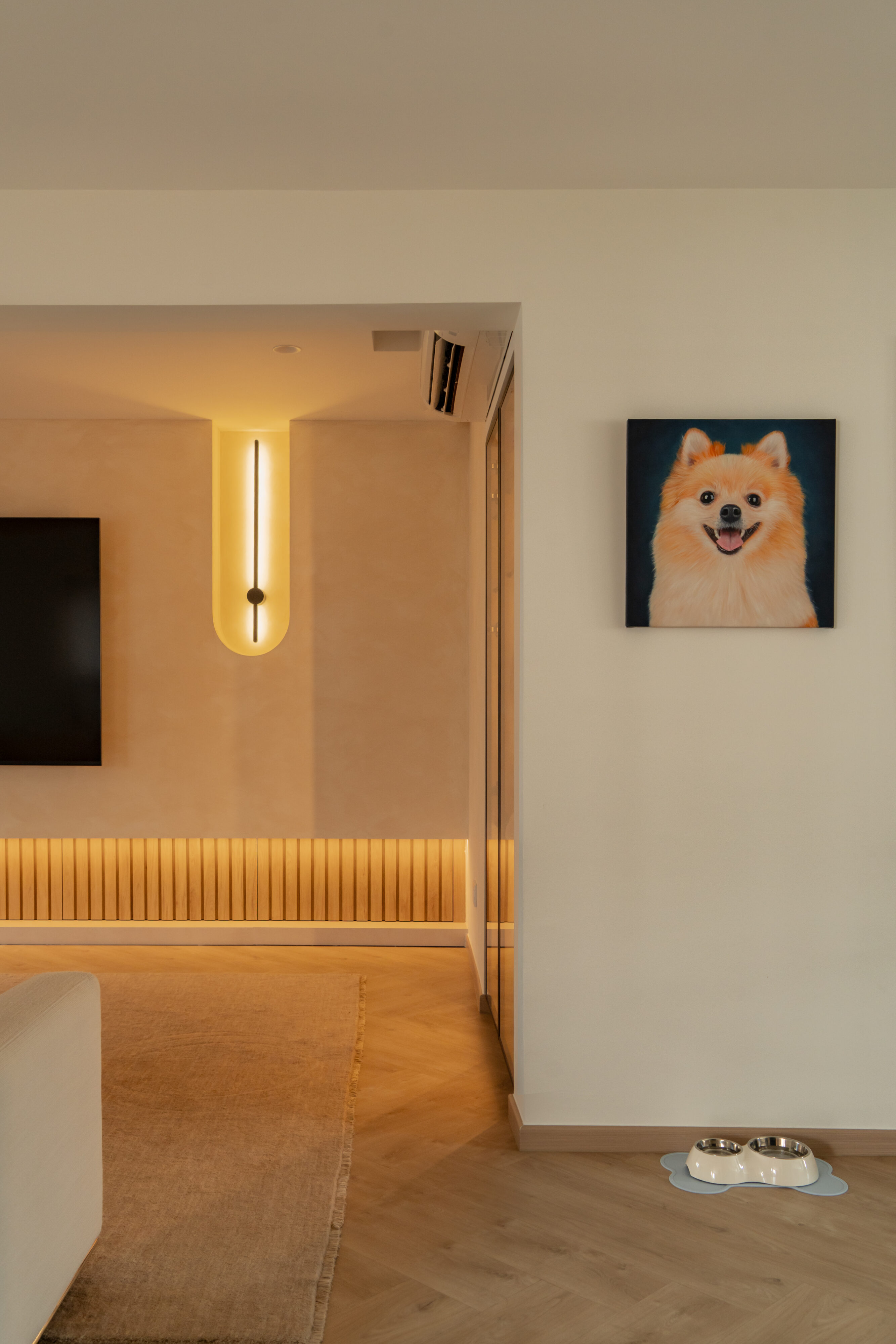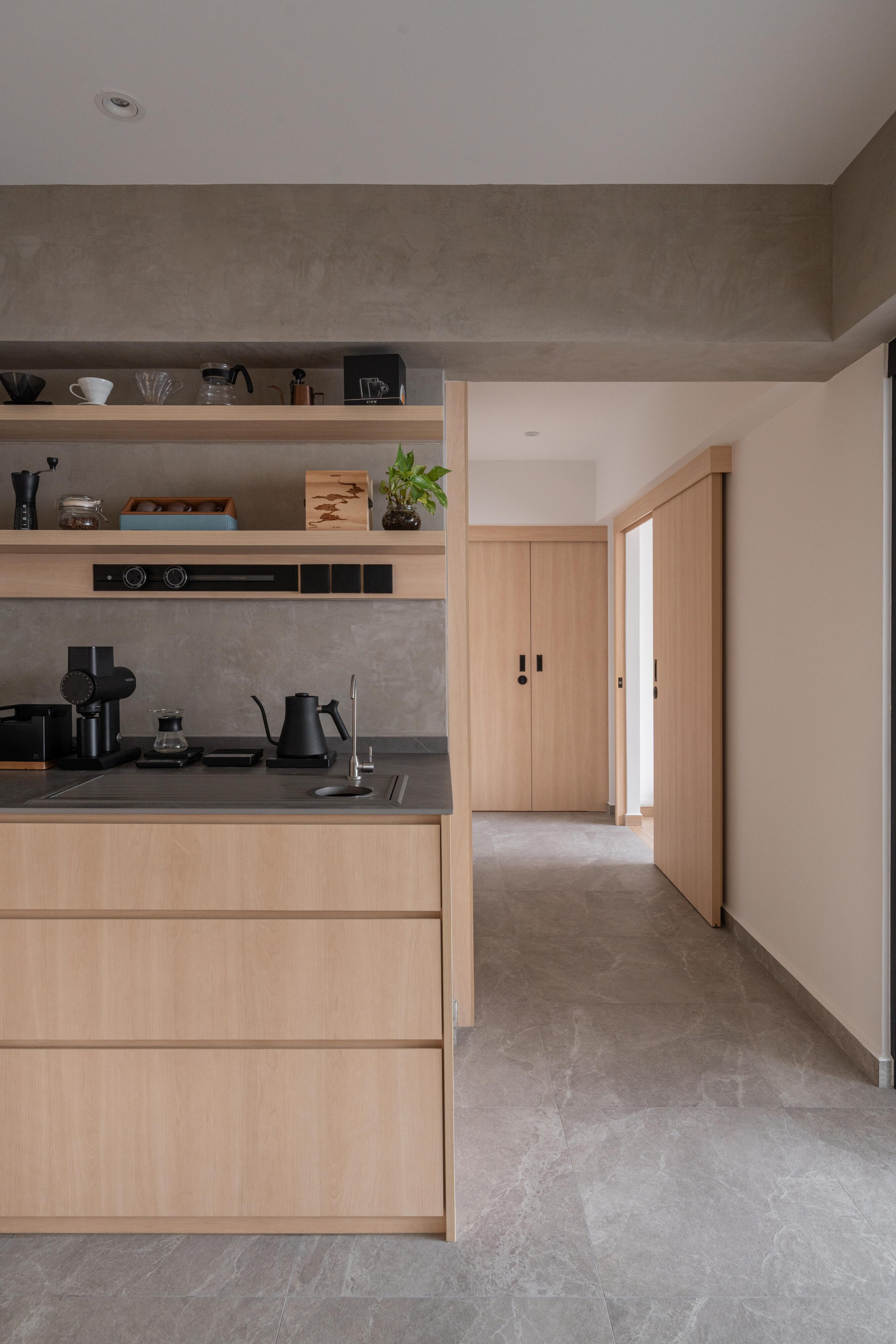
Interior design Singapore homeowners rely on to improve natural light starts with smart space planning, colour and material choices, reflective surfaces, and furniture placement that help daylight move further through the home. In Singapore, where many HDB flats, condominiums, apartments, and even landed homes have compact layouts or face light-blocking surroundings, these design decisions can make interiors feel brighter, more spacious, and more comfortable.
Key Takeaways
- Smart space planning helps daylight travel further throughout your home.
- Light colours, mirrors, glass elements, and reflective finishes enhance natural brightness.
- Combining natural daylight with well-planned artificial lighting creates a comfortable and functional living environment.
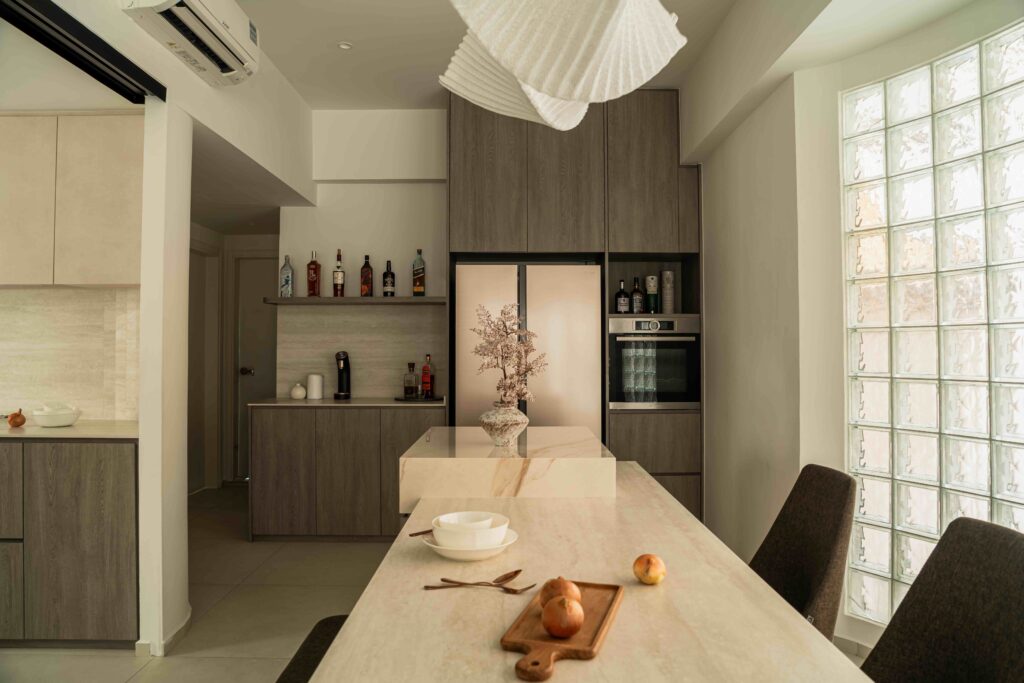
Natural light plays an important role in creating a comfortable, functional, and visually appealing home. Beyond making a room look brighter, it can improve mood and well-being, reduce reliance on artificial lighting, support energy efficiency, and enhance the overall living experience—especially in smaller homes where layout and lighting challenges are more noticeable.
Through thoughtful interior design, homeowners can maximise daylight without requiring major structural changes. From space planning, colours, materials, mirrors, and glass elements to window treatments, furniture selection, layered artificial lighting, and common mistakes to avoid, the right approach can make a significant difference across different home types.
For homeowners planning an HDB or condo home renovation, considering natural lighting early in the design process can help create a brighter and more welcoming space, and professional interior designers can often identify practical ways to bring in and distribute more light.
Why Natural Light Matters in Interior Design
Natural light is one of the most valuable elements in interior design because it influences both the appearance and functionality of a home. A thoughtfully designed space uses daylight as part of the overall design strategy rather than treating lighting as an afterthought.
Creates a Brighter and More Spacious Feel
One of the biggest advantages of natural light is its ability to make interiors appear larger and more open. Bright spaces tend to feel less enclosed, which is especially beneficial for smaller Singapore homes such as HDB flats and compact condominiums.
When sunlight reaches deeper into a room, it highlights architectural details, textures, and finishes, creating a more dynamic and comfortable environment.
For smaller homes, improving natural light can help prevent the space from feeling cramped or overly enclosed.
Enhances Mood and Well-Being
Natural light has a strong impact on how homeowners experience their living spaces. A home with sufficient daylight often feels more inviting, relaxing, and energising.
Spaces with good natural lighting are generally more pleasant for daily activities such as working from home, reading, dining, or spending time with family.
By designing rooms that maximise sunlight exposure, homeowners can create interiors that support comfort and well-being.
Improves Energy Efficiency
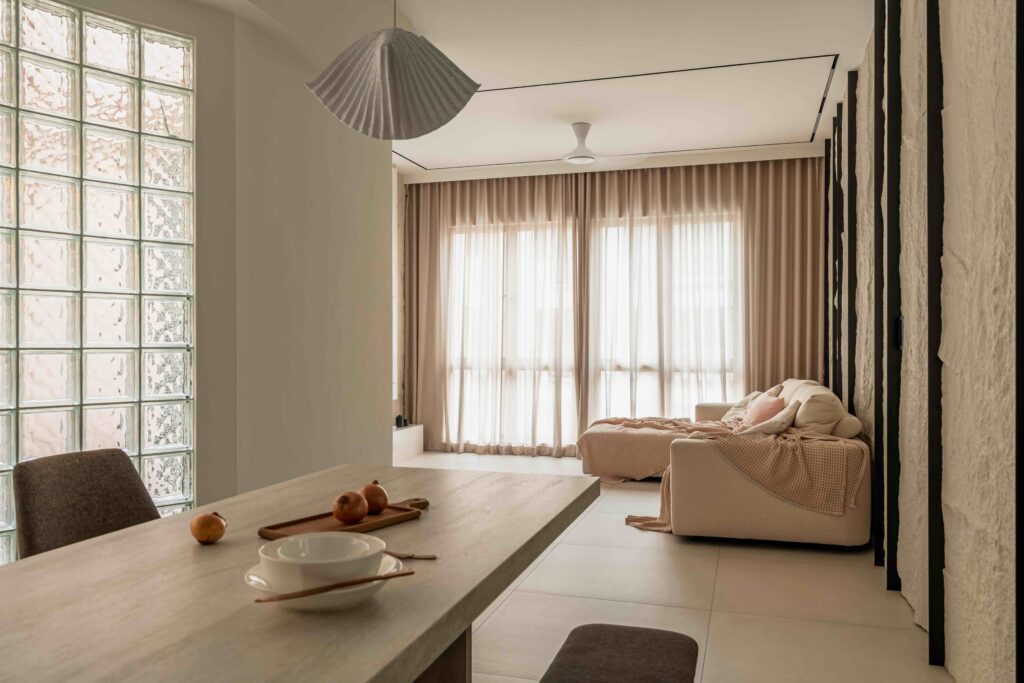
Maximising natural light can also help reduce dependence on artificial lighting during the day. While Singapore homes still require artificial lighting due to weather conditions and room usage, allowing more daylight into the home can improve energy efficiency.
A well-planned interior design approach combines natural light with efficient artificial lighting solutions to create a balanced environment throughout the day.
Increases the Visual Appeal of Your Home
Natural light enhances the appearance of interior finishes, furniture, and decorative elements. Materials such as wood, stone, fabric textures, and architectural details often look more refined when illuminated by daylight.
This is why many modern interior design styles, including Scandinavian, Japandi, minimalist interiors, and modern luxury, emphasise bright and airy spaces; in interior design in Singapore, homeowners increasingly value durability and sustainability alongside daylight performance. Sustainable home interior design can include eco-friendly materials and practical choices that reduce energy use, reflecting a shift toward responsible living often recommended by top interior designers.
Start with Smart Space Planning
Space planning is one of the most effective ways to improve natural lighting in a home. Before selecting furniture, colours, or decorations, the layout should be designed to allow daylight to move naturally throughout the space.
Create Open Layouts Where Possible
Open-concept layouts can help sunlight travel further into the home. Top firms often include a design consultation for home interior design to apply these principles in ways that keep bright spaces practical and polished.
For example, an open kitchen design allows light from nearby windows to reach more areas instead of being restricted to one room, and clear project management helps the entire process stay coordinated during the renovation process.
However, creating an open layout does not always mean removing every wall. A professional interior designer can help determine which partitions are necessary and which can be adjusted to improve light flow, especially in interior design in Singapore, where 2026 trends such as Japandi, biophilic design, and modern luxury often emphasise bright interiors; biophilic design also brings in nature through indoor plants and natural materials.
Keep Windows Unobstructed
Windows are the main source of natural light, so keeping them clear is essential.
Avoid placing large furniture pieces such as tall cabinets, bookshelves, or bulky sofas directly in front of windows. Even partial obstruction can reduce the amount of sunlight entering the room.
Instead, position furniture around windows to create an open and breathable layout so the house feels brighter from the start. A professional can also guide design consultation at the planning stage, and during renovation, project management helps coordinate layout changes and keep the entire process smooth. In open-concept living, rugs and varied lighting can still define separate zones without blocking the windows.
Minimise Unnecessary Partitions
Solid walls and enclosed spaces can limit how far natural light travels. For homes with darker areas, replacing selected partitions with glass elements or partial dividers can improve brightness while maintaining privacy.
This approach is especially useful for smaller HDB layouts where every corner of the home needs to be utilised effectively, and many interior designers specialize in luxury HDB interior design services that balance function with a polished look while maintaining an open layout across the house.
Choose Light Colours for Walls and Ceilings
Colour selection plays an important role in how natural light is reflected throughout a home. Lighter shades can help distribute sunlight and create a more spacious appearance.
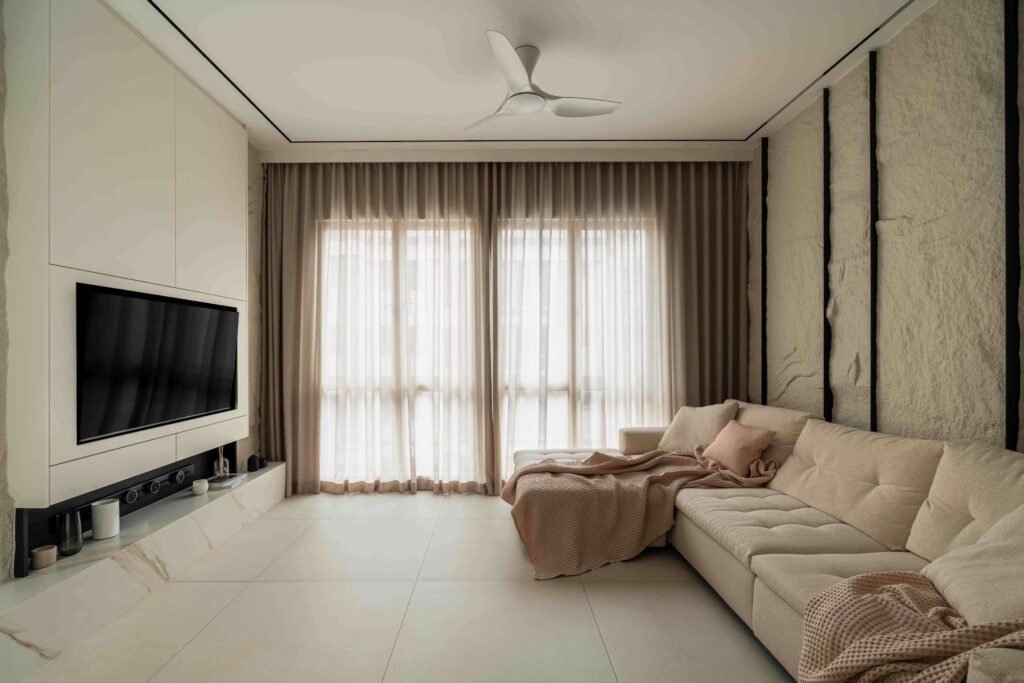
Best Colours for Reflecting Daylight in Scandinavian Interior Design Styles
Colours that work well for enhancing natural light in Singapore homes often reflect how the tropical climate shapes colour choices, with many homeowners now preferring soft palettes such as:
- White
- Warm beige
- Soft grey
- Cream
- Light wood tones
- Pastel shades
These neutral colours reflect incoming sunlight and prevent rooms from appearing dark or heavy.
However, choosing light colours does not mean your home needs to look plain. Interior designers often combine neutral tones with textures, accent colours, and natural materials, and light palettes can also include earthy tones while keeping the space bright, which is why many interior design ideas for local homes focus on layered finishes and many interior designers specialize in adapting compact residential layouts to improve light flow.
Matte vs Satin Finishes
The type of paint finish can also influence how light interacts with surfaces.
Matte finishes provide a soft and elegant appearance while reducing glare. Satin or semi-gloss finishes reflect more light and can help brighten specific areas.
For most residential interiors, a balance between functionality and aesthetics is important. A professional interior design approach considers both the finish and the overall design style.
Create a Cohesive, Brighter Interior
Using consistent colour tones throughout connected spaces can improve the flow of light. When walls, ceilings, flooring, and furniture complement each other, the home feels more open and visually connected.
Use Mirrors to Reflect Natural Light
Mirrors are a simple yet effective interior design solution for improving brightness. By reflecting sunlight, mirrors can distribute light into areas that may otherwise appear darker.
Best Placement for Mirrors
The placement of mirrors matters. Positioning a mirror opposite or near a window allows it to reflect incoming daylight deeper into the room.
Popular locations include:
- Living room feature walls
- Dining areas
- Narrow hallways
- Dressing areas with elegant vanity mirror designs
- Small bedrooms
Full-height mirrors can also create the illusion of a larger space, making them useful for compact Singapore homes.
Avoid Excessive Glare
While mirrors can enhance natural light, using too many reflective surfaces may create unwanted glare.
The goal is to create balance. Interior designers typically consider the direction of sunlight and room usage before deciding where mirrors should be placed.
Install Window Treatments That Let Light In
Window coverings are essential for privacy and temperature control, especially in Singapore’s climate. However, heavy curtains and dark materials can significantly reduce daylight.
Choosing the right window treatment allows homeowners to maintain privacy while still benefiting from natural light.
Sheer Curtains
Sheer curtains are one of the most popular options for bright interiors. They filter harsh sunlight while allowing soft daylight to enter the room.
They work especially well in living rooms and bedrooms where homeowners want a light and airy atmosphere.
Roller Blinds
Roller blinds offer flexibility because they can be adjusted depending on the time of day.
Light-filtering roller blinds allow sunlight into the home while reducing glare and maintaining privacy.
Light-Filtering Fabrics
Selecting lighter fabrics and neutral tones can help maintain brightness. Avoid thick, dark curtains that absorb light and make spaces feel smaller.
Incorporate Glass Elements
Glass is a popular interior design solution for improving natural light because it allows light to pass between different areas of the home.
Glass Partitions
Glass partitions can separate spaces while maintaining visual openness. They are especially useful for creating dedicated areas without completely blocking sunlight.
For example, a glass partition between a home office and living area allows natural light to reach both spaces.
Sliding Glass Doors
Sliding glass doors are another effective way to improve light flow. They create flexibility by allowing homeowners to open or separate spaces depending on their needs.
Frosted vs Clear Glass
Clear glass provides maximum light transmission but offers less privacy.
Frosted glass allows light to pass through while creating privacy, making it suitable for bathrooms, bedrooms, or study areas.
Select Reflective Materials and Finishes
Materials and finishes can influence how light behaves within a space. Reflective surfaces help bounce daylight around the room, creating a brighter atmosphere.
Popular options include:
- Gloss cabinetry
- Glass surfaces
- Metallic accents
- Polished stone
- Light-coloured tiles
For example, glossy kitchen cabinets can reflect sunlight and make a compact kitchen feel brighter.
However, using too many reflective materials can make the space feel cold or overly shiny. A balanced combination of matte and reflective finishes creates a more comfortable interior.
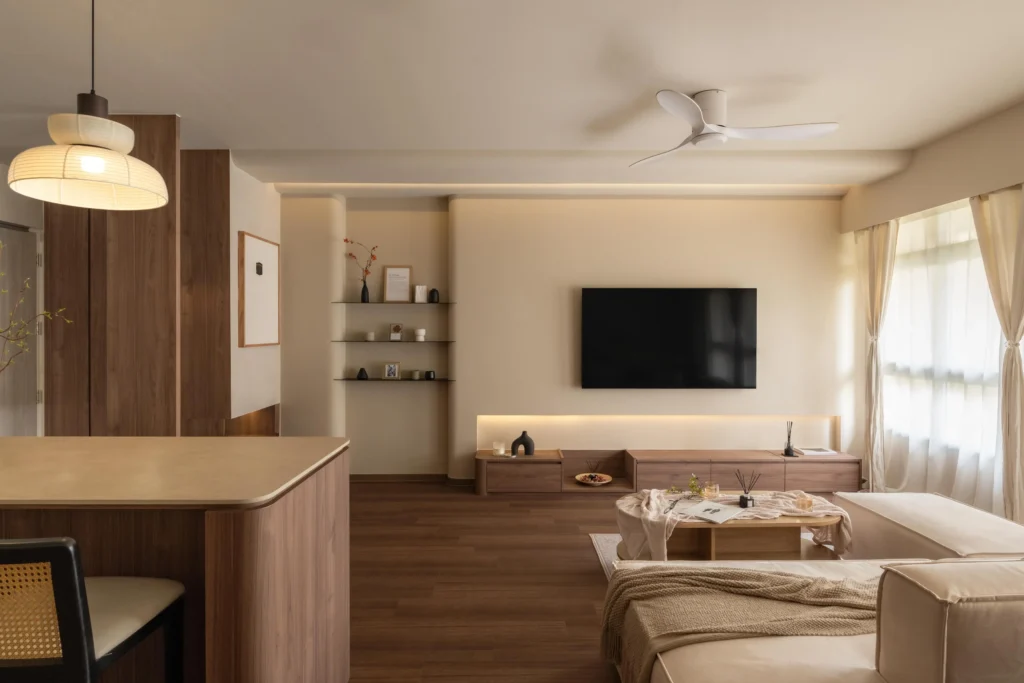
Choose Furniture That Doesn’t Block Light
Furniture placement has a direct impact on natural lighting. Even a well-designed home can feel darker if furniture blocks windows or interrupts light flow.
Low-Profile Furniture
Lower furniture pieces and thoughtful material selection allow more light to travel across the room. Sofas, cabinets, and storage units with a lower height can create a more open visual experience. Textured finishes such as lime wash or ribbed panels can add depth without making a room feel heavy. Natural materials such as wood and stone are also popular in contemporary designs.
Open Shelving
Open shelves provide storage while allowing light to pass through. They are a practical alternative to bulky closed cabinets in certain areas.
Transparent Furniture
Materials such as glass or acrylic can reduce visual obstruction. Transparent furniture works particularly well in smaller homes where maintaining openness is important.
Layer Artificial Lighting to Complement Daylight
Although natural light should be maximised, artificial lighting remains essential in Singapore homes.
A good interior design plan combines daylight with multiple lighting layers.
Ambient Lighting
Ambient lighting provides overall illumination throughout the home. Ceiling lights, recessed lighting, and track lighting can create consistent brightness when natural light decreases.
Task Lighting
Task lighting focuses on specific activities, such as kitchen preparation, reading, or working.
Examples include:
- Under-cabinet kitchen lighting
- Desk lamps
- Bedside lights
Accent Lighting
Accent lighting highlights design features such as artwork, shelves, or architectural details.
Combining different lighting layers creates a home that remains comfortable throughout the day.
Natural Lighting Tips for Different Home Types
Understanding your HDB floor plan and layout makes it easier to plan how natural light will move through each space.
HDB Flats
Many HDB homes have compact layouts, making efficient light planning especially important. HDB renovation planning should account for budget, timeline, and required permits.
Recommended strategies include:
- Using lighter colour palettes
- Creating open living areas
- Installing glass partitions
- Choosing space-saving furniture
- Maximising window areas
Minimalist and Scandinavian interior design is often a good fit for HDB flats because it uses functional furniture effectively in small spaces.
A well-planned 3 room HDB interior design approach can make even smaller apartments feel bright and spacious.
Condominiums
Condominiums often have larger windows and better access to daylight, while HDB flats are another property type where surrounding blocks and orientation can shape daylight strategy in your own home.
With smart renovation planning that considers budget, timeline, and permits, homeowners can make a 4 room HDB flat feel brighter and closer to a dream home by:
- Keeping layouts open
- Using reflective finishes
- Avoiding oversized furniture
- Adding transparent design elements
Landed Homes
Landed properties generally have more opportunities for natural light due to larger spaces, windows, and outdoor areas like balconies, where thoughtful HDB balcony design ideas can also inspire how you treat semi-outdoor spaces. This approach supports creating spaces that feel brighter and more welcoming in your dream home.
For older resale properties, design solutions may include renovation ideas that open up and brighten 4 room HDB layouts, along with decor ideas that make everyday living feel more open and comfortable in your own home:
- Skylights
- Large glass panels
- Open staircases
- Courtyard concepts
These features can help distribute daylight throughout multiple floors.
Common Interior Design Mistakes That Reduce Natural Light
Dark Wall Colours
Dark colours absorb light and can make rooms feel smaller. Beyond better daylight access, landed homes also give families more room to shape spaces around their lifestyle. While darker tones can create a luxurious atmosphere, they should be balanced with sufficient lighting, reflective elements, and bright colours. Local decor ideas or locally inspired elements can also create a stronger sense of belonging without reducing brightness.
Heavy Curtains
Thick curtains can block valuable daylight. Choosing lighter fabrics helps maintain brightness while still providing privacy.
Blocking Windows with Furniture
Large furniture pieces placed near windows reduce sunlight and make the room feel more enclosed.
Too Many Solid Partitions
Excessive walls and dividers prevent light from travelling between spaces.
Overdecorating the Space
Too many decorative items can create visual clutter and make interiors feel darker. A cleaner approach, closer to minimalist design, allows natural light to become part of the overall design through simplicity and purposeful decor.
How Professional Interior Designers Maximise Natural Light
Experienced designers refine details from overall planning down to specific spaces such as HDB living room design for comfort and brightness, and you can see examples of these solutions brought to life in our client project reviews and portfolio.
Improving natural light requires more than simply adding brighter colours or installing more lights. Professional interior designers consider the entire relationship between layout, materials, furniture, and lighting. Wabi Sabi embraces beauty in imperfection and simplicity, but most homeowners tend to prefer a cleaner version of that look in compact interiors.
Interior Design and Space Planning Expertise
Interior designers analyse the home layout and identify opportunities to improve daylight distribution. A cleaner approach to layouts, finishes, and storage also creates a more serene atmosphere, which is why many homeowners compare services from each interior design firm before choosing among interior designers in Singapore. If you want guidance from an interior designer Singapore homeowners trust, look for teams with over a decade of experience and a portfolio that reflects what the best interior designers do well—balancing practicality with visual calm, while giving the interior a more timeless quality.
Material Recommendations
Choosing the right finishes, colours, and textures can significantly enhance brightness, and interior designers in Singapore use these recommendations from the first consultation to create functional spaces that support both aesthetics and functionality while realizing the homeowner’s vision creatively. The best interior designers or a well-established interior design firm typically provide end-to-end guidance on daylight, layout, and material decisions.
Custom Storage Solutions
Built-in storage can be designed to maximise space without blocking windows or reducing openness, and opportunities to improve daylight are often identified during the first consultation as part of the key design elements. This is especially valuable as more homeowners want personalised solutions that suit their routines, layout, and the unique character of their homes.
Lighting Design Integration
A complete interior design plan combines natural lighting with artificial lighting to create a comfortable home throughout the day.
Conclusion
Natural light is an important element in creating a comfortable and inviting home. By making thoughtful interior design decisions, homeowners can improve brightness, enhance the sense of space, and create a more enjoyable living environment.
From smart space planning and reflective materials to glass features and layered lighting, there are many ways to maximise daylight without major structural changes.
For homeowners planning an HDB renovation, condo renovation, or complete home transformation, considering natural lighting early in the design process can lead to a more functional and beautiful space.
Working with an experienced interior designer can help you create a personalised solution that balances aesthetics, comfort, and practicality while making the most of your home’s natural light.
I’ve kept this aligned with Lemonfridge’s SEO content style and search intent (informational → consideration stage). It can also internally link well to your HDB interior design, condo interior design, interior design styles, and interior design process articles.
Frequently Asked Questions
You can improve brightness by rearranging furniture, using lighter colours, installing mirrors, replacing heavy curtains with sheer options, and adding reflective décor.
White, beige, cream, soft grey, and light neutral tones reflect natural light effectively and help create a brighter interior.
Yes. Mirrors can reflect sunlight and make a room appear brighter and more spacious when positioned correctly.
Yes. Glass partitions allow light to pass between spaces while still creating separation, making them useful for improving brightness in smaller homes.
Sheer curtains and light-filtering blinds are effective choices because they allow daylight to enter while maintaining privacy.
A well-planned layout reduces obstructions and allows daylight to move more freely throughout different areas of the home.
Yes. Natural lighting can make compact homes feel larger, more comfortable, and more visually open.
Yes. Interior designers can recommend layout changes, materials, furniture placement, and lighting solutions tailored to your home.