

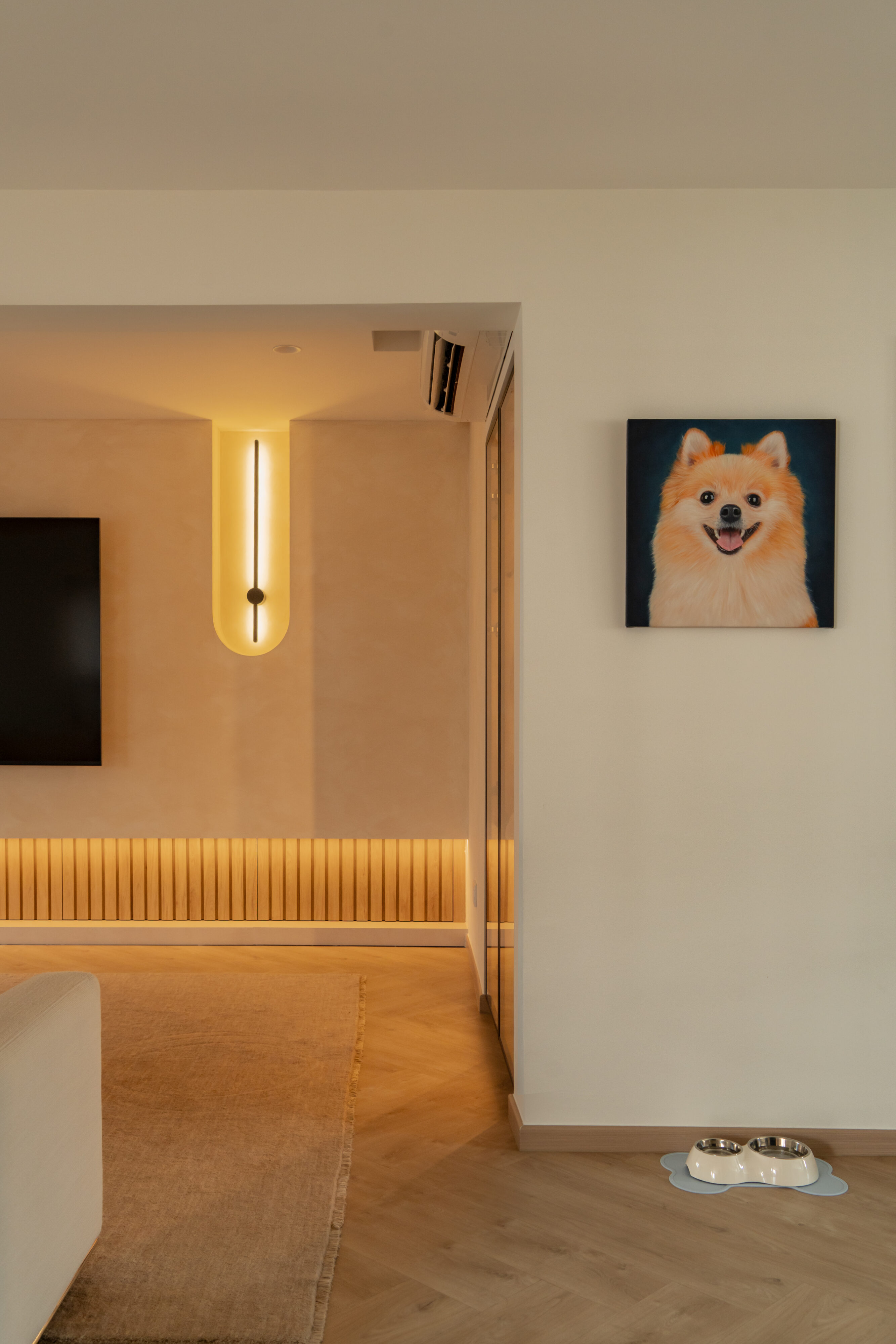
- Smart climate control can automate air conditioning, fans and temperature settings to keep Singapore homes comfortable without constantly adjusting the controls.
- Planning smart air conditioning automation during renovation makes it easier to integrate climate control with lighting, sensors, schedules and other smart home systems.
- The right setup can improve comfort and energy efficiency while giving HDB, condo and landed homeowners a more seamless, future-ready home.
Singapore homes have to deal with a unique combination of high temperatures, humidity and year-round tropical weather. Turning on the air conditioner may provide immediate relief, but keeping every room comfortable throughout the day can mean higher electricity bills and plenty of manual adjustments.
This is where smart climate control can make a difference.
Rather than simply adding more smart devices, homeowners can design their air conditioning and ventilation around how they actually use their home. With the right planning, a smart home system can automate temperature settings, coordinate air conditioning with occupancy, and create schedules that suit daily routines.
For homeowners renovating a resale HDB flat, BTO, condo or landed property, smart air conditioning automation in Singapore is worth considering from the beginning of the renovation.
Why Singapore Homes Need Smarter Climate Control
Singapore’s climate means that indoor comfort is not just about temperature. Humidity also affects how a space feels.
A room can be relatively cool but still feel uncomfortable when humidity is high. At the same time, leaving air conditioning running unnecessarily can increase energy consumption, particularly when rooms are unoccupied.
A smart climate system can help homeowners manage both comfort and usage more intelligently.
For example, instead of manually turning on the air conditioner every evening, homeowners can create a schedule that prepares the bedroom before bedtime. Sensors can also help identify whether spaces are occupied, while smart controls allow homeowners to adjust settings remotely.
This is particularly useful in larger homes where different rooms may have very different usage patterns.
Smart Air Conditioning Automation for Everyday Living
One of the most practical applications of a smart home system is air conditioning automation.
Depending on the system installed, homeowners can create different climate settings for different parts of the day. This type of automation is more useful when homeowners can interact with the system in more than one way, not just through an app. A user friendly setup can also respond to voice commands through Google Assistant and smart speakers.
Morning
The system can automatically switch off overnight cooling or adjust the temperature as the household wakes up. In a home office, the air conditioner can be scheduled to turn on shortly before work begins.
Afternoon
Singapore afternoons can be particularly warm. If nobody is home, there is little reason to cool every room continuously. Smart schedules can reduce unnecessary operation while allowing frequently used areas to remain comfortable.
Evening
The system can prepare living spaces before the family returns home. Instead of arriving to a warm apartment and waiting for the air conditioner to cool the room, cooling can be scheduled around the household’s routine.
Night
Bedrooms can have their own temperature schedules. For example, the system can maintain a comfortable temperature during the first few hours of sleep before gradually adjusting the settings later in the night.
This type of automation is more useful than simply having an app that lets you turn the air conditioner on and off.
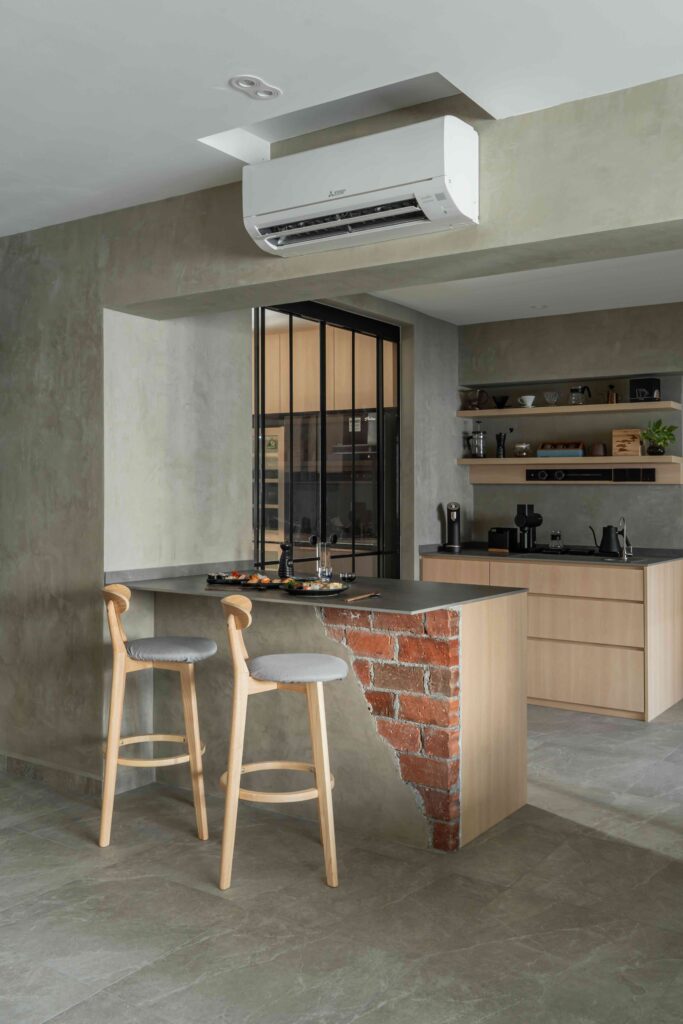
Connect Climate Control With the Rest of Your Smart Home
The biggest advantage of planning smart climate control during renovation is the ability to integrate it with other systems.
For example, homeowners can connect climate control with a motion sensor, light controls, cameras and other smart devices to create a more coordinated home environment.
A “leaving home” scene could switch off unnecessary lights, adjust the air conditioning and activate security settings at the same time. Connected security devices can send alerts for smoke, water leaks, or unauthorized entry, helping keep the house secure.
Similarly, a “good night” scene could lock the smart door lock, turn off selected lights and appliances, close motorised curtains and set the bedrooms to a preferred temperature. These routines can also be triggered by voice commands through Siri, google assistant and Alexa, including on smart speakers.
This creates a home that responds to routines instead of requiring homeowners to control every device individually. Looking at different interior styles and project examples can also help homeowners see how smart features fit into real-world spaces. Some smart home products use Zigbee, which supports battery-operated devices and more flexible sensor placement.
Plan Smart Climate Control With Interior Designers During Renovation
For HDB upgraders and resale flat owners undertaking a full renovation, one of the most important considerations is to determine the scope of the project and plan the renovation timeline and permits before renovation work begins, especially if they have specific requirements for integration.
Retrofitting smart devices after the renovation may limit where sensors, controllers and wiring can be installed. It can also result in visible cables or additional devices that do not fit the home’s design. Some smart home products can be installed in under 30 minutes, but a professional pre-renovation plan usually gives a cleaner result for fixed controls and integrated systems. As a general guide, homeowners should engage designers 3-6 months before renovations.
Early planning helps avoid hidden costs and last-minute changes that clients may otherwise have to pay for. Planning early allows the renovation team to consider overall space planning as well as specific zones such as kitchen design and layout requirements:
- Air conditioning control points
- Electrical and data requirements
- Sensor locations
- Wi-Fi and network coverage
- Smart switches and lighting controls
- Curtain automation
- Smart locks and security systems
- Access to maintenance points
- Integration between different smart home systems
This is especially important for homeowners who want technology to remain relatively invisible, aligning well with warm minimalist interior design principles.
Smart Climate Control for Different Singapore Homes
HDB Upgraders
For resale HDB owners aged 30 to 45, the renovation is an opportunity to build the smart home properly from day one. Climate automation can be integrated alongside lighting, security and other systems instead of being added later.
The focus should be on practical automation that improves daily comfort without unnecessary gadgets. With HDB renovation costs often ranging from S$25,000 to S$80,000 and kitchen renovation often taking a significant share of that budget, affordable and practical automation choices usually make the most sense.
BTO First-Timers
For younger couples with tighter renovation budgets, smart climate control does not have to mean automating every room. Start with high-use areas such as the bedroom and living room, then build towards a larger system over time.
Choosing an expandable system can help avoid replacing equipment when the household eventually wants more automation.
Condo Owners
Condo homeowners may be more interested in a seamless ecosystem where climate, lighting, curtains and security work together. With a higher renovation budget, they can consider more comprehensive automation while keeping the technology visually discreet. Condo renovation projects commonly fall between $40,000 and $150,000, which can make wider system integration easier to include in the project scope.
Landed and Larger Homes
Larger homes benefit from centralised control because managing multiple rooms manually can become inconvenient. Smart climate automation can help coordinate different zones, schedules and occupancy patterns while supporting energy-conscious usage, especially when combined with functional Scandinavian-inspired interior planning.
Smart Climate Control and Energy Efficiency
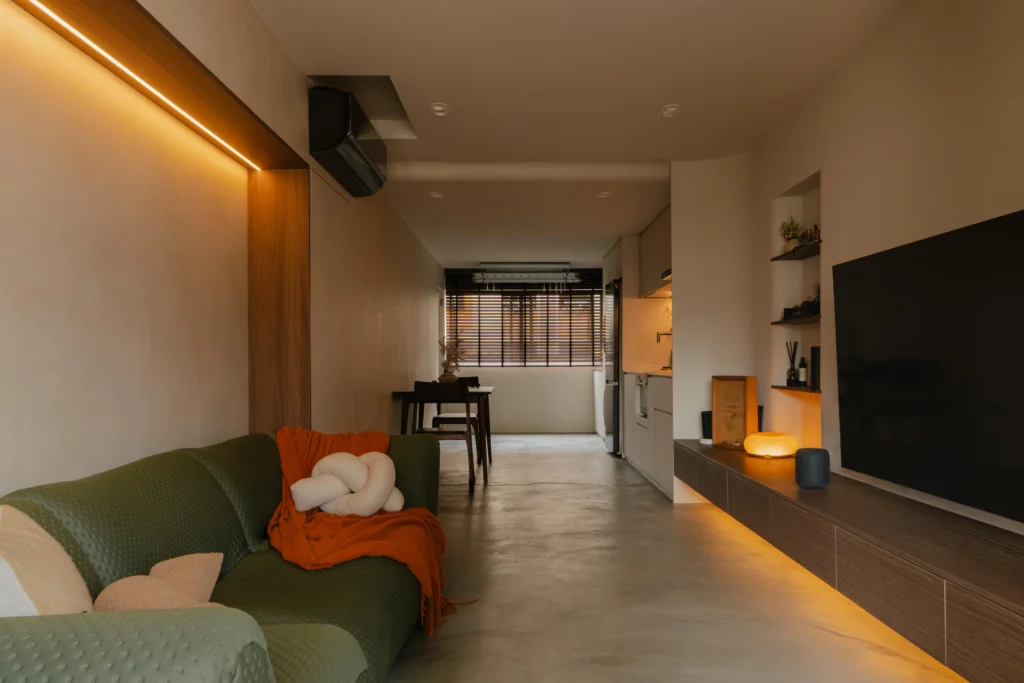
It does not automatically guarantee lower electricity bills, and it can only help save energy when the system is used in a functional way that matches how the household actually lives. Its real value comes from using air conditioning more intelligently and pairing it with light-filled, climate-conscious Scandinavian interiors.
Scheduling prevents systems from running unnecessarily. Occupancy-based automation can reduce cooling in unused areas, while remote access gives homeowners greater control when plans change.
For example, if you are coming home later than expected, you can adjust the schedule instead of cooling the home for several hours while it remains empty.
The goal is not necessarily to keep the home at the lowest possible temperature. It is to create a comfortable environment, with the aim of balancing comfort and function, while avoiding unnecessary cooling.
Don’t Forget Smart Security
Climate control is only one part of a well-planned smart home.
For homeowners already investing in automation, a smart lock can become part of the same ecosystem. A homecoming routine, for example, could combine entry access, lighting and climate settings.
Security can also be managed remotely, giving homeowners greater visibility and control when they are away. Connected cameras and other security devices can help keep the house secure by sending alerts when unusual activity is detected.
When these systems are planned together, smart home technology becomes less about individual gadgets and more about creating a home that works around the people living in it.
Conclusion
Singapore’s heat and humidity make climate control one of the most practical areas for smart home automation. Instead of relying solely on manual air conditioning controls, homeowners can use schedules, sensors and integrated systems to make cooling more responsive to their routines.
For HDB upgraders, BTO homeowners, condo owners and landed properties, the best time to plan this is before renovation starts. Wiring, control points, sensors and system compatibility can be considered alongside the rest of the renovation, creating a cleaner and more reliable result.
Whether the priority is comfort, convenience, energy-conscious cooling or a fully integrated smart home, smart air conditioning automation in Singapore can turn climate control from another daily chore into something that works quietly in the background.
For homeowners planning an integrated smart home renovation, Lemonfridge offers professional smart home services tailored to clients planning renovation services in Singapore, helping bring climate control, smart lighting, security and other home automation systems together as part of the renovation plan.
FAQs
Smart air conditioning automation allows homeowners to control and automate their air conditioning using schedules, sensors, smart controllers or a central smart home system. Some smart home products are designed to be user-friendly and can also work with voice commands through smart speakers. It can adjust cooling based on routines, occupancy and preferred settings.
It can help reduce unnecessary usage by automating schedules, switching off cooling when spaces are not occupied and giving homeowners better control over when air conditioning operates. Actual savings depend on the home’s size, air conditioning system, usage habits and temperature settings.
Yes. Smart climate control can work well in HDB homes, particularly during a renovation when electrical requirements, control points and system integration can be planned in advance. Homeowners can start with key spaces such as bedrooms and living areas.
Depending on the systems used, climate control and a smart lock can be integrated into broader smart home routines. For example, a homecoming or away scene could coordinate door access, lighting and air conditioning.
For a more seamless installation, it is generally better to plan smart home systems during the renovation design stage, when homeowners can determine their system scope and specific requirements to avoid hidden costs later. This allows wiring, switches, sensors, network requirements and equipment locations to be considered before walls, ceilings and cabinetry are completed.


