Choosing an interior designer is one of the biggest decisions you’ll make during your renovation journey. Whether you’re renovating a new BTO flat, resale HDB, condominium, or landed property, the right designer can transform your ideas into a functional and beautiful home while helping you avoid costly mistakes.
With hundreds of interior design firms in Singapore, it can be overwhelming to know where to begin. Attractive portfolios, promotional packages, and social media advertisements may catch your attention, but they don’t always tell the full story.
Key Takeaways
- Choose value over the lowest price. A detailed quotation, transparent process, and proven workmanship often save you more money than choosing the cheapest renovation package.
- Verify credentials and experience. Check the firm’s portfolio, customer reviews, CaseTrust accreditation, and experience with homes similar to yours before making a decision.
- Communication is just as important as design. A responsive and transparent interior designer can make the renovation process significantly smoother and reduce unexpected issues.
Ultimately, the best interior designer isn’t necessarily the most expensive or the most popular. Instead, it’s the one who understands your lifestyle, communicates clearly, manages your budget responsibly, and delivers quality workmanship.
This guide walks you through everything you need to know before hiring an interior designer in Singapore, including the questions you should ask, common red flags, how to compare quotations fairly, and what credentials to look for.
Why Choosing the Right Interior Designer Matters
A home renovation is a significant financial investment. Depending on the scope of work, renovation costs in Singapore can range from tens of thousands to well over a hundred thousand dollars. That’s why choosing the right interior designer is crucial—not only to maximise your budget but also to ensure quality workmanship, a smooth renovation process, and a home that meets your expectations.
Beyond the financial commitment, you’ll also be trusting someone to manage contractors, oversee construction, coordinate timelines, recommend materials, and bring your vision to life.
Choosing the wrong interior designer may result in:
- Budget overruns
- Delayed completion
- Poor workmanship
- Hidden costs
- Miscommunication
- Design compromises
- Stress throughout the renovation process
On the other hand, an experienced interior designer helps streamline the renovation, anticipates potential issues before they happen, and ensures every detail aligns with your lifestyle and long-term needs.
What Does an Interior Designer Actually Do?
Many homeowners assume an interior designer simply selects colours and furniture. In reality, their role extends far beyond aesthetics.
A professional interior designer typically helps with:
- Understanding your lifestyle and design preferences
- Space planning and layout optimisation
- Custom carpentry design
- Material selection
- Lighting recommendations
- Colour coordination
- Budget planning
- Project management
- Coordinating subcontractors
- Site inspections
- Quality control
- Handover inspections
Instead of managing multiple vendors yourself, your interior designer becomes your single point of contact throughout the renovation.
Interior Designer vs Contractor: What’s the Difference?
This is one of the most common questions homeowners ask.
An interior designer offers a complete renovation solution. Besides carrying out renovation works, they also develop the design concept, optimise layouts, customise storage solutions, recommend materials, and oversee the project from start to finish.
A contractor, on the other hand, mainly focuses on executing renovation works based on existing plans. If you already have a completed design and know exactly what you want, hiring a contractor may be suitable. However, you’ll usually need to coordinate the project yourself.
If you’re renovating your home for the first time, working with an experienced interior designer often provides greater peace of mind, especially for larger renovations involving carpentry, electrical works, plumbing, flooring, and space planning.
When Should You Hire an Interior Designer?
Ideally, you should begin searching for an interior designer several months before your renovation starts.
This gives you enough time to:
- Meet multiple firms
- Compare quotations
- Review portfolios
- Discuss design concepts
- Finalise layouts
- Confirm materials
- Plan your renovation schedule
Rushing into a decision often leads to overlooking important details.
10 Questions to Ask Before Hiring an Interior Designer
1. Have You Worked on Homes Similar to Mine?
Every property type comes with different requirements.
Ask whether the designer has experience with:
- BTO flats
- Resale HDBs
- Condominiums
- Landed houses
Designing a compact 3-room BTO apartment differs significantly from renovating a landed property.
2. Can I See Your Recent Projects?
Look beyond professionally staged photographs.
Ask to see completed homes that demonstrate:
- Storage solutions
- Kitchen layouts
- Bathroom designs and toilet renovations
- Living room spaces in 4-room HDB flats
- Bedrooms
Pay attention to design consistency and workmanship.
3. What’s Included in the Quotation?
Not every quotation includes the same scope of work.
Clarify whether it includes:
- Carpentry
- Electrical works
- Plumbing
- Painting
- Flooring
- False ceiling
- Lighting installation
- Project management
- Cleaning
- Handover
The more detailed the quotation, the easier it is to compare different firms.
4. How Will You Manage My Project?
Ask who will oversee your renovation.
Will the designer personally supervise the project, or will it be handed over to another project manager?
Clear communication throughout the renovation is essential.
5. How Often Will I Receive Updates?
Some firms provide weekly progress updates, while others communicate only when issues arise.
Ask how they typically share updates:
- Phone calls
- Site meetings
- Progress photos
Regular communication helps avoid misunderstandings.
6. What Happens If Unexpected Costs Arise?
Renovations occasionally uncover hidden issues, especially in older resale homes.
Ask how variation orders are handled and whether additional costs require your approval before work proceeds.
7. What Is Your Estimated Timeline?
Understanding the renovation schedule helps you plan your move.
Discuss:
- Design phase
- Material selection
- Carpentry production
- Installation
- Final touch-ups
- Handover
8. Who Are Your Contractors?
Reliable interior designers typically work with trusted subcontractors they’ve partnered with over many years.
Experienced teams usually produce more consistent workmanship.
9. What Warranty Do You Provide?
Ask about workmanship warranties and what they cover.
Understand:
- Duration
- Coverage
- Claim process
10. Can I Read Customer Reviews?
Independent reviews provide valuable insight into an interior designer’s communication, professionalism, workmanship, and after-sales service. They also help you identify recurring strengths or potential issues, giving you greater confidence before making your decision.
Look for recurring patterns rather than isolated complaints.
Red Flags to Watch Out For
While every renovation comes with challenges, certain warning signs should not be ignored.
Be cautious if a firm:
- Offers prices that seem significantly cheaper than everyone else
- Refuses to provide a detailed quotation
- Pressures you into signing immediately
- Frequently changes project managers
- Has inconsistent communication
- Cannot explain their renovation process clearly
- Avoids discussing warranties
- Has numerous unresolved customer complaints
- Makes unrealistic completion promises
- Cannot provide examples of recent work
A transparent interior designer should be comfortable answering your questions.
How to Compare Interior Designer Quotations
One of the biggest mistakes homeowners make is choosing the cheapest quotation without fully understanding what’s included. Instead, compare quotations carefully to ensure you’re evaluating the scope of work, materials, and overall value—not just the price.
Instead of comparing only the final price, evaluate:
- Scope of work
- Materials specified
- Brand selections
- Number of carpentry items
- Electrical points
- Plumbing works
- Flooring area
- Painting coverage
- Project management fees
- Warranty
- Exclusions
A higher quotation may actually provide better value if it includes more comprehensive work and higher-quality materials, especially for full 4-room HDB renovation and design projects.
Remember that renovation packages can vary significantly between firms.
HDB Licensing
If your renovation involves HDB works, ensure the necessary renovation works are carried out by HDB-approved renovation contractors where required.
Different renovation activities may have different regulatory requirements.
Industry Experience of an Interior Designer Firm
Years of experience alone don’t guarantee quality, but firms with a strong track record often have more refined renovation processes, supplier relationships, and project management systems.
What Renovation Timeline Should You Expect?
Although every project differs, a typical residential renovation generally includes:
- Initial consultation
- Design proposal
- Space planning
- Quotation confirmation
- Material selection
- Renovation works
- Carpentry installation
- Final inspections
- Handover
The exact timeline depends on the property’s condition, renovation scope, and custom carpentry requirements, as well as whether you’re aiming for a modern contemporary interior design or another style.
Avoid firms that promise unusually short completion times without explaining how they’ll achieve them, especially for complex modern luxury interior design projects that require careful detailing and coordination.
Why Interior Designer Portfolio Matters
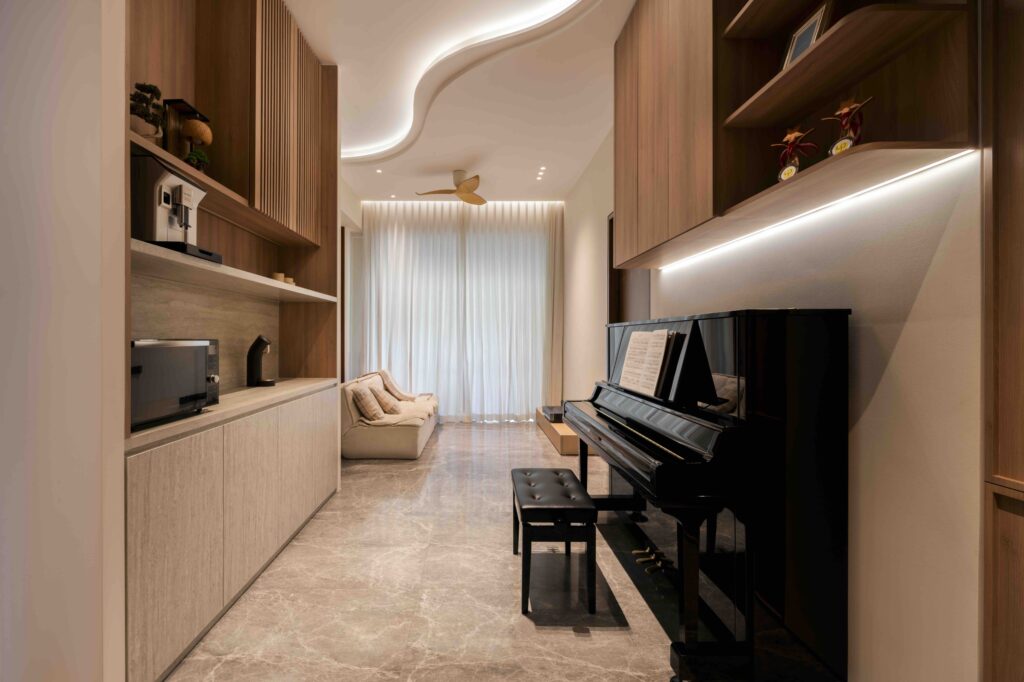
Awards can certainly be impressive, but your home should reflect your lifestyle—not someone else’s trophy cabinet.
When reviewing portfolios from award-winning interior designers in Singapore, ask yourself:
- Do I like their design style? A strong portfolio may cover different types of looks, including 2026 interior design styles like Japandi, Scandinavian, modern colonial, wabi-sabi, or contemporary eclectic approaches.
- Can they adapt to different styles?
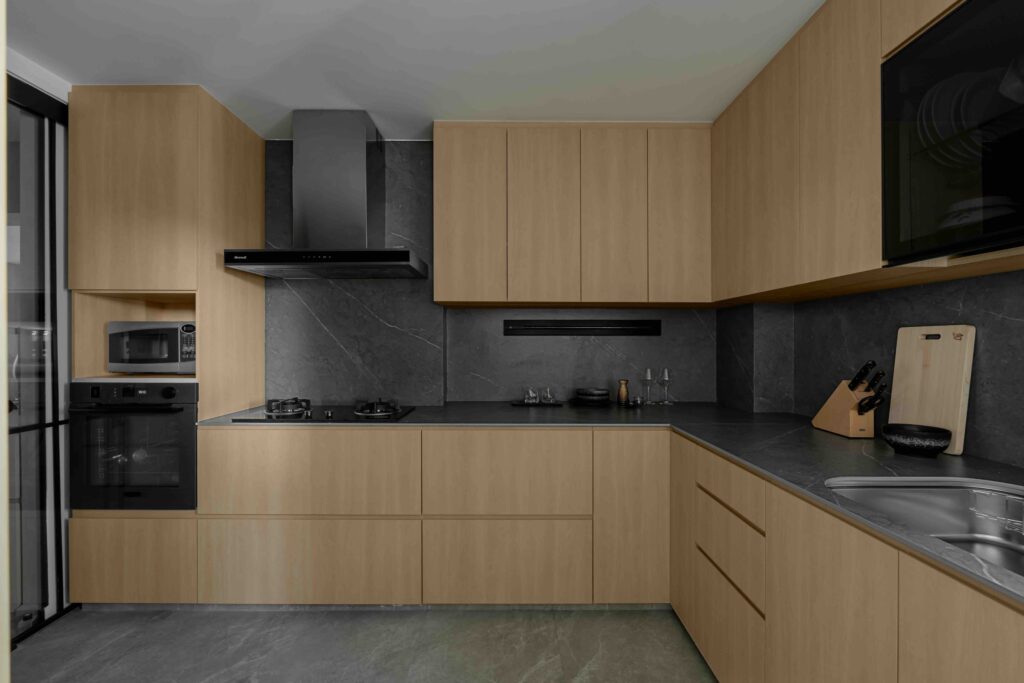
- Are their kitchen designs functional and well-planned?
- Is the storage practical?
- Does the home feel comfortable to live in?
If you do not have a specific style yet, a good designer should be able to propose a few design concepts with clear direction.
A versatile portfolio often indicates a designer who listens to clients rather than repeating the same concept across every project, and that range should still reflect good design through coherent execution instead of copied ideas, which you can often see reflected in detailed interior design reviews.
Reviews Tell the Real Story
Reviews can reveal aspects that portfolios cannot.
Look for comments about:
- Communication
- Responsiveness
- Problem-solving
- Timeline management
- Workmanship
- After-sales service
Pay attention to consistent themes across multiple reviews instead of focusing on one unusually positive or negative comment.
Why Homeowners Choose Lemonfridge
At Lemonfridge, we believe every home should be designed around the people who live in it.
Rather than offering one-size-fits-all renovation packages, we take the time to understand your lifestyle, daily routines, storage needs, and long-term plans before proposing a design solution.
Our process focuses on collaboration, transparency, and practical design. From the initial consultation to project completion, our team works closely with homeowners to create personalised interiors that balance aesthetics, functionality, and budget, ensuring every space reflects their lifestyle and needs.
Whether you’re renovating an HDB flat, condominium, or landed property, our experienced designers guide you through every stage of the home renovation journey—from concept development and space planning to material selection and project management.
By maintaining clear communication and a structured renovation process, we aim to make home renovations less stressful and more rewarding for every client.
Final Checklist Before Signing
Before committing to an interior designer, make sure you’ve completed the following:
- Reviewed multiple quotations
- Compared the scope of work—not just the price
- Viewed recent completed projects
- Read customer reviews
- Confirmed timelines
- Understood warranty coverage
- Clarified payment schedules
- Verified relevant credentials
- Asked all your questions
- Feel confident communicating with the designer
Choosing an interior designer is about more than finding someone with beautiful designs. It’s about selecting a partner who understands your goals, respects your budget, communicates openly, and delivers a home you’ll enjoy for years to come.
Conclusion
Finding the right interior designer in Singapore takes time, but it’s one of the most important decisions you’ll make before starting a renovation. By asking the right questions, comparing quotations carefully, checking credentials, and reviewing past projects, you’ll be in a much stronger position to choose a firm that aligns with your vision and expectations.
At Lemonfridge, we believe successful renovations begin with understanding our clients’ lifestyles and creating practical, personalised spaces that stand the test of time. Whether you’re renovating your first BTO, upgrading a resale HDB, or transforming a condominium, our team is here to guide you through every step of the journey with a clear renovation roadmap for Singapore homes.
Ready to start planning your dream home? Get in touch with Lemonfridge to discuss your renovation goals and discover how thoughtful design can bring your ideas to life
Frequently Asked Questions
It’s generally recommended to meet at least three interior design firms. This allows you to compare design ideas, quotations, communication styles, and overall value before making a decision.
Not necessarily. The lowest quotation may exclude important works, use lower-grade materials, or lead to additional costs later. Compare the scope of work and overall value instead of focusing only on price.
Ideally, begin your search three to six months before your planned renovation. This gives you enough time to review portfolios, compare proposals, finalise designs, and secure your preferred renovation schedule.
An interior designer handles both the creative and project management aspects of your renovation, while a contractor focuses mainly on executing the renovation work according to existing plans.
Look for a designer with relevant experience and expertise, and a firm that is dedicated to your needs, a portfolio that matches your style and understands your preferred style or can propose options if you do not have one yet, transparent communication, detailed quotations, positive customer reviews, and a renovation process that gives you confidence throughout the project, because the right interior designer Singapore should work closely with you to create your dream space around your specific requirements.