Renovation is the process of improving your home so it better suits your lifestyle, works more efficiently, and adds long-term property value. Whether you’ve just purchased a resale flat, are refreshing your condominium, or planning upgrades to your landed home, a well-planned renovation can make all the difference for homeowners in Singapore.
However, home renovation projects in Singapore involve more than choosing finishes and furniture. Budget planning, renovation timelines, contractor coordination, permits, and design decisions all shape the outcome, and getting them right helps you avoid costly mistakes while creating a home that fits both current and future needs. This guide looks at how to plan around your lifestyle and budget, which upgrades usually matter most in kitchens, bathrooms, living rooms, and bedrooms, current renovation trends, common pitfalls to avoid, how to choose the right renovation partner, and where professional project management adds value.
Key Takeaways
- Plan your renovation around your lifestyle and long-term needs, not just current design trends.
- Set a realistic budget with contingency funds to prepare for unexpected expenses.
- Working with an experienced renovation company helps streamline timelines, quality control, and project coordination.
Why Renovation Planning Matters
Many homeowners focus heavily on aesthetics during the early stages of renovation. While visual appeal is important, practical considerations often have a greater impact on daily living. Before finalising the scope, create a room-by-room list for the house so every detail is accounted for and scope creep is less likely.
A successful renovation balances several factors, and early Singapore planning should also cover permits, regulations, and who will handle the renovation works, including:
- Space optimisation
- Storage solutions
- Lighting design
- Material durability
- Family lifestyle
- Future maintenance requirements
For example, an open-concept kitchen may look modern, but families who cook frequently may benefit from a semi-enclosed layout that better manages cooking odours. Likewise, choosing durable flooring may save significantly on maintenance over the years, while plans for lighting, ceilings, and power points should also be reviewed early. Renovations usually fall into four categories: cosmetic, functional, structural, and energy-efficiency improvements. Cosmetic updates such as painting and replacing fixtures often deliver a strong return when the space is otherwise sound.
Taking the time to evaluate how you use your home today—and how your needs may change in the future—helps ensure every renovation decision serves a practical purpose. Research local building codes and secure necessary permits early, since understanding local requirements helps keep the project safe, compliant, and free from avoidable delays, especially for HDB renovations that must follow strict timing and permit rules set by HDB.
Setting a Realistic Renovation Budget and Understanding Renovation Costs
One of the biggest challenges homeowners face is underestimating renovation costs and the expected spending needed to complete the work realistically.
Rather than allocating every dollar to visible finishes, it’s wise to prioritise structural work, electrical upgrades, plumbing, waterproofing, and quality workmanship first. Essential repairs and kitchen or bathroom upgrades usually deliver better returns than purely decorative home renovation cost choices, and decorative elements can always be added gradually over time.
A practical renovation budget should also include contingency funds for unforeseen issues such as hidden pipe damage, uneven flooring, or additional electrical work that only becomes apparent during construction. Homeowners should track all expenses during the project to avoid overspending and keep cash flow under control, and a structured Singapore renovation roadmap for costs and comfort can help benchmark budgets and priorities.
Investing in quality materials and skilled workmanship often proves more cost-effective than repeatedly repairing poorly completed work, and carpentry is often one of the largest cost items, typically accounting for 25–40% of costs. Near the end of planning, homeowners may use savings, personal loans, or a renovation loan to fund the work; these options can help recover money pressure, with such financing typically capped at $30,000 or 6X monthly income, while the more flexible option can be used for any purpose, including renovations, especially when paired with a comprehensive home renovation planning guide that keeps scope and spending aligned.

Choosing the Right Renovation Partner
The renovation company you choose will directly influence your overall experience.
Beyond comparing quotations, compare multiple renovation contractors rather than relying on a single price, and do not choose based only on the cheapest quote. You can use a renovation platform to compare options, then request itemised quotations and read the fine print carefully before you hire anyone, and consider shortlisting an award-winning interior design company in Singapore that can oversee both design and renovation works.
Check recent reviews on at least two independent platforms and browse portfolios before shortlisting firms, paying attention to diverse Lemonfridge interior design reviews and projects that show how firms handle different styles and home types.
An experienced renovation team should be able to:
- Understand your design goals
- Recommend practical solutions
- Explain renovation processes clearly
- Coordinate multiple trades efficiently
- Keep you updated throughout the project
If you are considering interior designers or other designers, interview shortlisted providers and verify their licenses and insurance before making a decision.
Good communication is especially important. Regular progress updates and realistic timelines help homeowners stay informed while reducing unnecessary uncertainty during construction. Contracts should also clearly state payment stages and dispute-resolution terms.
For HDB flats, work only with HDB-licensed contractors, and permit submissions must go through registered contractors.
Popular Renovation Priorities in Singapore Homes
Every home is unique, but several renovation upgrades remain consistently popular among Singapore homeowners.
Kitchen Renovations
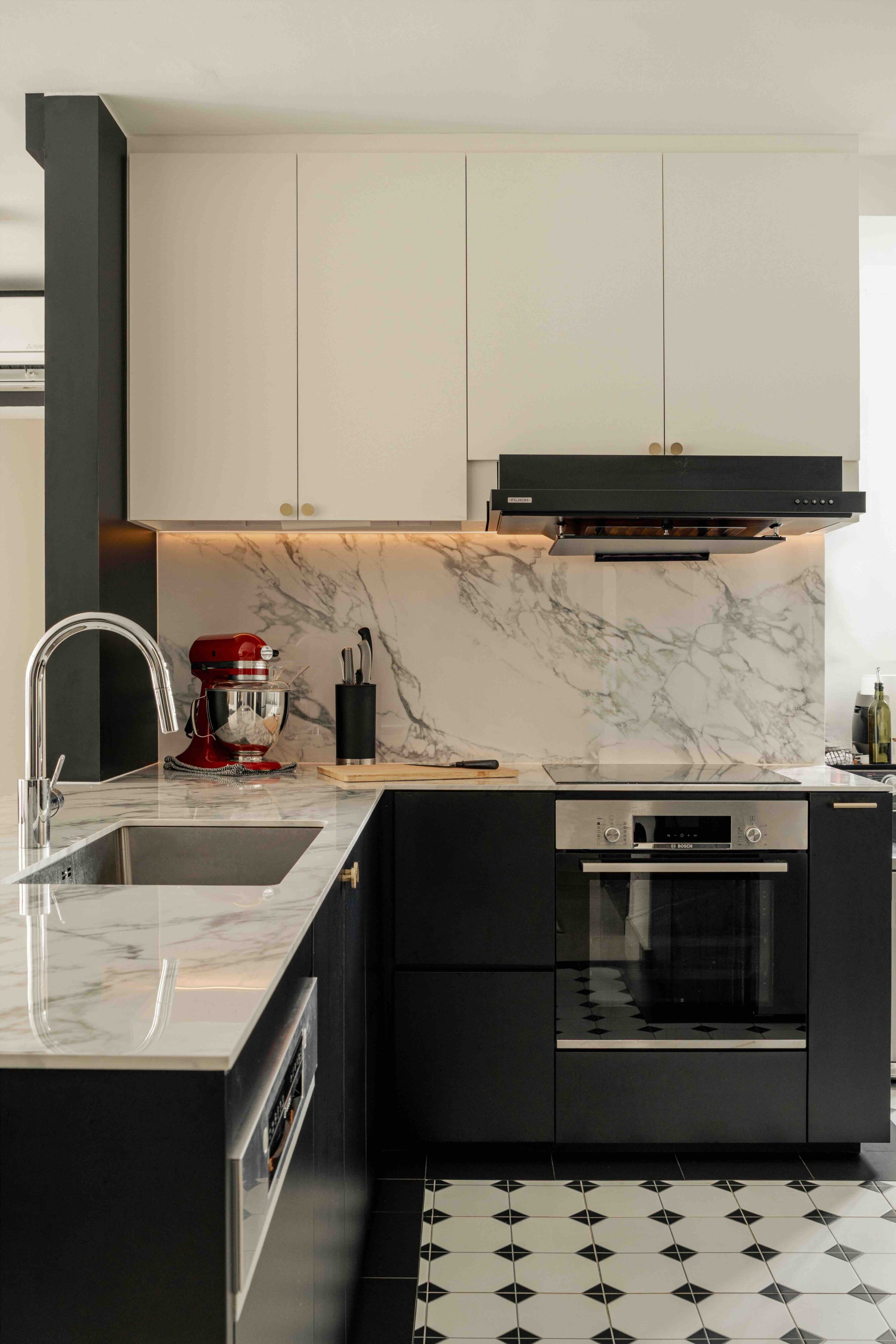
The kitchen is one of the most frequently used spaces in any home. Kitchen renovation priorities often deliver better returns when they address essential repairs, workflow, and storage rather than cosmetic changes alone. Renovations often focus on improving workflow, storage capacity, countertop durability, lighting, and practical updates such as tiling or re tiling when flooring or wet-area finishes are worn.
Features such as pull-out pantry systems, soft-close cabinetry, quartz countertops, and integrated appliances continue to be popular choices for homeowners seeking both convenience and style. Many homeowners also invest time in thoughtful dream kitchen design planning and detailed kitchen renovation cost and layout decisions so the final space is both functional and long-lasting.
Bathroom Upgrades
Bathrooms benefit from renovations that improve functionality while enhancing comfort, and some projects may involve demolition before waterproofing replacement or layout changes.
Modern upgrades commonly include:
- Better waterproofing
- Larger shower areas
- Wall-hung vanities
- Built-in niches
- Improved ventilation
- Slip-resistant flooring
- Moisture-resistant ceilings and coordinated lighting where needed
These improvements contribute to both safety and easier maintenance.
Living Room Improvements
Living rooms often become multifunctional spaces used for entertaining, working, and relaxing.
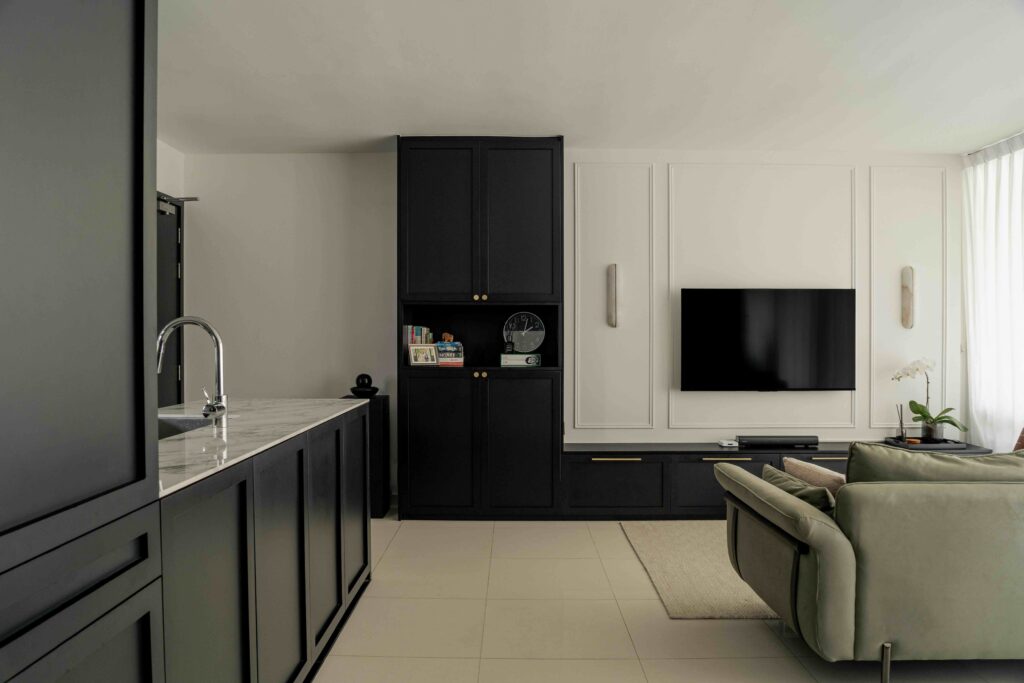
Renovations may include custom TV feature walls, concealed storage, upgraded lighting, or built-in shelving that maximises available space without creating visual clutter.
Bedroom Optimisation
Bedrooms benefit from customised storage solutions that make efficient use of limited floor area.
Built-in wardrobes, platform storage beds, and well-planned lighting can significantly improve comfort while keeping the room organised, and smart bedroom storage ideas for small Singapore homes help maximise every inch of limited floor area.
Renovation Trends That Focus on Practical Living
While design trends evolve each year, many Singapore homeowners are prioritising functionality over short-lived aesthetics.
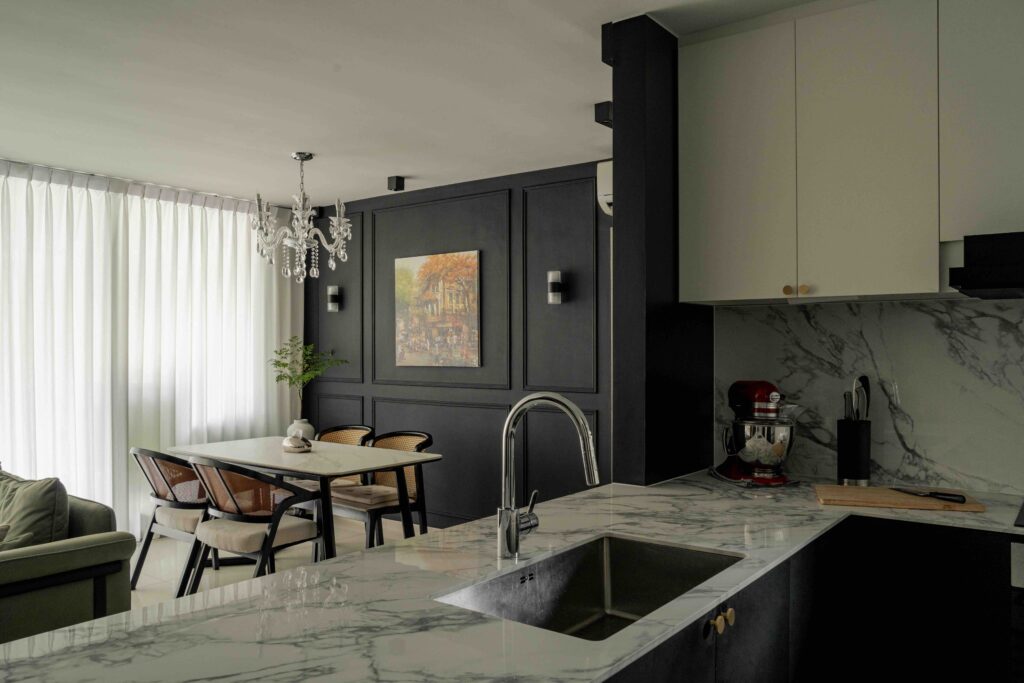
Natural materials, warm neutral colour palettes, layered lighting, and minimalist interiors remain popular because they create timeless spaces that adapt easily to changing furniture and décor, echoing many principles of modern contemporary interior design in Singapore and broader 2026 interior design styles for Singapore homes.
Homeowners are also increasingly incorporating flexible workspaces into their renovation plans. A compact study corner or multipurpose room can accommodate hybrid work arrangements without sacrificing valuable living space, especially in condos where modern condo interior design ideas and a well-planned condo renovation strategy can make smaller footprints feel spacious and efficient.
Energy-efficient lighting, water-saving fixtures, and durable materials are also becoming standard considerations as homeowners seek lower maintenance costs over the long term, while upgrades such as new insulation can improve comfort and deliver utility bill savings. These choices can also support property value, although results depend on market demand and local ceiling prices.
Common Renovation Mistakes to Avoid
Even well-prepared homeowners can encounter avoidable challenges during renovation projects.
One common mistake is making design decisions too late. Frequent changes after construction begins may increase costs, delay timelines, and require completed work to be redone.
Another issue is prioritising appearance over practicality. Beautiful materials that require constant maintenance may become frustrating over time, especially in busy households.
Some homeowners also overlook storage planning. Without adequate built-in storage, even spacious homes can quickly feel cluttered.
Lastly, selecting a renovation company based solely on the lowest quotation may lead to compromises in workmanship, project management, or material quality. Evaluating overall value rather than price alone often results in a smoother renovation experience.
How Professional Project Management Makes Renovation Easier
Home renovation involves coordinating electricians, carpenters, plumbers, tilers, painters, suppliers, and installers. Managing multiple trades independently can quickly become overwhelming.
Professional project management helps simplify the entire process from the beginning, and a typical home renovation in Singapore often takes about 8 to 12 weeks depending on scope, by ensuring each stage is completed in the correct sequence while maintaining quality standards. Good coordination also helps manage multiple trades for better on time delivery.
An experienced renovation company can also anticipate potential issues before they become costly delays, helping projects stay on schedule and within budget whenever possible.
This level of coordination allows homeowners to focus on important design decisions instead of managing day-to-day construction logistics.
Why Homeowners Choose Lemonfridge
Every renovation project is different because every homeowner has different priorities.
At Lemonfridge, we work closely with clients from the beginning of the project, paying close attention to detail as we understand how they live before recommending design solutions. Rather than applying a one-size-fits-all approach, we focus on creating spaces that balance aesthetics, functionality, and long-term value.
From initial consultation and design development to construction and project coordination, our team aims to deliver a renovation experience that is organised, transparent, and tailored to your goals, whether you prefer understated comfort or modern luxury interior design that elevates everyday living.
Whether you’re renovating a newly purchased property or refreshing your existing home, we support you through the entire process, from interior design planning to construction coordination, so your vision can be transformed into a space you’ll enjoy for years to come.
Frequently Asked Questions
The timeline depends on the scope of work. Minor renovations may take several weeks, while full-home renovations involving extensive carpentry, electrical work, and structural changes can take several months. Proper planning and project management help minimise delays.
There is no fixed amount, as costs vary depending on property type, renovation scope, materials, and customisation. For a 4-room HDB, a typical budget is S$35,000–S$65,000. For a 3-bedroom condo, costs usually range from S$45,000–S$100,000, and older units can cost 15–30% more than newer ones. HDB BTO budgets can range from S$15,000 to S$70,000 depending on scope. A landed property usually requires a higher budget due to its larger scale, while room HDB planning should still include a contingency fund for unexpected expenses.
In many cases, yes. Completing renovations before moving in allows contractors easier access and avoids the inconvenience of living through construction. It can also be more efficient to upgrade electrical systems, plumbing, flooring, and finishes all at once.
Bringing pictures, a rough budget, a room-by-room priority list, and an idea of how you use your space to the first meeting will help your renovation consultant provide more suitable recommendations and help the company prepare a more accurate proposal.
Look beyond pricing by evaluating the company’s portfolio, communication, project management process, workmanship, transparency, and ability to understand your renovation goals. Choosing an experienced partner can contribute significantly to a smoother renovation journey.