

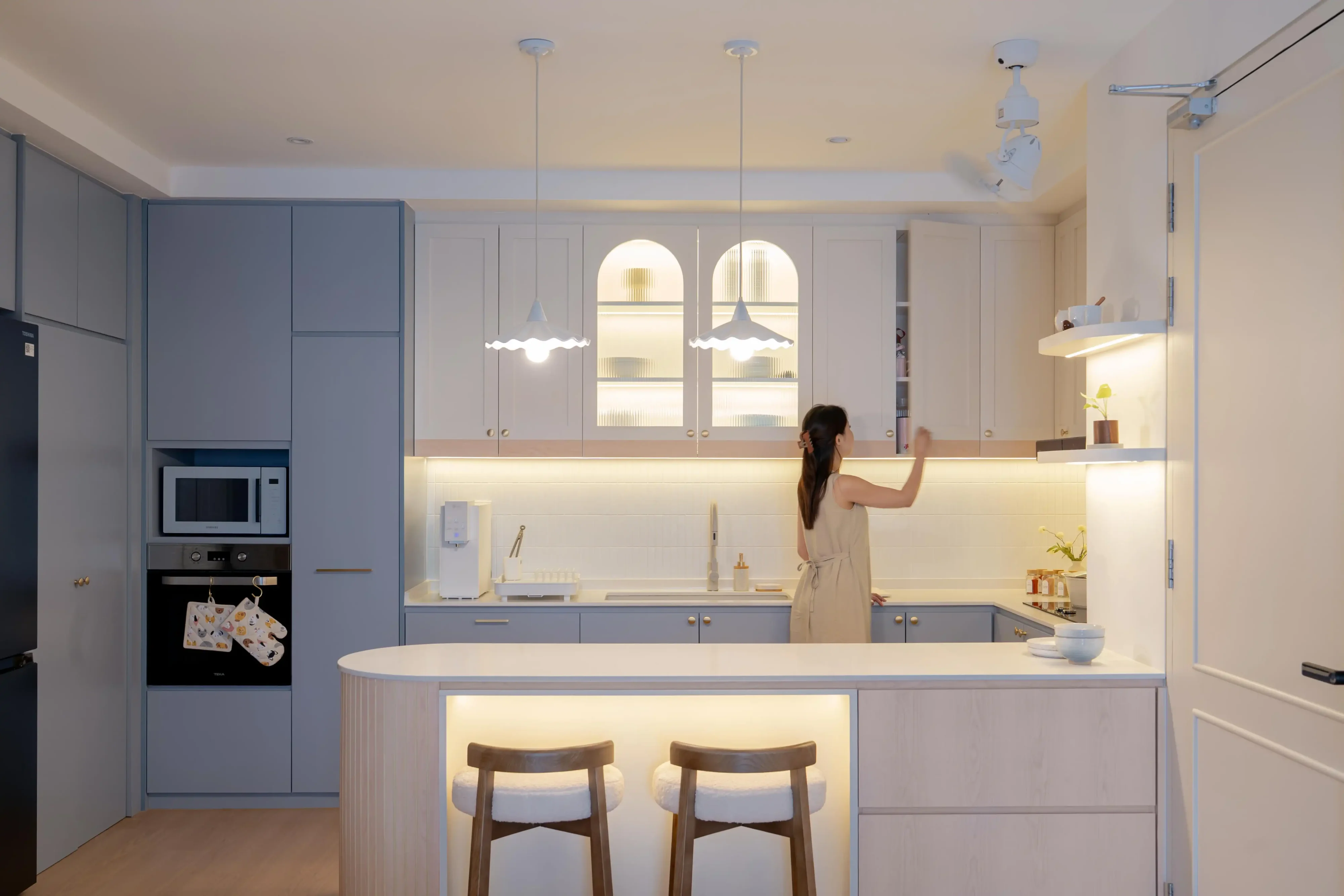
Things are changing fast. Interior design in 2026 is shifting towards comfort, intelligence, and a more soulful simplicity. What matters most is how these global trends translate into the reality of Singapore living, whether you are working with a compact HDB flat, a modern condo, or a multi-storey landed home. Here is your guide to what is genuinely achievable and exciting for the year ahead.
Curves, Comfort, and the End of Sharp Corners
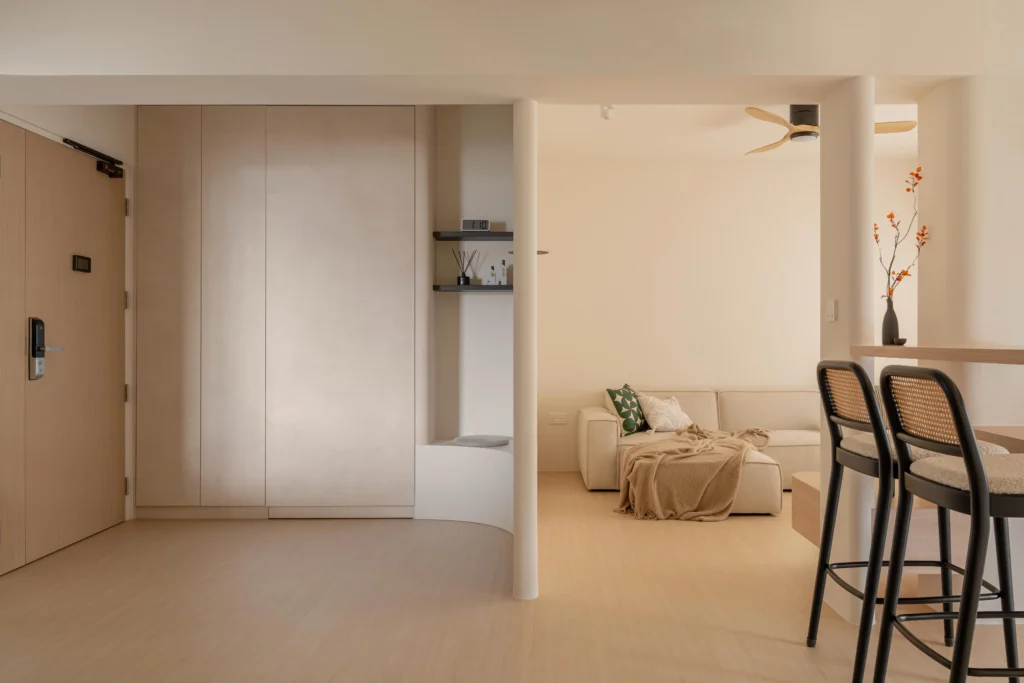
Believe it or not, curves are becoming a long-term favourite. Expect arched doorways, rounded wall corners, and furniture with flowing silhouettes. This shift away from rigid lines creates a sense of ease and natural movement at home.
The love for organic forms continues with materials. Hand-sculpted plaster walls, artisan tiles with imperfect glazes, and moldings that appear handcrafted all bring individuality. These small details make a home feel more personal and less “showroom perfect,” which is exactly what people are craving now.
Hide, Slide, Transform: The New Smart Living
Good planning has always been essential in homes, no matter which city you live in. Hidden storage and built-ins help keep the rooms clutter-free. Sliding doors, movable partitions, and modular furniture are becoming the secret sauce behind flexible layouts that adapt throughout the day.
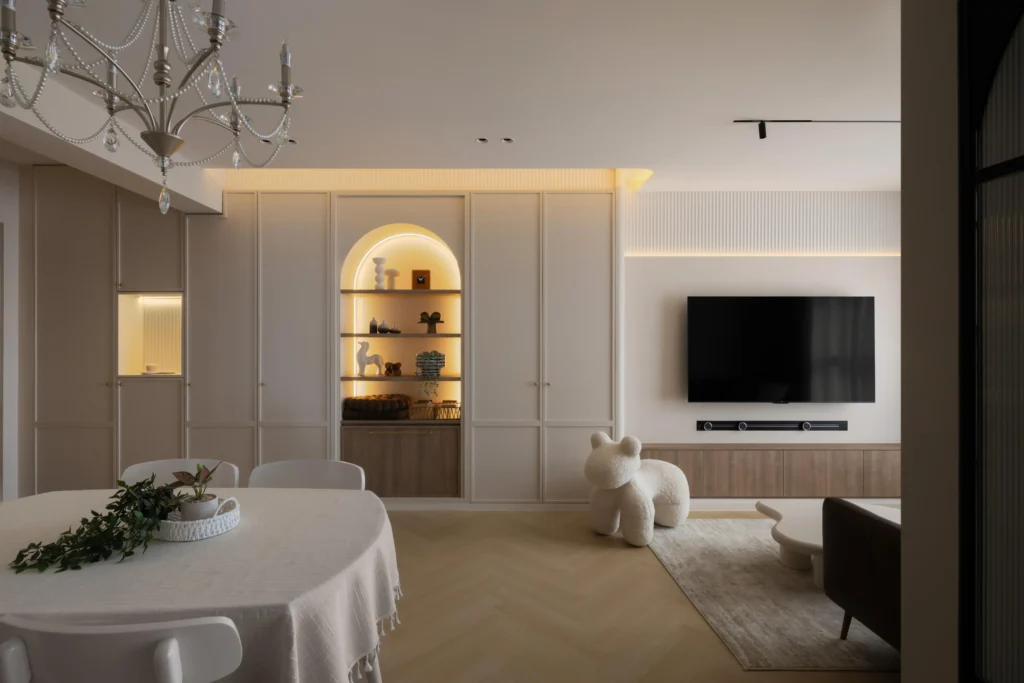
Technology is also becoming more intuitive. Smart lighting that syncs with your body’s natural rhythms, home automation that blends into the background, and layered lighting that shifts from work mode to wind-down mode are now part of everyday living. In compact interiors where every corner multitasks, this level of control is a game-changer.
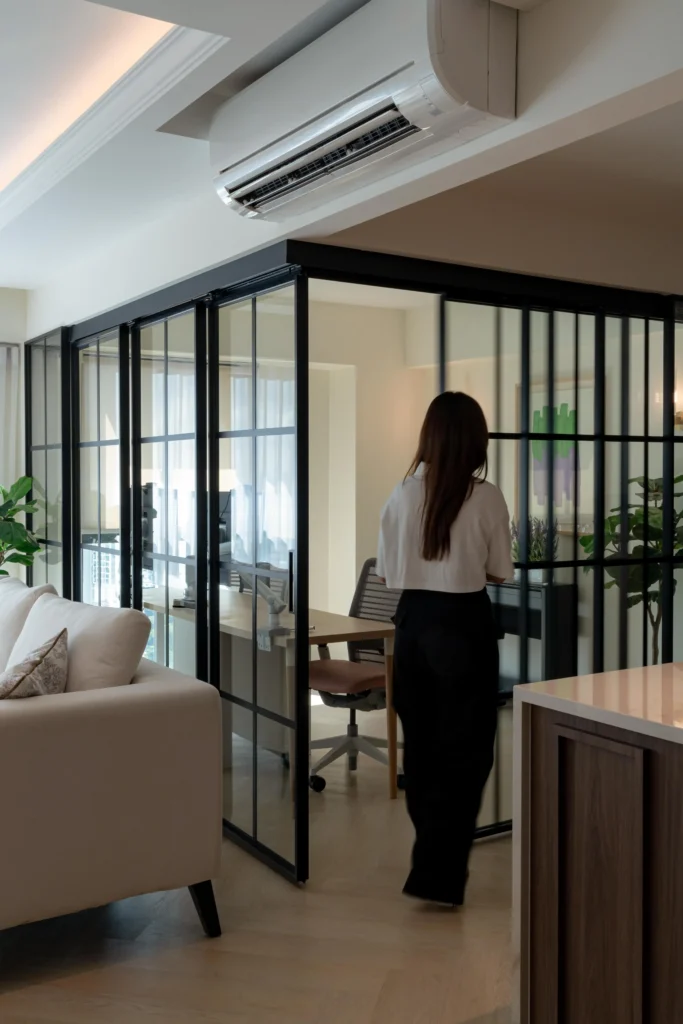
The hybrid work model is becoming increasingly common across today’s industries. Since not everyone has a spare room, integrated work nooks are gaining popularity. These can tuck neatly into hallways, closets transformed into cosy “cloffices,” discreet worktops built into kitchens, or even carve out a dedicated space in your living area. The best part is being able to close it all away once work is done.
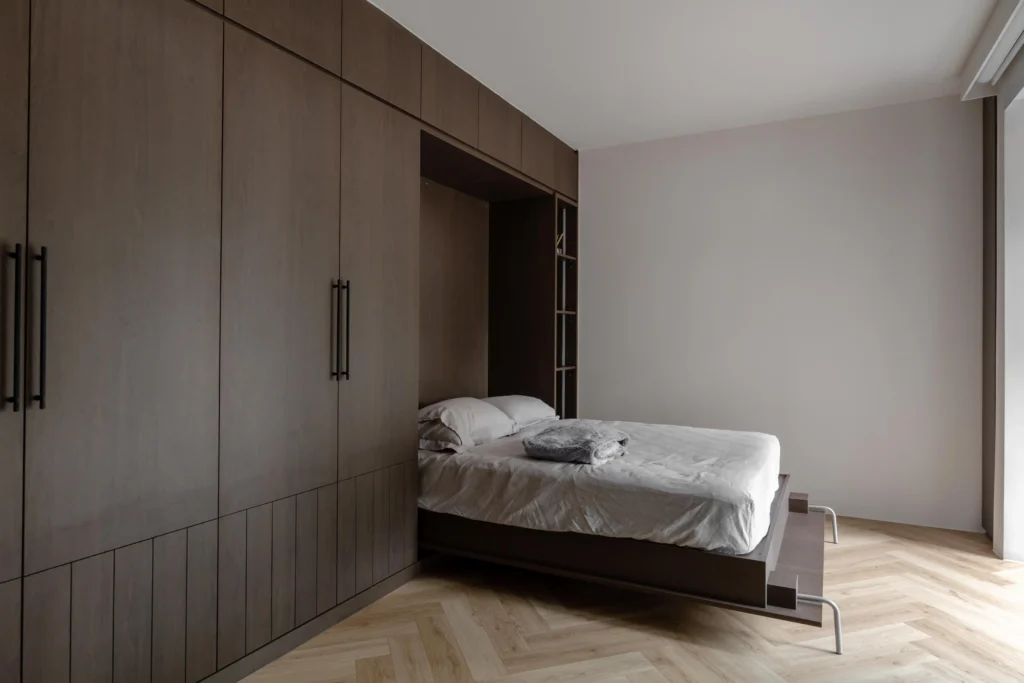
Shrinking floor plans have also made multifunctional rooms essential. Murphy beds, fold-out dining setups, and sofa-benches allow spaces to progress depending on the occasion. A single room can go from gym to guest room to study simply by adjusting a few elements.
Feel-Good Materials for Feel-Good Living
Undeniably, wellness is becoming a genuine priority rather than a buzzword. Today, designers are turning to research-backed ergonomics to create furniture that supports the body through long hours of sitting or standing. The goal is simple: better posture, less fatigue, more comfort.
Material health is also worth mentioning. Low-VOC boards such as E0 formaldehyde plywood are the preferred choice for built-ins, while breathable finishes help maintain better indoor air quality. Concrete is another rising favourite because of its cooling thermal properties and grounding look, which suits Singapore’s climate beautifully.
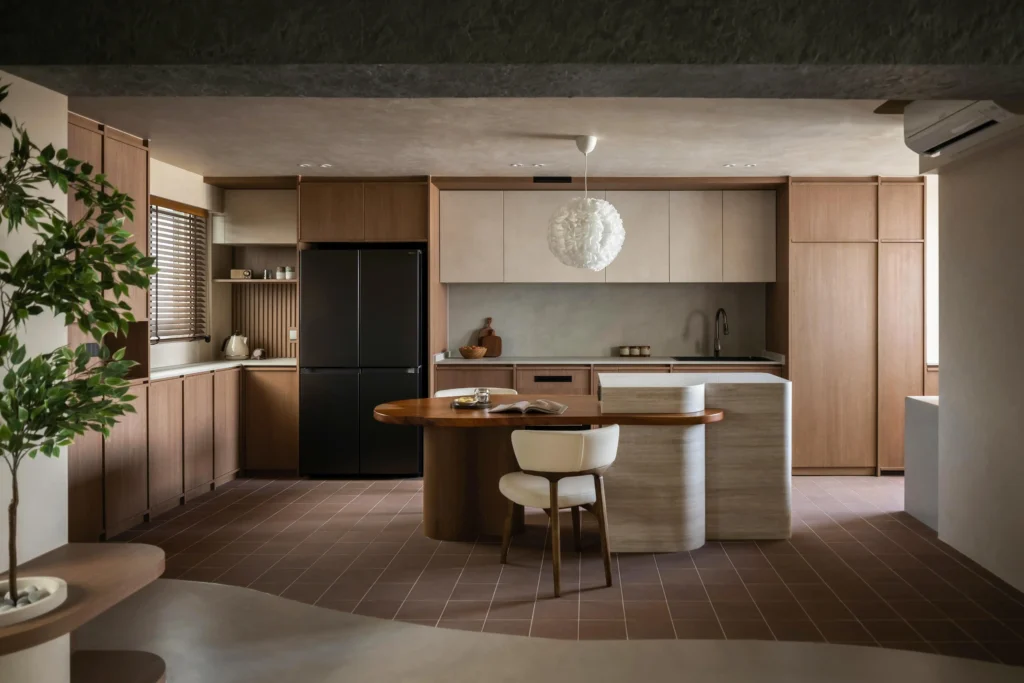
There is also a renewed love for regional craftsmanship and climate-appropriate materials such as textured woods, rattan, cane, terrazzo, and clay tiles that add warmth and charm while handling humidity with ease. They offer a way to bring Southeast Asian character into modern interiors.
For more design inspiration and project showcases, follow Lemonfridge Studio on Instagram.
Warm Whites, Earthy Accents, and Colour That Surprises
Stark white is finally stepping aside. The 2026 colour story is softer and more calming, inspired by a modern Tuscan palette. Imagine gentle creams, warm beiges, and airy off-whites that make homes feel relaxed without losing sophistication.
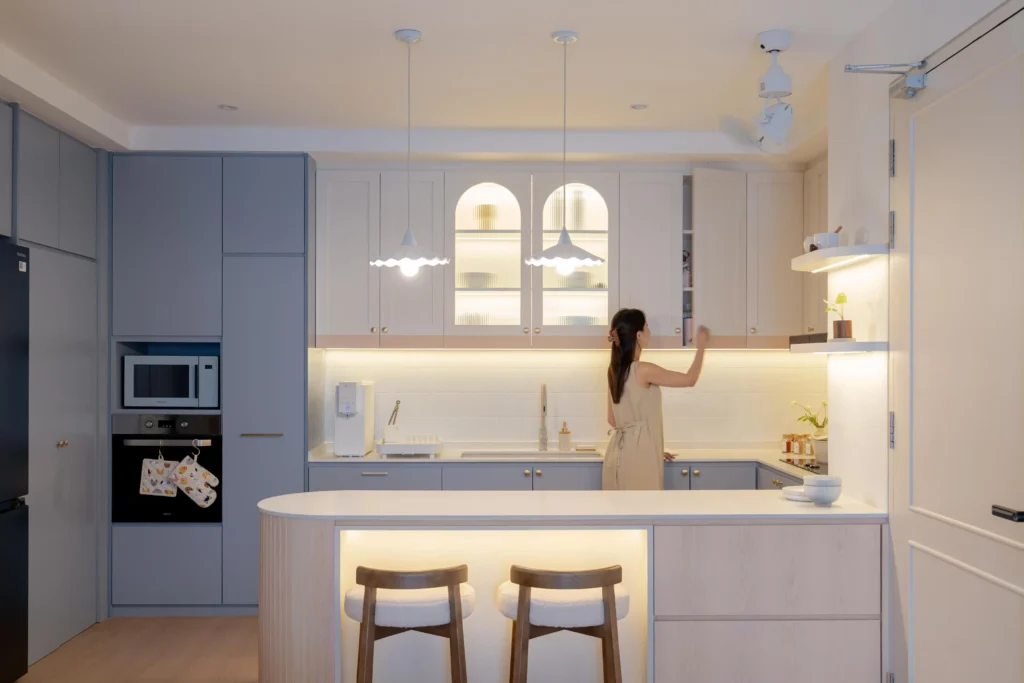
But it is not all neutral. Earthy tones and unexpected pops of colour are taking centre stage. Think of Muddy avocado greens, rich terracotta, and bursts of electric blue which are appearing on kitchen islands, built-in shelves, and cabinetry. These touches add mood and personality without overwhelming small spaces.
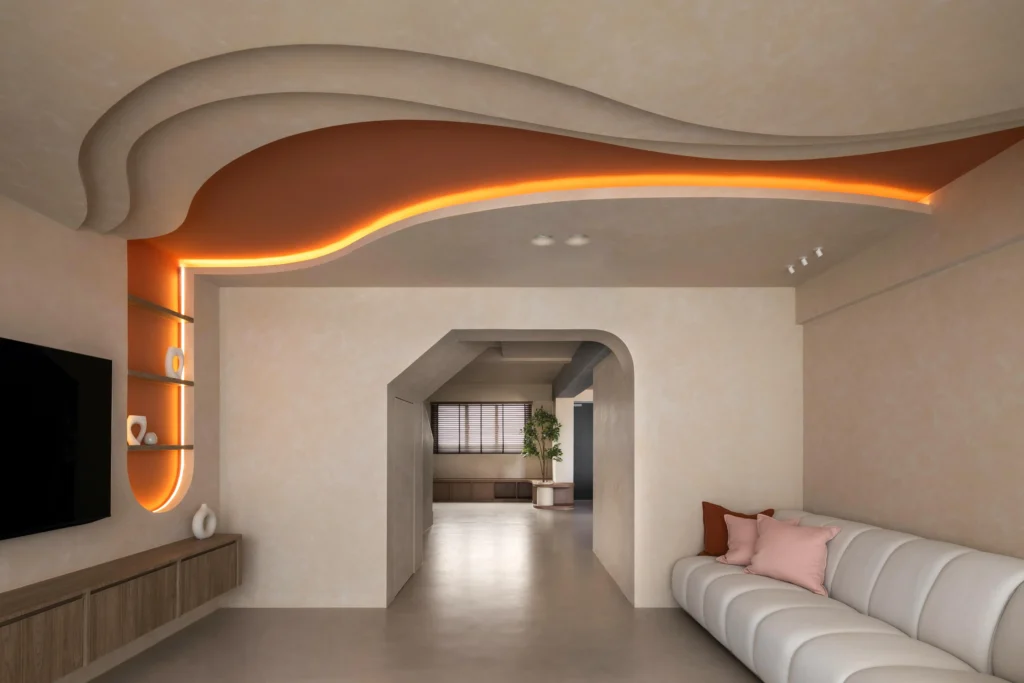
Since walls in Singapore homes often need to hold storage, attention is shifting up and down. Curved ceilings, textures overhead, or a soft wash of colour can make rooms feel taller. Floors, too, are becoming hero surfaces. Patterned tiles, terrazzo, and herringbone timber create visual zones and instantly elevate even the most compact layout.
Mindful Minimalism: Wabi-Sabi and Quiet Luxury
Less is more is taking on a new dimension with a focus on authenticity and timelessness.
Wabi-Sabi celebrates raw, natural materials, gentle asymmetry, and an appreciation for the beauty of aging and wear. This is perfectly complemented by the idea of Quiet Luxury, which focuses on owning a few exquisitely crafted, timeless pieces rather than a room full of fleeting trends. It is about feeling the quality in a solid wood table or a beautifully woven textile.
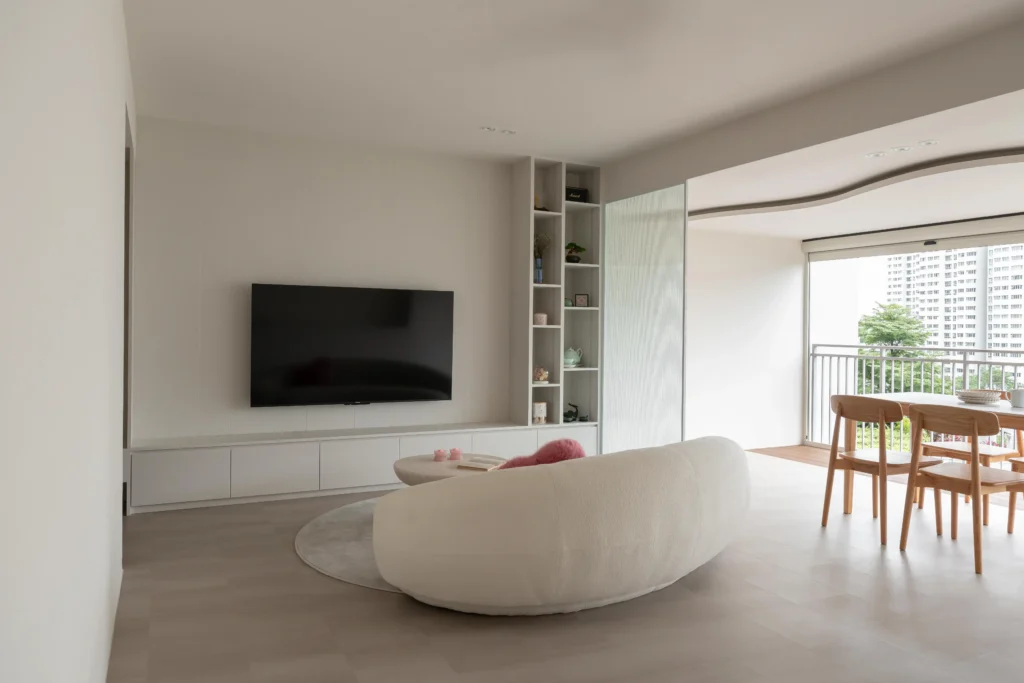
Biophilic design is also central in bringing mental calm through living walls, indoor water features, and colours and patterns inspired by natural ecosystems. Imagine a “forest floor” colour palette of mossy greens and earthy browns, or “coral reef” textures on fabric and art, interiors connecting more closely with the world outside.
Smart Vertical Living for Small Spaces
In HDBs and condos where floor space is precious, the walls are becoming hard workers. Tall shelving, hanging planters, lofted beds, and layered storage systems are turning vertical space into functional real estate. Modular shelving that adapts with your lifestyle keeps things future-proof.
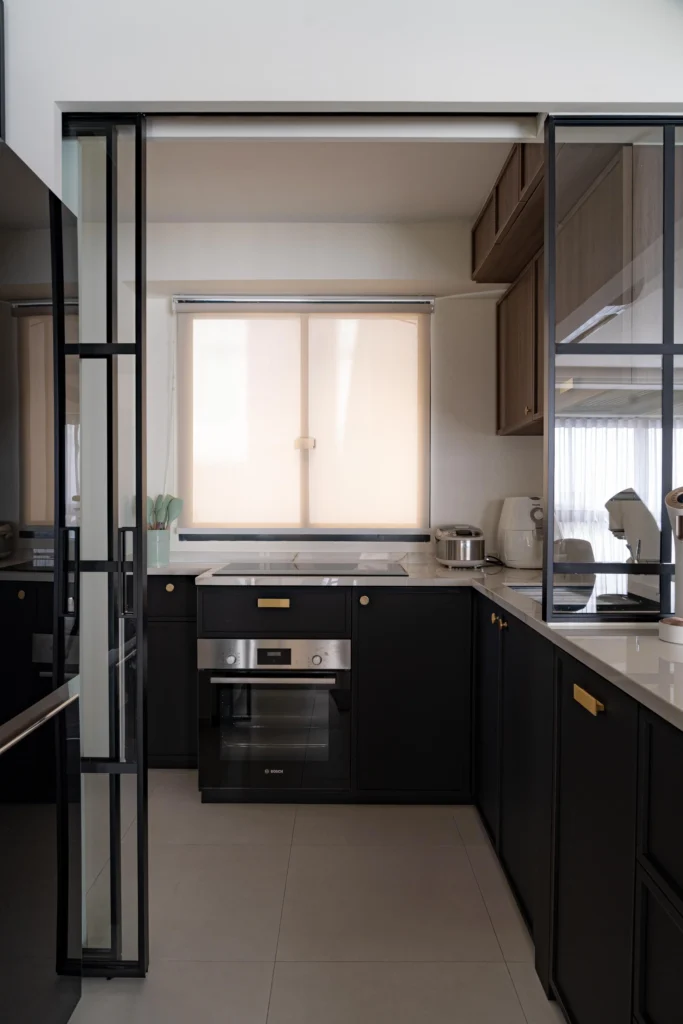
Small apartments are also embracing multifunctionality. Think convertible guest rooms, fold-out tables, or partitions that tuck away neatly when not in use.
The New Indoor-Outdoor Calm
Balconies and terraces are becoming cherished parts of the home rather than afterthoughts. With sliding glass doors, retractable screens, and thoughtfully placed greenery, outdoor spaces can feel like natural extensions of the living room. In a tropical climate, shaded seating corners, vertical gardens, and compact water features create a refreshing oasis right at home.
Before you go, explore our feature on Outdated Interior Design Trends to Leave Behind in 2026 (and What’s Replacing Them) for more fresh ideas to elevate your space.


