Paint, furniture, and flooring in a space often capture the eye, but lighting is the invisible hand that shapes the soul of a home. It is the essential element that dictates how every other feature looks and feels. When the sun sets, light becomes the personality of your home, defining its energy, crafting intimacy, and setting the overall mood.
Gone are the days of a single, glaring ceiling fixture. Today, a well-designed space treats lighting as a dynamic system. For modern designers, smart lighting has become one of the most powerful tools in their arsenal, shifting the focus from static illumination to dynamic environmental design. This evolution is accelerated by smart technology, which transforms the theoretical principles of good design into an adaptable reality.
The most common mistake is focusing on fixtures before function. To avoid this, start by looking at your space from above. A simple sketch of your room’s floor plan is the crucial first step. This overhead view forces you to shift your thinking from lighting empty space to highlighting architecture and objects. Here are insights from design professionals on how to structure your space with light, and how smart technology is the key to mastering this craft.
1. Master the Three Layers of Light to Define Zones
The first rule of designer lighting is to abandon the single overhead light, as it leads to a sterile, flat aesthetic. Instead, build a scheme with three essential layers: ambient, task, and accent to create a natural, immersive environment.

- Ambient (General) Light: This is the soft base layer that provides overall illumination, typically from overhead fixtures, tracks, or hidden cove lighting.
- Task (Focused) Light: This is bright, localised lighting directed toward a specific activity, such as a pendant over a kitchen island or a lamp next to a reading chair.
- Accent (Decorative) Light: These are focused beams or washes used to highlight architectural features, art, or shelving, creating visual interest and drama.
Designer Insight: A smart lighting system makes this layering dynamic and effective. Instead of being locked into a single configuration, you can use technology to shift the emphasis. Your ambient lights can provide a soft glow while smart track lights discreetly draw the eye to a piece of art. With a single command, the entire lighting hierarchy can transform to suit a new activity or mood.
2. Design for Function: Creating Multi-Purpose Rooms with Programmable Scenes
The biggest challenge in modern living is creating a space that serves multiple purposes. Smart lighting provides the solution by allowing you to save pre-set lighting configurations, or scenes, for different activities.
Designer Insight: We often design a living room to function as a productive home office by day and a cosy entertainment hub by night. The physical space remains the same, but the atmosphere completely transforms. Uses bright, cool-white light for alertness, while needing a comfortable scene, dims the lights to a warm, low amber. Smart lighting is the key to achieving this level of atmospheric versatility. It is like having multiple rooms in one.
3. Applying Layering and Scenes: A Room-by-Room Guide
The Living Room: From Functional to Atmospheric
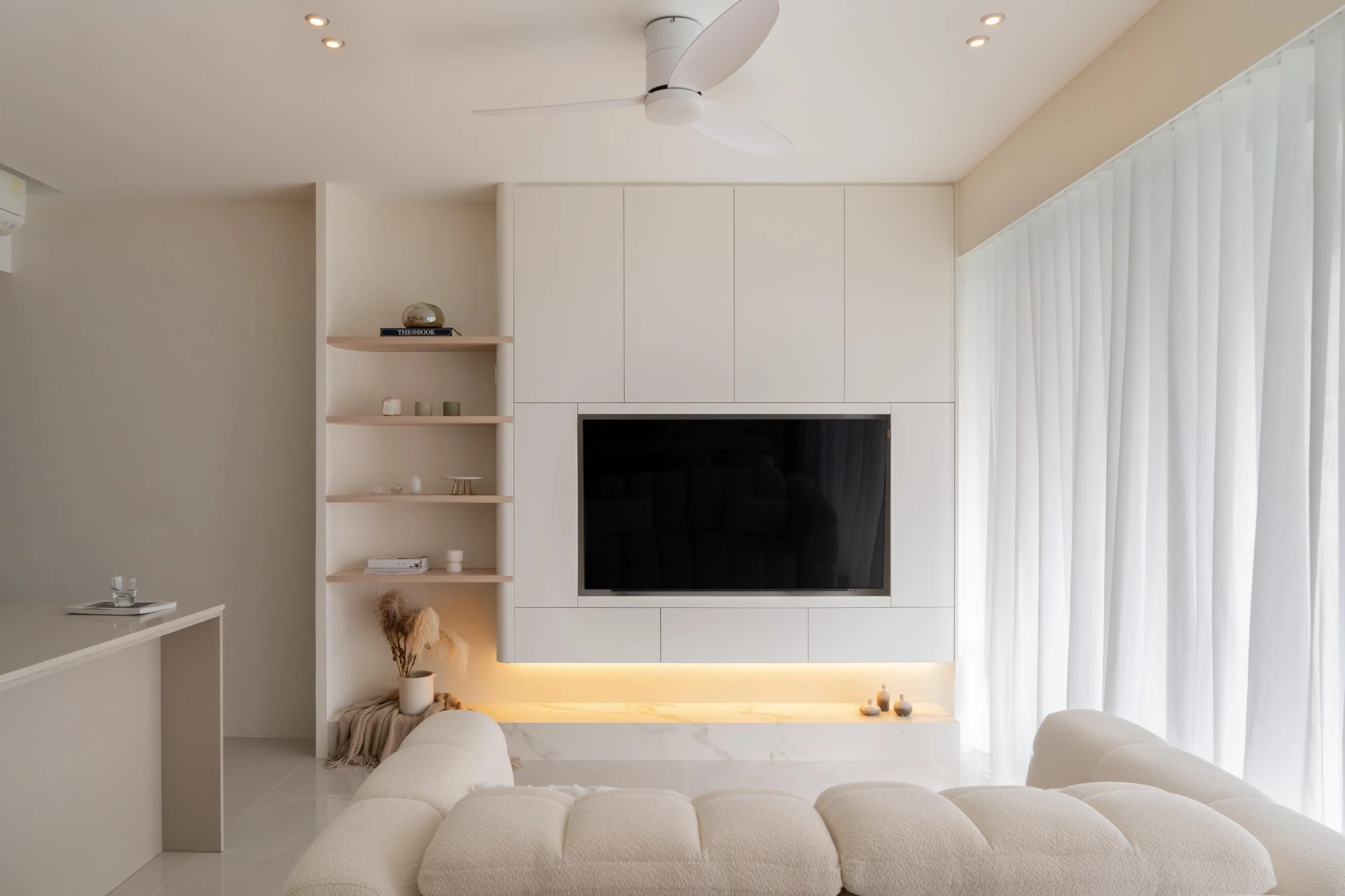
Imagine smart track lights washing the front of a built-in cabinetry while a floor lamp by a sofa provides perfect reading light. You can instantly shift from a brightly focused task and accent lights, to an entertaining scene. In the latter, the overhead lights dim significantly, and discreet, colour-tunable LED strips behind the TV activate in a warm hue.

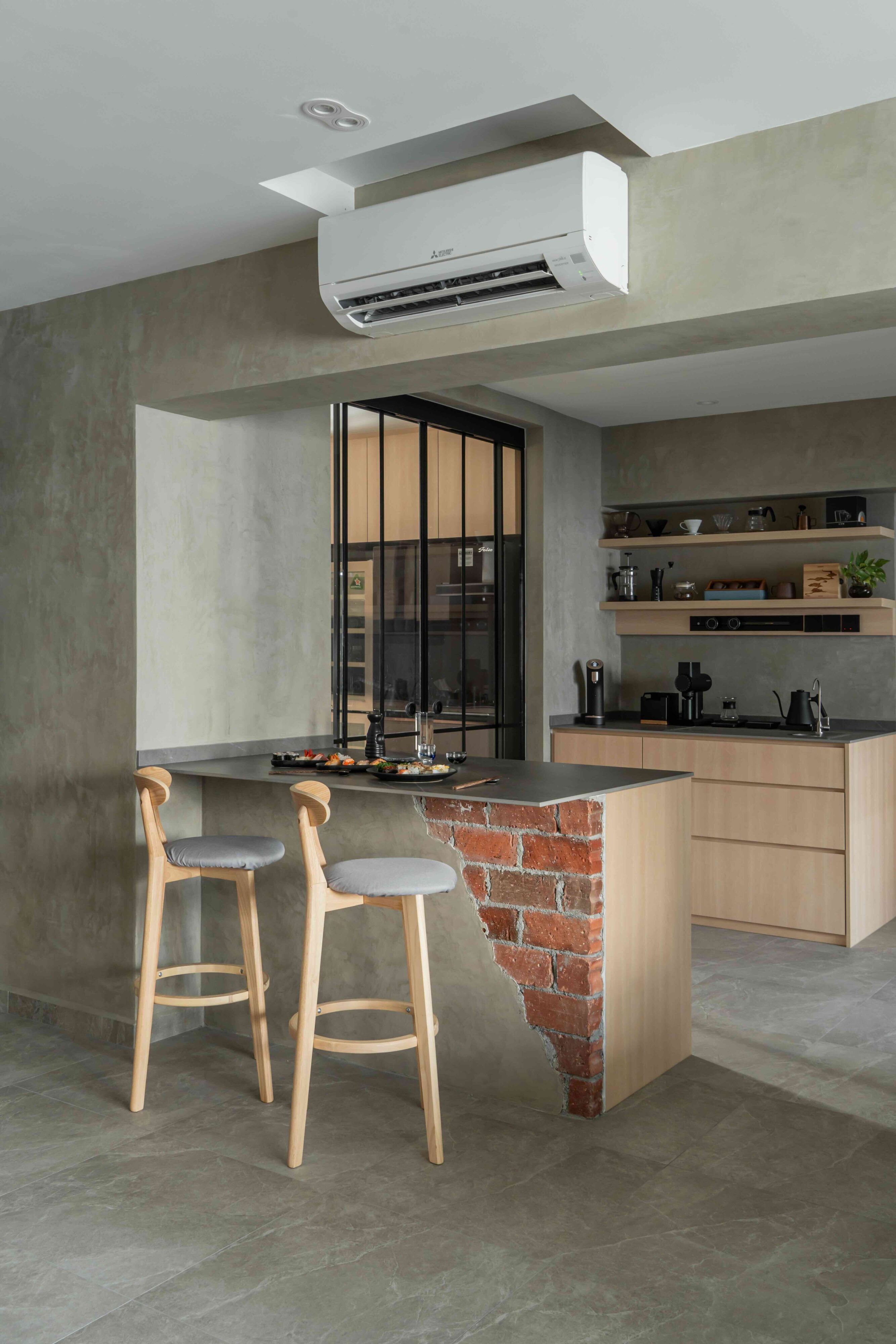
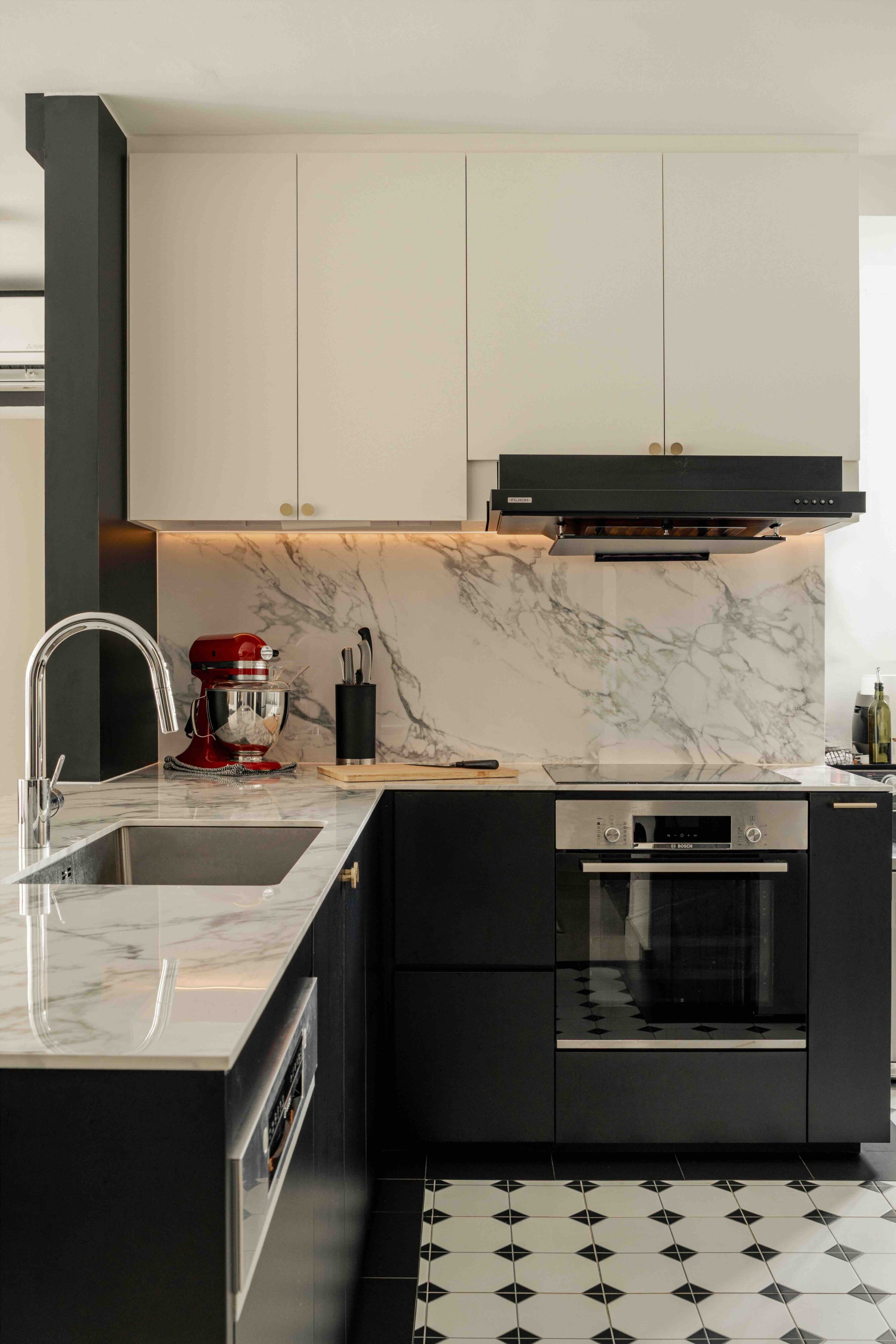
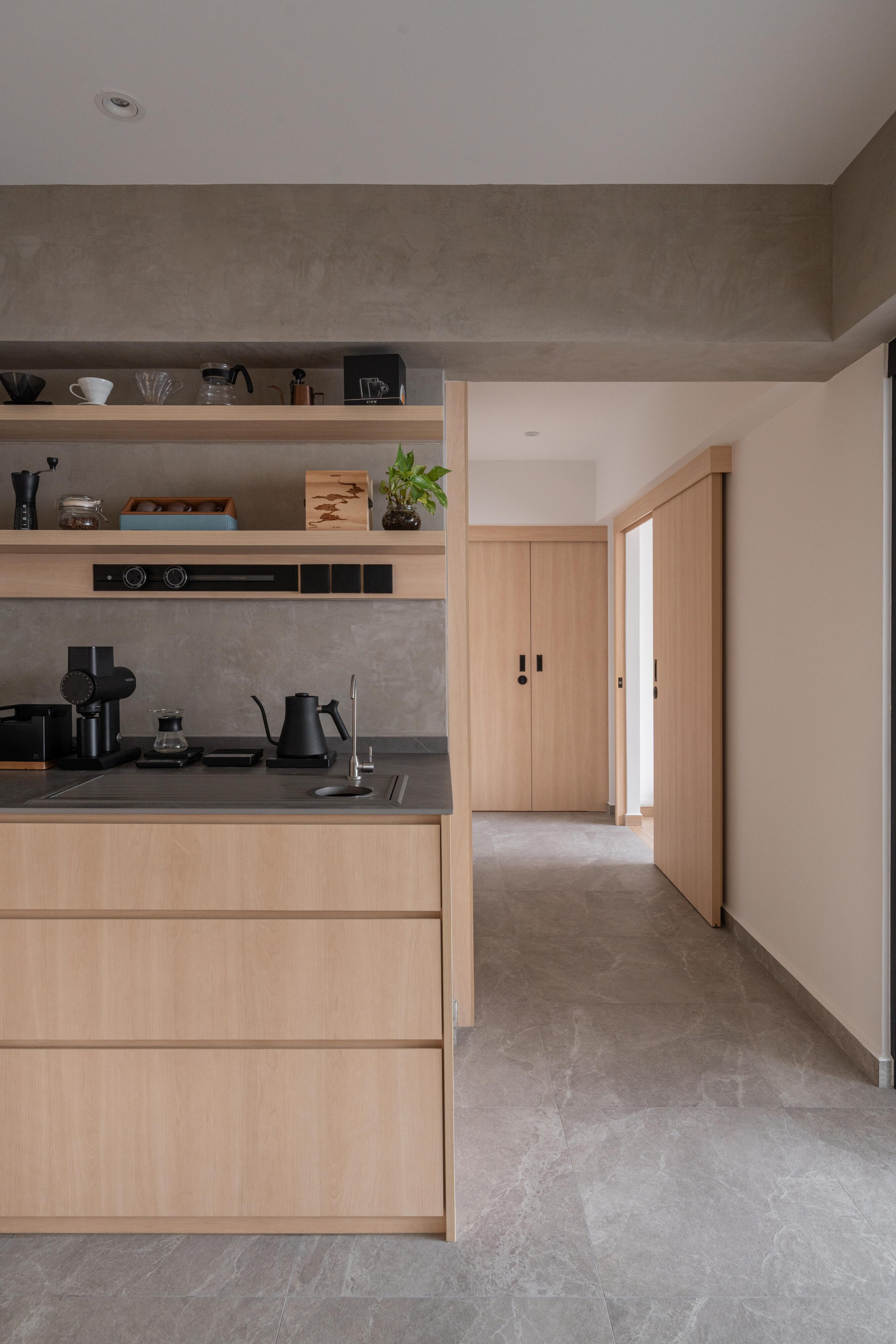
In the kitchen, function is paramount. Smart, tunable downlights can provide uniform task lighting over an island. For an evening dinner party, dim all the primary task lights to a soft glow. Meanwhile, smart LED strips placed at the front edge of upper cabinets can shift to a very warm white to maintain definition. In the dining area, a statement pendant with a dimmable smart bulb can be programmed to be bright for family meals and dim to an intimate level for a formal dinner.
4. Leverage Control and Automation for Wellness and Aesthetics
Lighting’s impact goes beyond aesthetics; it directly influences our psychology and well-being. Smart lighting puts a full spectrum of possibilities at your fingertips.

- Circadian Rhythm Support: Smart systems allow for automated colour temperature tuning. All lights can be set to a low glow in the evening, ideally staying below 2700 Kelvin to avoid sleep-disrupting blue light. Conversely, a comfortable warm scene can gradually brighten the lights in the morning, mimicking a sunrise to support your natural rhythm.
- Invisible Control: One of the core tenets of modern design is a clean aesthetic. Designers often specify smart bulbs for existing fixtures to retain a home’s character while gaining modern control, or hide light strips under cabinets to create a ‘floaty’ effect. The smart system integrates all control into a single app or voice command, making a complex design scheme appear effortlessly minimalist.
- Designing with Intentional Colour: The ability to tune the color and hue of light allows you to influence the perceived space and mood. Use a cool, bright-white light in a productive office space, or a dimmed, warm light in a dining room to encourage connection. Smart technology puts this psychological palette directly at your fingertips.
Lighting is the most transformative element in your home. Intrigued by the possibilities of a professionally designed lighting plan? Let our team help you create a home that is both beautifully lit and intelligently responsive.