Industrial interior design has evolved far beyond its warehouse origins. Once inspired by converted factories and industrial buildings, this design style is now one of the most sought-after choices for homeowners seeking a balance between modern sophistication and rugged character.
Its appeal lies in its honesty. Rather than concealing structural elements, industrial design celebrates them. Concrete walls, exposed pipes, steel finishes, and natural timber come together to create interiors that feel authentic, practical, and effortlessly stylish.
In Singapore, where space is often limited, industrial interior design has also become a practical solution. Its clean lines, open layouts, and emphasis on functionality make smaller homes feel spacious while maintaining a distinctive personality.
At Lemonfridge, we believe industrial design is not simply about unfinished materials. It is about creating a thoughtfully designed environment that is durable, welcoming, and tailored to the way you live.
Key Takeaways
- Industrial interior design combines raw materials, neutral colours, and functional layouts to create timeless living spaces.
- The style can be customised to suit HDB flats, condominiums, and landed homes without feeling overly cold or unfinished.
- Professional planning ensures industrial elements remain practical, cohesive, and comfortable for everyday living.
What Defines Industrial Interior Design?
Industrial design draws inspiration from old factories, warehouses, and commercial spaces. Instead of hiding construction materials, they become central design features.
Common elements include:
- Exposed concrete or cement finishes
- Steel and black metal accents
- Reclaimed or natural wood
- Neutral colour palettes
- Open-plan layouts
- Minimal decorative elements
- Large windows and abundant natural light
The overall look is simple yet refined. Every feature has a purpose, creating interiors that prioritise both form and function.
Why Industrial Design Remains Popular
Unlike trend-driven aesthetics that quickly become dated, industrial interiors have remained relevant for decades. Their neutral foundation allows homeowners to introduce new furniture, artwork, or décor without requiring a complete renovation.
Industrial spaces also emphasise quality materials that naturally age well, with distressed wood, iron, steel, and concrete contributing to their longevity. Timber develops character through textured surfaces, metal gains subtle patina, and concrete maintains its timeless appeal, while the style embraces imperfections as part of that raw authenticity.
This durability makes industrial design a worthwhile long-term investment for homeowners who value both aesthetics and practicality. It also leaves room for layered textures, leather sofas, and vintage items or reclaimed pieces that add character without losing the industrial feel.
Industrial Doesn’t Mean Cold
One of the biggest misconceptions about industrial interior design is that it creates dark or uninviting spaces.
In reality, successful industrial interiors strike a balance between rugged materials and warmth.
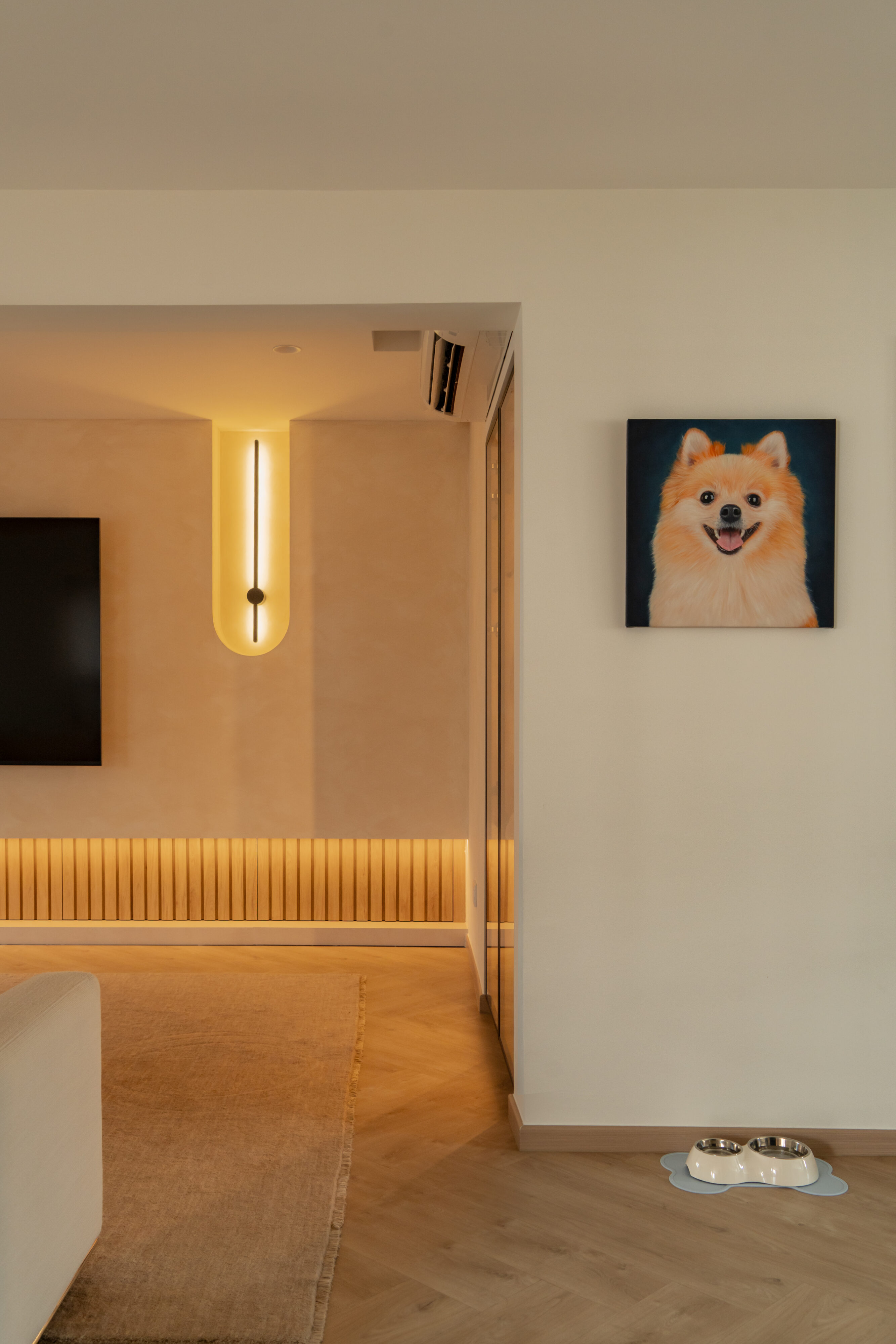
Natural wood flooring, textured fabrics, comfortable seating, warm lighting, indoor greenery, and layered textures help soften the starkness of industrial design, creating spaces that feel lived in rather than cold. For example, leather sofas or textured surfaces can add comfort while preserving the raw authenticity of the room.
The result is a home that feels modern yet lived in without losing its industrial feel.
Choosing the Right Colour Palette
Industrial interiors typically rely on understated colours that allow materials to become the focal point and subtly reference the industrial past.
Popular choices include:
- Charcoal
- Black
- White
- Grey
- Warm beige
- Earthy browns
Accent colours are often introduced through furniture, artwork, or accessories rather than wall paint, with rust and deep green adding warmth.
This restrained palette helps create visual consistency throughout the home, especially when balanced with earthy tones, while making it easier to update your interior over time.
Materials That Define the Style
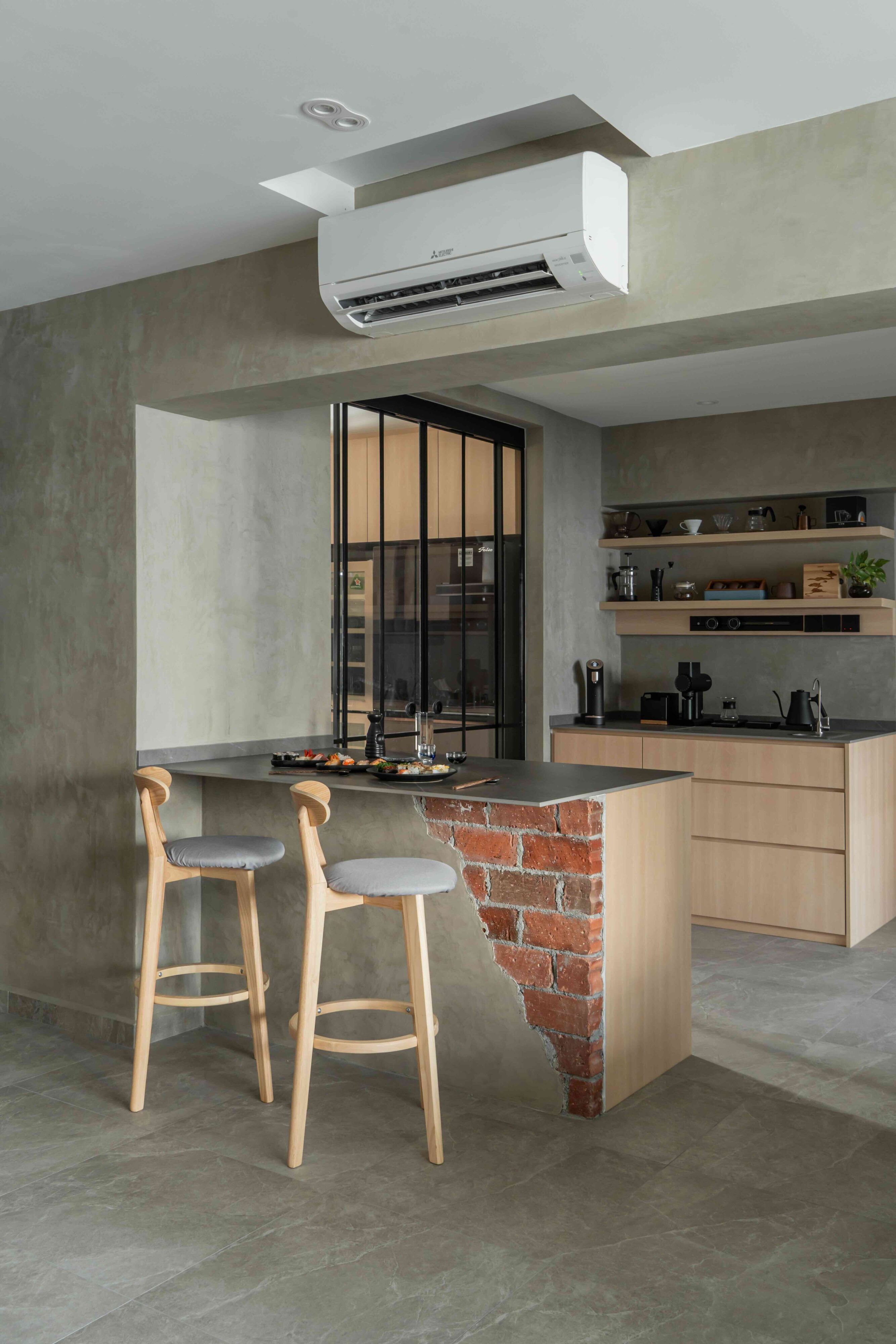
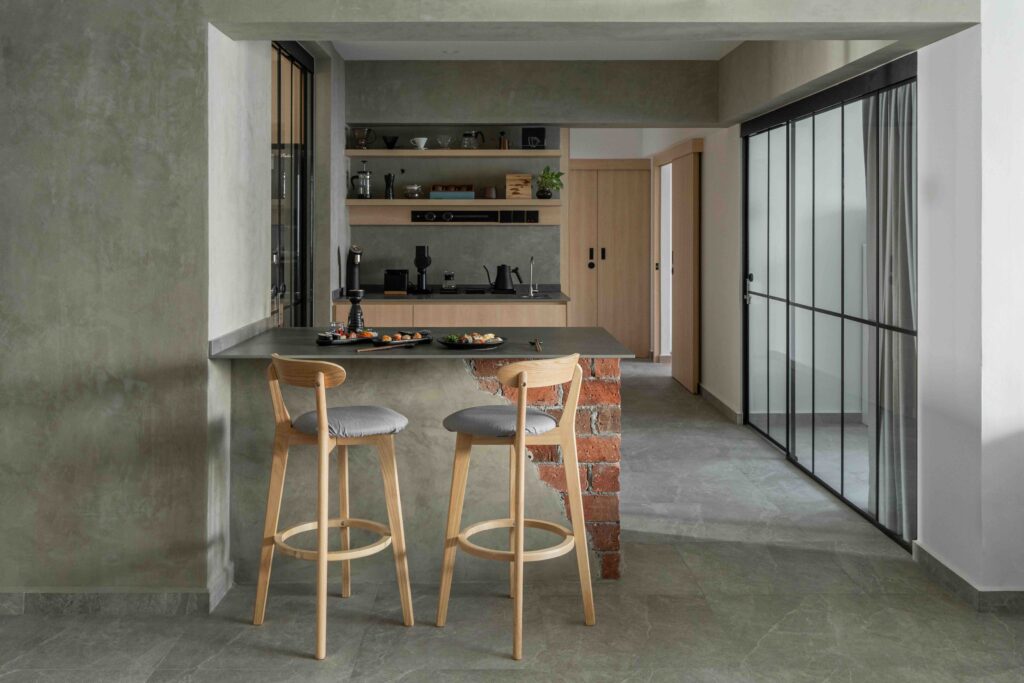
Materials play a far greater role than decorative accessories in industrial design, with common choices including concrete, steel, timber, brick, and glass, and with exposed brick walls often acting as a defining feature where suitable.
Polished concrete is a classic flooring choice in industrial design, and concrete is also used for feature walls or countertops, providing texture and depth without overwhelming the space.
Steel is incorporated into shelving, partitions, staircases, lighting fixtures, and cabinetry, with metal finishes helping reinforce the look and aged metal or a rustic finish adding character over time. Black-framed glass partitions have become particularly popular in Singapore homes, offering separation without sacrificing openness.
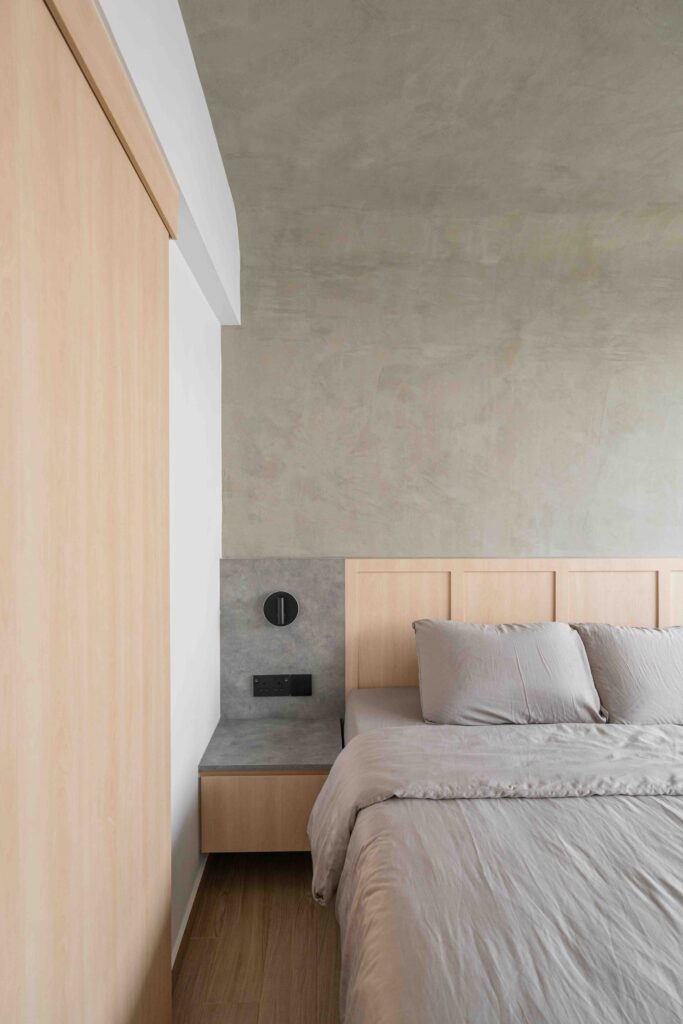
Wood introduces warmth and natural variation. Whether it’s reclaimed wood shelving, oak flooring, or walnut cabinetry, timber prevents industrial interiors from feeling too harsh.
Glass is frequently used to maximise light while preserving the open feel that defines the style.
Lighting Makes All the Difference
Lighting is one of the most recognisable features of industrial interior design.
Pendant lights with exposed bulbs are common choices, and industrial lighting fixtures often feature exposed bulbs and metal shades. However, statement lighting should still work as a functional focal point in industrial design.
Layered lighting helps create a more inviting atmosphere by combining ambient, task, and accent lighting throughout the home, with fairy lights in bedrooms helping soften the look where appropriate.
Warm white lighting also complements concrete and timber finishes, making the space feel comfortable rather than stark.
Industrial Interior Design for Singapore Homes
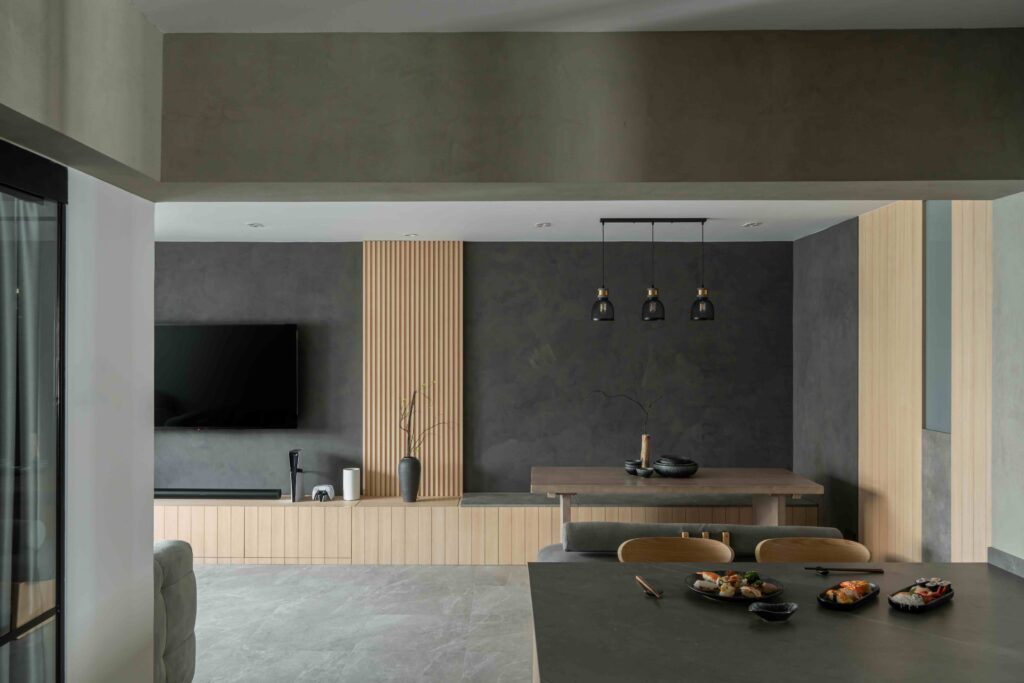
Industrial design adapts surprisingly well to Singapore’s residential properties, drawing on classic cues from loft apartments and converted commercial buildings while staying suited to local homes. This is where an award-winning interior design company in Singapore like Lemonfridge can help tailor the look to different property types.
For HDB flats, careful planning can make compact layouts feel larger through open floor plans, multifunctional furniture, and integrated storage solutions, particularly in key areas such as a well-planned kitchen design.
Condominiums often benefit from industrial-inspired kitchens, glass partitions, and minimalist living areas that complement contemporary architecture; this modern industrial interior design approach works especially well in modern apartments, especially when incorporating modern kitchen island ideas and thoughtful kitchen renovation planning.
Landed homes provide greater flexibility, allowing designers to incorporate high ceilings, statement staircases, exposed beams, and large windows that enhance natural light in industrial spaces and create a stronger sense of open space.
The key is customisation rather than copying overseas warehouse conversions that may not suit Singapore’s climate or housing layouts.
Storage Without Compromising Style
Industrial interiors are known for their uncluttered appearance, which makes smart storage essential.
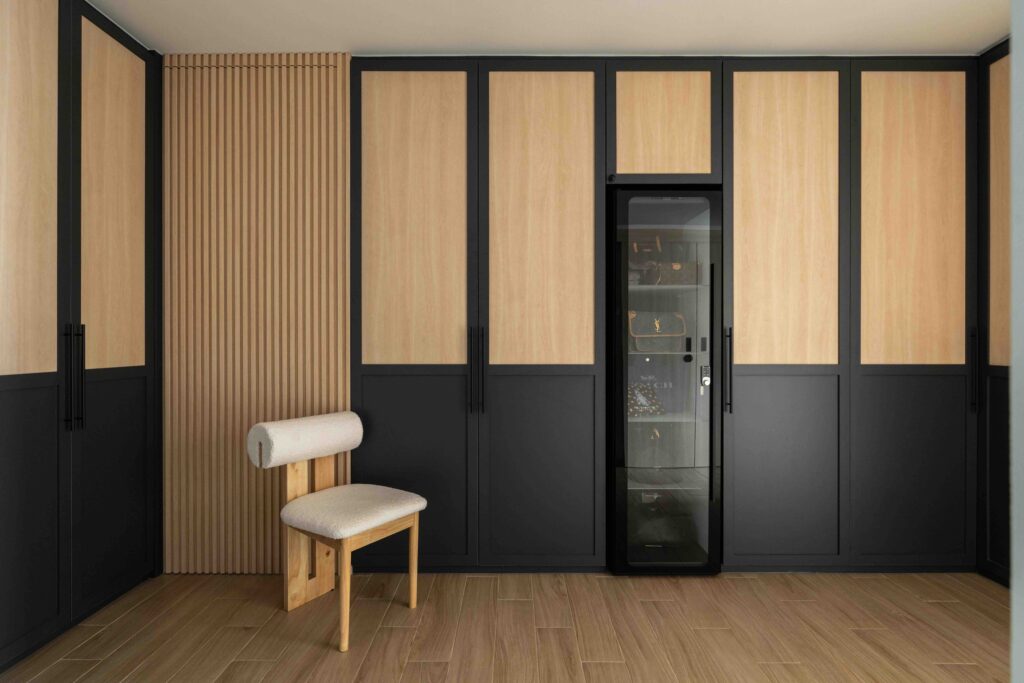
Built-in cabinetry can seamlessly blend into walls while maintaining clean lines. Open shelving provides opportunities to display books, ceramics, and decor items as curated pieces without creating clutter.
Hidden storage within benches, beds, or kitchen islands helps preserve the minimalist aesthetic while supporting everyday living.
Thoughtful storage ensures the home remains functional without sacrificing visual appeal.
Blending Industrial with Other Styles
Modern industrial design has become increasingly versatile, and mixing it with other aesthetics can create a more personal space.
Many homeowners combine industrial elements with Scandinavian interior design in Singapore, warm minimalist interiors, or contemporary luxury to establish a coherent visual language, especially in modern homes.
For example, pairing industrial lighting with lighter timber flooring creates a softer aesthetic in modern interiors, and carefully layered finishes can echo the principles of modern luxury interior design. Adding textured fabrics, neutral rugs, and organic shapes introduces warmth while preserving the industrial foundation.
This flexibility allows homeowners to personalise the style according to their lifestyle rather than following rigid design rules, a minimalist approach when handled with restraint.
Why Professional Interior Design Matters
Industrial interiors may appear simple, but achieving the right balance requires careful planning.
Without thoughtful design, the goal is creating spaces that feel finished and welcoming rather than dark or overly utilitarian. Material selection, lighting placement, storage planning, and layout are key elements that must work together to create an industrial home that remains comfortable for daily living.
At Lemonfridge, every project begins with understanding how our clients live. Backed by years of design excellence in Singapore, we combine practical planning with carefully selected finishes to create industrial-inspired interiors that are functional, durable, and uniquely personal.
Rather than following trends, we focus on timeless design solutions that continue to perform beautifully for years to come.
Conclusion
Industrial style interior design offers more than a distinctive visual style. It celebrates authentic materials, practical layouts, and timeless craftsmanship that stand the test of time.
Whether you’re looking to bring industrial interior design into a compact apartment or a spacious family home, industrial elements can create a space that feels contemporary, comfortable, and full of character.
With careful planning and experienced design expertise, industrial interiors become more than just a trend—they become homes that support the way you live while remaining visually striking through a balance of raw and comfortable elements for years to come.
When you’re ready to transform your home with industrial-inspired design, Lemonfridge can help bring your vision to life through thoughtful planning, quality workmanship, and personalised interior solutions.
FAQs
Yes. Industrial design works well in smaller homes because industrial interior design ideas such as open floor plans and integrated storage emphasise open layouts, clean lines, and multifunctional furniture, helping small HDB flats feel larger. With proper planning, it can make compact spaces feel larger while maintaining a stylish appearance.
Not necessarily. While concrete is a signature element, industrial interiors can achieve a similar look without exposed concrete by using textured finishes, cement-effect panels, feature walls, or other exposed structures. Exposed structural elements can also help create the look, so the overall design balance is more important than using every traditional industrial material.
The cost depends on the scope of the renovation and the materials selected. Premium steelwork, custom carpentry, and specialised finishes may increase costs, but industrial interiors can also be designed to suit a range of renovation budgets through smart material selection.
Absolutely. Warm timber finishes, soft furnishings like linen curtains, layered lighting, and indoor plants help create a welcoming atmosphere in an industrial style interior. Layered textures also help soften the space while preserving the industrial theme. A well-designed industrial home feels both stylish and comfortable.
Lemonfridge works closely with homeowners to define the key characteristics of an industrial interior and tailor them to their lifestyle, space, and budget. From layout planning to material selection and project execution, every design is customised to create a functional home with lasting appeal, whether that includes an industrial kitchen or another space shaped around practical needs.