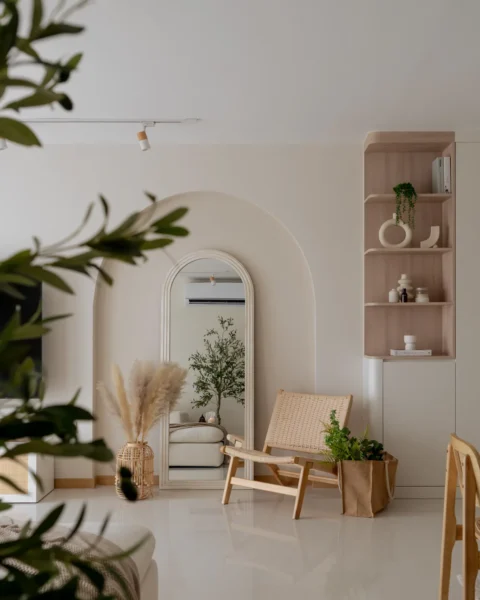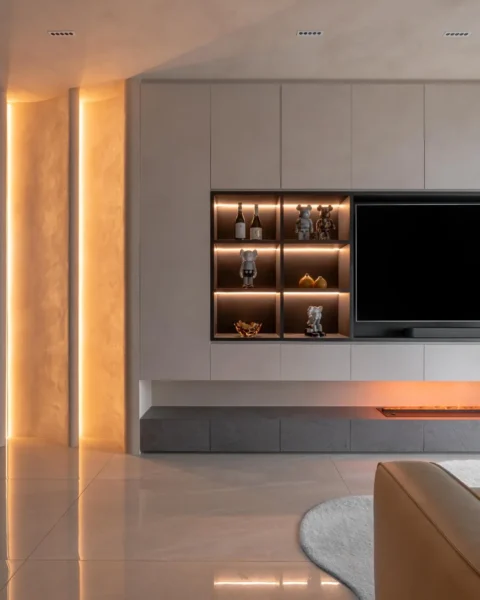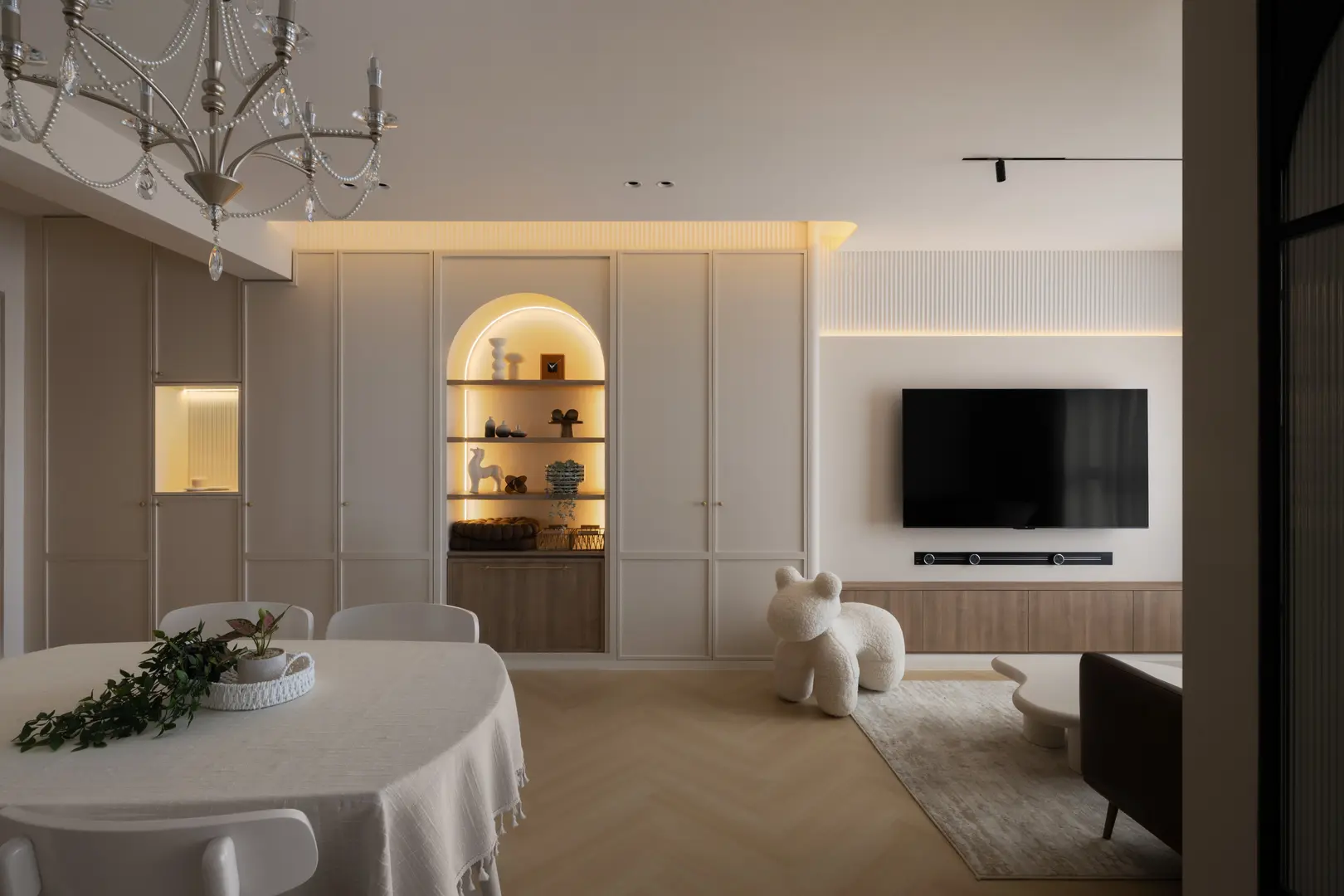
Chinese New Year has always marked a shift. Long before decorations go up or guests arrive, many of us instinctively start looking around our homes and noticing what feels tired, cluttered, or no longer quite right.
In 2026, the Year of the Fire Horse brings a sense of vitality, momentum, and renewed confidence. It is an ideal time to refresh your living space through thoughtful design choices that support clarity, comfort, and movement.
Rather than bold colours or dramatic transformations, this year’s focus is better placed on layout, flow, light, and warmth through materials and textures.
Feng Shui as a Design Philosophy
This is where Feng Shui and interior design intersect. Feng Shui is often misunderstood as a set of rules or symbolic objects, but at its core, it aligns closely with good design thinking. Both prioritise how people move, live, and feel within a space.
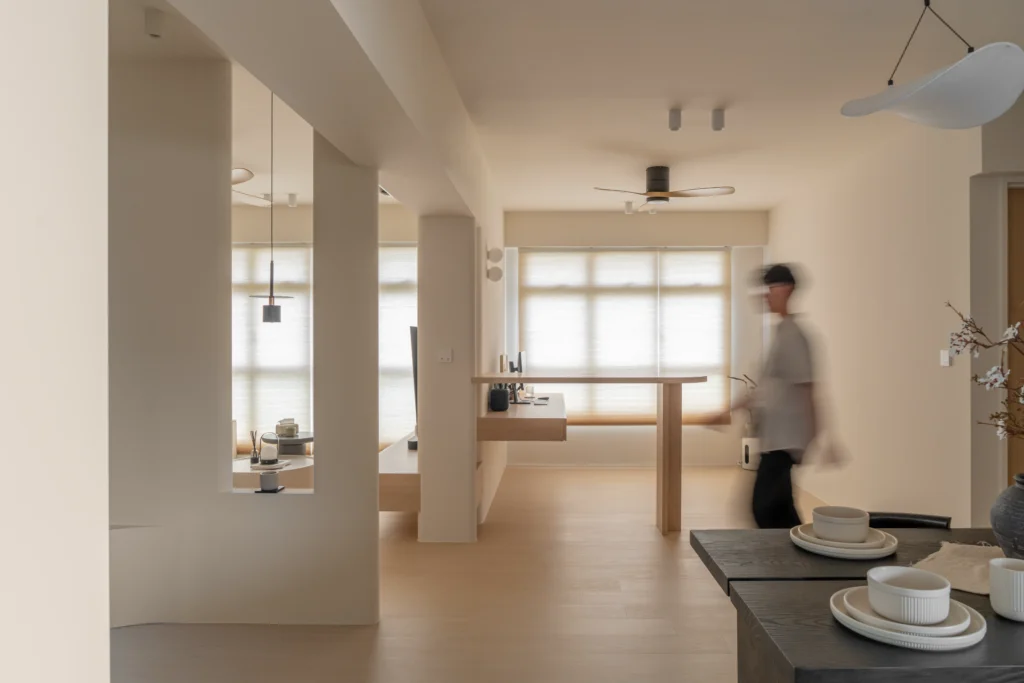
A home that feels open, well lit, and intuitive to navigate naturally supports positive energy, whether or not it is labelled as Feng Shui. For Chinese New Year, the emphasis is not on adding more, but on refining what already exists. Small, intentional changes can significantly shift the atmosphere of a home.
Below are 9 key design actions that translate Feng Shui principles into modern renovation and interior design decisions.
1. Clearing the Old Through Design, Not Just Decluttering
Before the festival, many households clean their homes to symbolically clear away old energy. From a design perspective, this goes beyond tidying visible surfaces.
Smart storage solutions are one of the most effective long term strategies. Built in cabinetry, concealed storage, and well planned wardrobes make daily organisation easier. When items have a designated place, spaces feel calmer and more breathable

This turns decluttering into a permanent design approach rather than a seasonal task. It also reflects Feng Shui principles that emphasise clarity and unobstructed movement throughout the home.
2. Rebalancing Spatial Flow Through Layout Planning
Good Feng Shui often begins with how you move through a space.
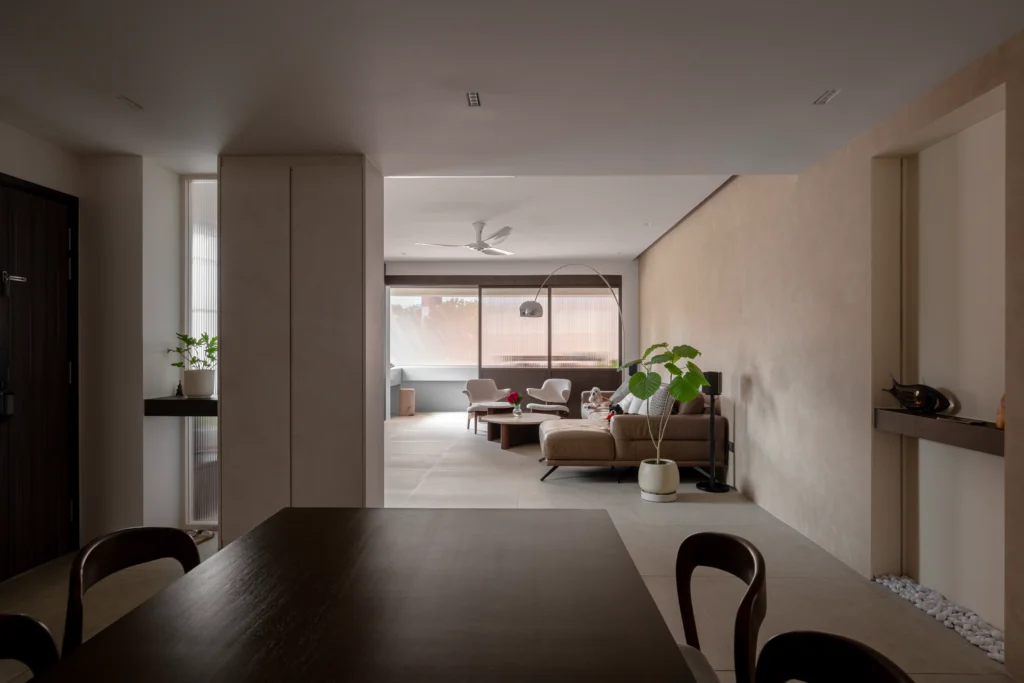
Living and dining areas tend to become the heart of the home during Chinese New Year gatherings. Clear circulation paths, comfortable seating distances, and open sightlines help spaces feel welcoming rather than congested.
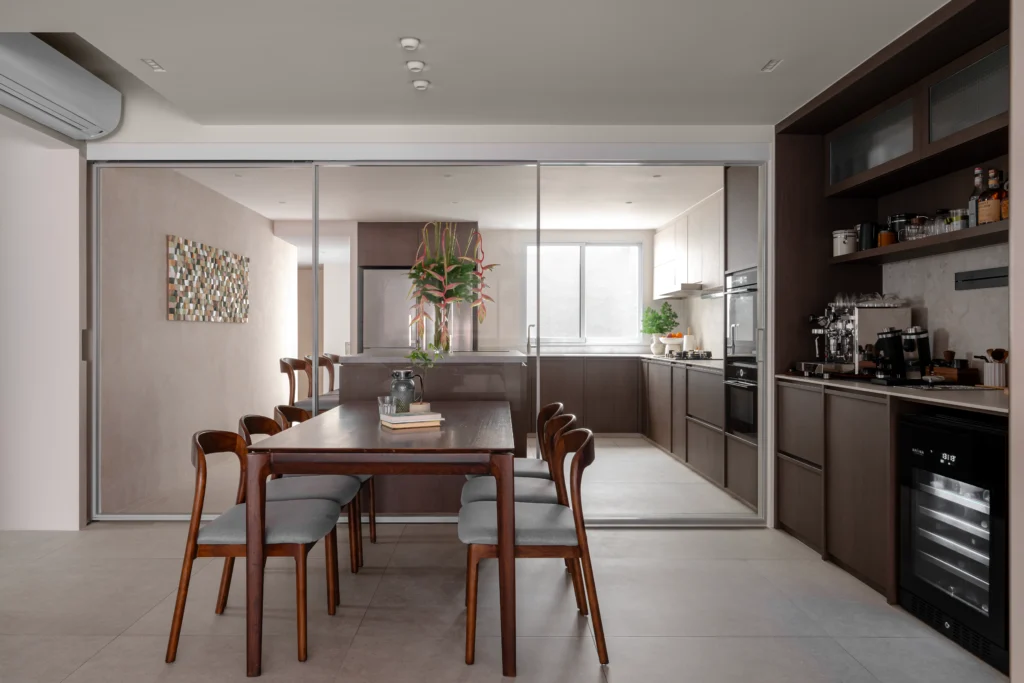
From a renovation standpoint, this may involve rethinking wall positions, widening walkways, or adjusting room proportions. In interior styling, it means furniture placement that does not block entrances, corridors, or natural light.
Layouts that feel intuitive improve how a space functions during both festive moments and everyday life.
3. Furniture Placement That Encourages Connection and Stability
Sofas positioned to encourage face to face interaction support conversation and connection. Dining tables should allow generous circulation so guests can move comfortably. Beds and desks benefit from solid backing and clear views of entrances, which contributes to a sense of stability and ease.

Flexible furniture choices such as modular seating, movable side tables, or adaptable storage allow a home to evolve with different needs. This reflects a human centred approach to design that aligns closely with Feng Shui thinking.
4. Light as a Tool for Renewal
Layered lighting creates depth and warmth without relying on bold colour. Ambient lighting softens spaces, task lighting improves functionality, and accent lighting highlights architectural features or textures.
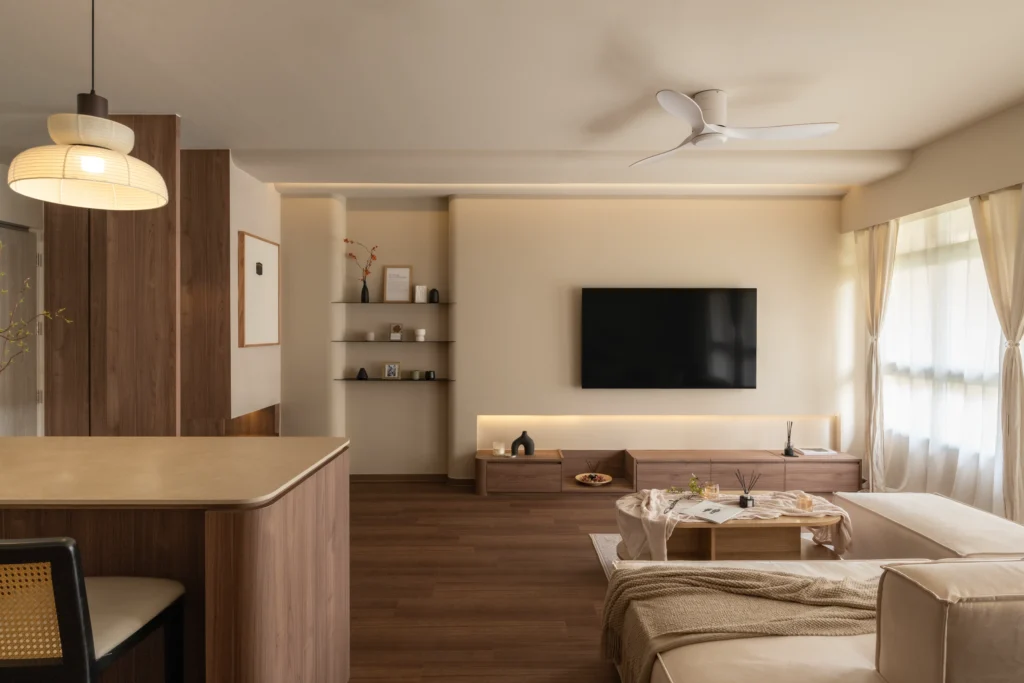
From a renovation perspective, improving window placement, enlarging openings, or upgrading lighting layouts can dramatically enhance a home. These changes support the Fire Horse energy in a refined way that feels timeless rather than trend driven.
5. Material Choices That Ground the Home
Natural wood tones, textured laminates, stone surfaces, and soft matte finishes introduce warmth and grounding. Refreshing cabinetry finishes, replacing handles, or updating surface materials can signal renewal without the need for a full overhaul.
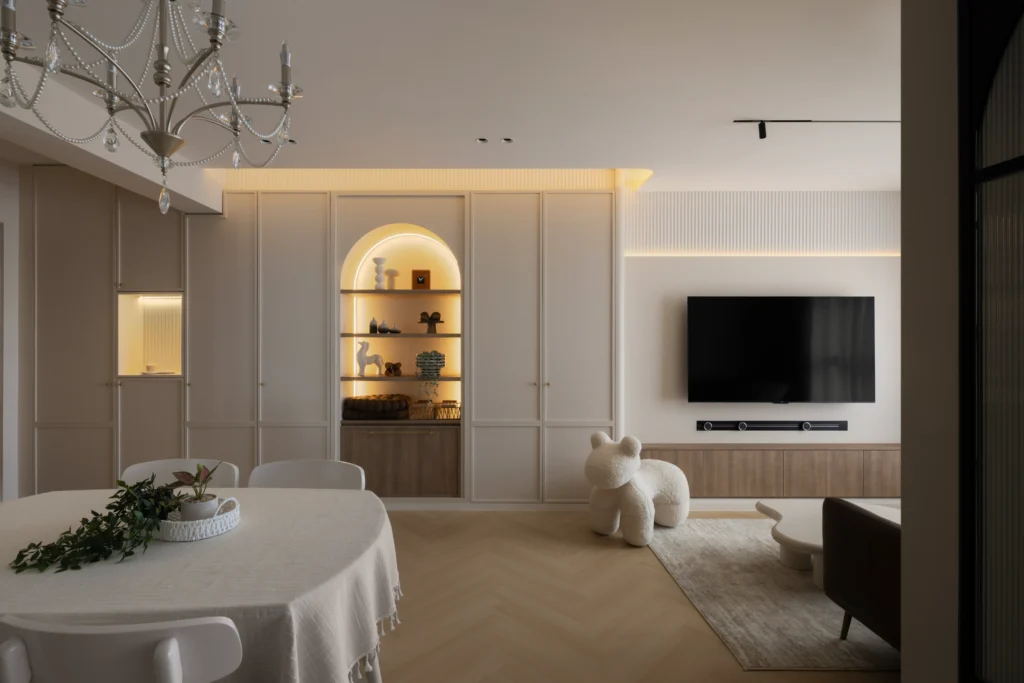
These material updates align with Feng Shui principles by creating balance and sensory comfort while remaining firmly rooted in modern design language.
6. Using Colour With Intention
Red and gold are traditionally associated with Chinese New Year, but a restrained approach often produces a more elegant result.

Warm neutrals, soft browns, muted terracotta, and natural wood finishes create a calm base. From there, deeper warm tones can be introduced through cushions, artwork, or decor accents.

When colour is integrated thoughtfully into the overall design palette, it feels intentional and enduring rather than seasonal.
7. Greenery as a Living Design Element
Plants symbolise growth and vitality and remain one of the simplest ways to refresh a space. Rather than treating greenery as decoration, consider it part of the spatial composition. Larger plants help anchor living areas and soften architectural lines. Smaller plants work well in entryways, corridors, and near windows to bring life into transitional zones.

8. Optimise Circulation With Hidden Renovation Tweaks
Adjust Threshold Heights
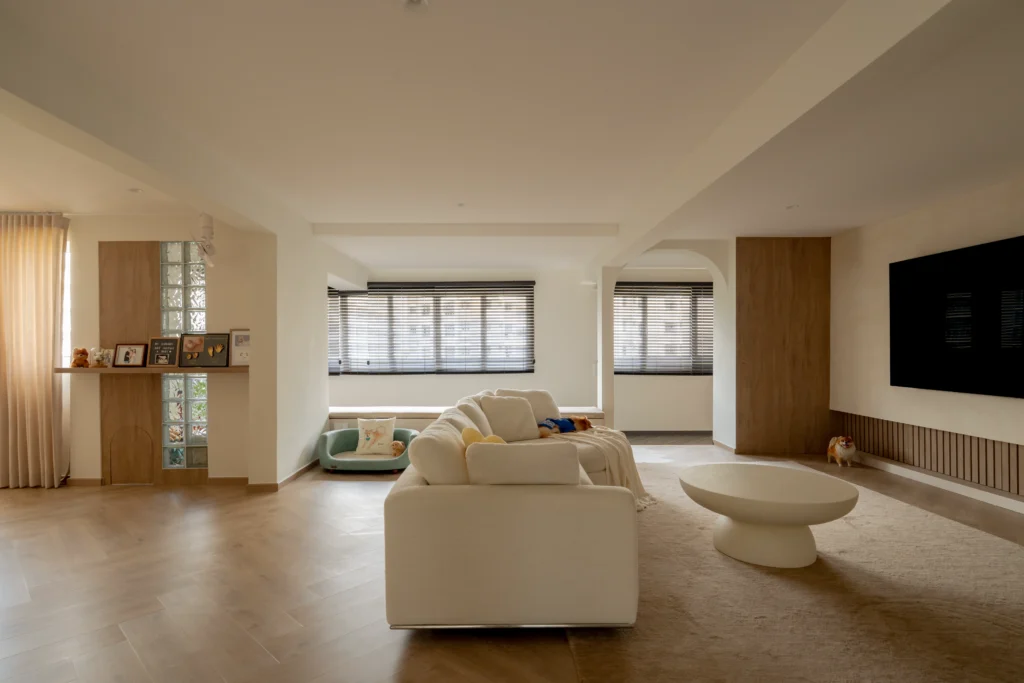
Thresholds that are uneven or too high can disrupt both physical and energetic flow. Lowering thresholds or using flush transitions between rooms creates seamless movement, while sloped or stepped transitions can guide circulation naturally. Professionals often pair these tweaks with lighting to highlight pathways.
Introduce Angled Circulation Paths
Straight lines can sometimes create rigid energy. Designers often introduce gentle angles in corridors, open-plan layouts, or entryways to create a sense of motion. Even a slight offset or staggered alignment encourages dynamic flow, making spaces feel alive rather than static.
Layered Guidance Through Texture
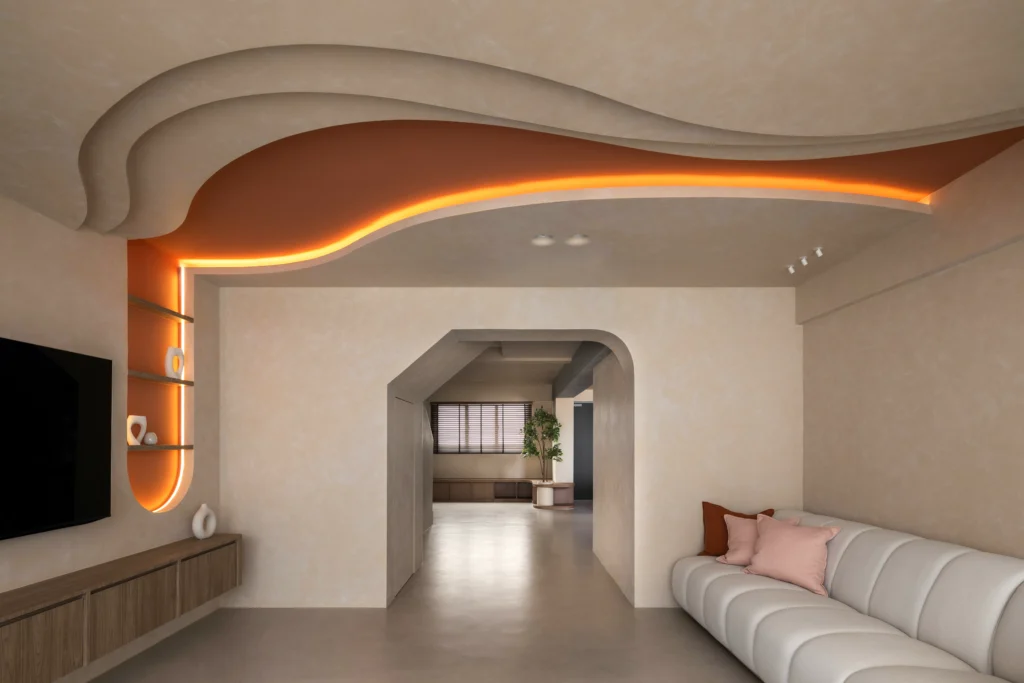
Floor textures and changes in ceiling height can signal paths through a home. A runner rug or ceiling downlight path can guide people visually and functionally, while reinforcing natural Feng Shui flow.
9. Styling Festive Elements
Traditional Chinese New Year decorations can sit beautifully within modern interiors when styled with intention. This is how:
Spring Festival Couplets
Place couplets neatly on door frames or feature walls, ensuring alignment and clear surroundings so they remain visually impactful.
Lanterns
Use lanterns sparingly. One or two placed in entryways, dining areas, or balconies is often more effective than multiple displays. Select colours and materials that complement your interior palette.
Auspicious Plants
Kumquat trees, lucky bamboo, or flowering plants work best as focal points. Keep nearby surfaces simple so the arrangement feels deliberate.
Chinese New Year is ultimately about preparing for what lies ahead. Through considered spatial planning, thoughtful material choices, and intentional layouts, homes can support both renewal and continuity.
If you are considering layout changes, renovation updates, or a more design led approach to Feng Shui inspired interiors for the year ahead, our team is here to help. We believe in creating spaces that feel calm and uplifting long after the festivities end.