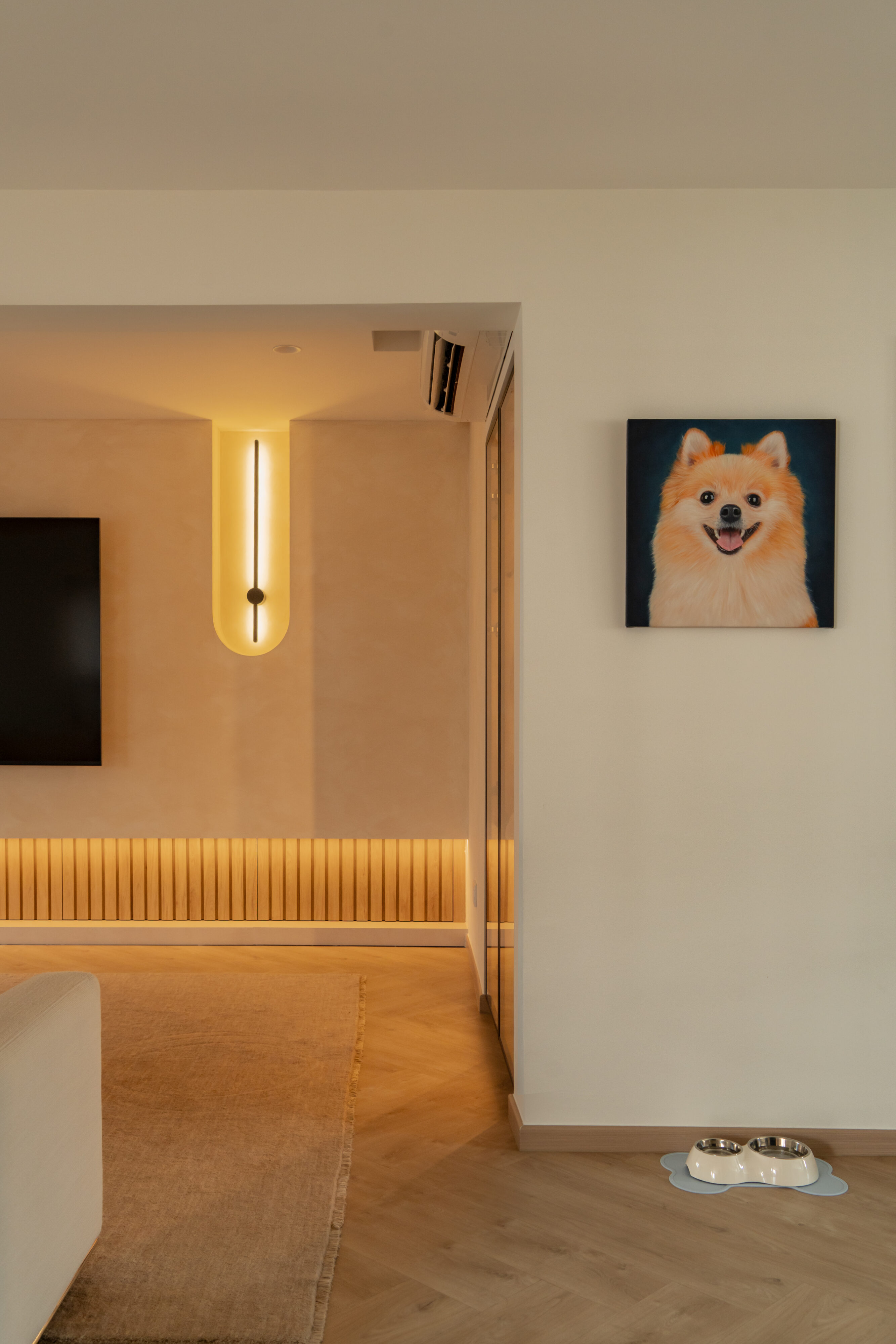
Key Takeaways:
- Plan flow first, then use multi-functional furniture and vertical/hidden storage to make small condos live larger without clutter. Evidence consistently ties space planning and multi-use pieces to better function in compact homes.
- Light and colour do heavy lifting: layered lighting (ambient/task/accent) plus lighter, low-saturation hues and mirrors can increase perceived spaciousness and usability.
- Smart-home upgrades improve day-to-day convenience but don’t guarantee a resale premium in Singapore; they may appeal to certain buyers, yet market data and agent commentary suggest no automatic value lift.
Singapore’s urban landscape is defined by its towering condominiums, where homeowners face the unique challenge of creating beautiful, functional living spaces within increasingly compact units. Compact condo interior design Singapore has become an art form that balances aesthetic appeal with practical functionality, transforming limited square footage into stunning sanctuaries.
The challenges of compact condo living in Singapore are multifaceted. Space constraints top the list, as most condos offer between 450 to 800 square feet of living space. Beyond physical limitations, homeowners must navigate functionality requirements while maintaining visual appeal. The key lies in understanding that small spaces don’t have to mean compromised style or comfort when approached with strategic interior design principles.
Modern compact condo interior design Singapore focuses on maximizing every inch through clever spatial planning, multipurpose solutions, and thoughtful material choices. This approach transforms potential limitations into opportunities for creative expression and efficient living.
Why Compact Condo Interior Design Matters
Singapore’s property market has witnessed a significant shift toward smaller residential units over the past decade. According to recent housing trends, new condominium developments increasingly feature compact layouts to address affordability concerns and land scarcity. This evolution makes smart interior design more crucial than ever.
Space maximization isn’t merely about fitting more furniture into a room—it’s about creating an efficient layout that enhances daily living experiences. Well-executed compact interior design can make a 500-square-foot condo feel as spacious and comfortable as a much larger unit. The key lies in understanding Singapore condo trends that prioritize functionality without sacrificing aesthetics.
Effective compact design also impacts property value significantly. A thoughtfully designed small condo often commands higher rental yields and resale values compared to poorly planned larger spaces. This makes intelligent interior design an investment in both lifestyle quality and financial returns.
The growing emphasis on sustainable living further reinforces the importance of maximizing existing spaces rather than expanding footprints. Smart compact design aligns with environmental consciousness while addressing practical living needs.
Core Principles of Designing Small Condos
Successful compact condo interior design Singapore relies on four foundational strategies that transform spatial limitations into design opportunities.
Minimalism forms the cornerstone of effective small space design.
This doesn’t mean stark or empty spaces, but rather intentional curation of elements that serve both functional and aesthetic purposes. Every piece of furniture, décor item, and design element should justify its presence through utility or visual impact. (See also our take on) clean geometric forms.
Multipurpose furniture revolutionizes space utilization by serving multiple functions simultaneously.
Storage ottomans double as seating and coffee tables, while dining tables can transform into workspace surfaces. This approach reduces furniture quantity while increasing functionality, creating more open floor space for movement and activities.
Clever storage solutions address one of the biggest challenges in compact living: organization.
Built-in storage, vertical wall systems, and hidden compartments maximize storage capacity without cluttering living areas. The goal is creating designated spaces for every belonging while maintaining clean, uncluttered surfaces. (Explore our favourite) space-saving ideas.
Natural light optimization creates the illusion of expanded space while improving overall ambiance.
Strategic mirror placement, light-colored surfaces, and unobstructed windows work together to reflect and amplify available light, making compact spaces feel larger and more inviting.
These principles work synergistically, with each element supporting and enhancing the others to create cohesive, functional living environments that feel significantly larger than their actual square footage.
Room-by-Room Compact Condo Design Tips
Living Room Solutions (showcase project image)
The living room serves as the heart of most compact condos, often combining entertainment, relaxation, and social functions within a single space. Compact living room design requires strategic furniture selection and spatial planning to accommodate multiple activities without feeling cramped.
Modular sofas offer exceptional flexibility in compact living rooms. These sectional pieces can be reconfigured based on specific needs, from intimate seating arrangements for two to larger configurations for entertaining guests. When not needed, individual modules can serve as additional seating in other areas or be stored away entirely.
Living room storage solutions should be integrated seamlessly into the design aesthetic. Floating shelves along walls provide display and storage space without occupying floor area. Coffee tables with built-in storage compartments hide remote controls, magazines, and other living room essentials while maintaining clean surfaces.
Open layouts connecting living rooms to adjacent spaces create visual flow and perceived spaciousness. Removing non-load-bearing walls or using half-height dividers maintains spatial connection while defining functional zones. This approach allows natural light to penetrate deeper into the unit while creating more flexible use patterns.
Strategic furniture placement away from walls can actually make rooms feel larger by creating defined pathways and visual breathing room. This counterintuitive approach works particularly well with smaller-scale furniture pieces that don’t overwhelm the space.

Bedroom Maximization (showcase project image)
Small bedroom design focuses on creating restful environments while maximizing storage and functionality within limited square footage. The bedroom often doubles as a dressing area, study space, or reading nook in compact condos.
Built-in wardrobes represent one of the most effective space-saving investments for compact bedrooms. Floor-to-ceiling designs maximize vertical storage while creating clean, streamlined aesthetics. Internal organization systems with adjustable shelving and specialized compartments accommodate various clothing and accessory types efficiently.
Storage beds with hydraulic lifting mechanisms reveal spacious compartments beneath the mattress, perfect for storing seasonal bedding, out-of-season clothing, or rarely used items. This solution eliminates the need for additional storage furniture while maintaining bedroom aesthetics.
Mirrored panels strategically placed on wardrobe doors or accent walls create the illusion of doubled space while serving practical functions for dressing and grooming. Large mirrors reflect available light throughout the room, enhancing brightness and perceived spaciousness.
Elevated bed designs free up valuable floor space beneath for study areas, storage solutions, or relaxation zones. This approach works particularly well in condos with high ceilings, creating distinct functional levels within a single room.

Kitchen and Dining Tips (showcase project image)
Compact kitchen design requires careful balance between functionality and spatial efficiency. Most Singapore condos feature galley or L-shaped kitchen layouts that demand strategic planning to accommodate cooking, preparation, and storage needs.
Slimline cabinets maximize storage capacity while maintaining necessary walkway widths. Pull-out drawers and rotating corner mechanisms ensure every inch of cabinet space remains accessible and functional. Vertical storage solutions, including ceiling-height cabinets and magnetic strips for knives and utensils, free up valuable counter space.
Small space dining often requires creative solutions that don’t permanently occupy floor space. Folding dining tables attached to walls can be deployed when needed and stored flat against walls when not in use. Breakfast bars extending from kitchen islands or peninsulas provide casual dining options without requiring dedicated dining areas.
Built-in dining solutions integrate seating and table surfaces into architectural elements. Banquette seating with built-in storage beneath creates cozy dining nooks while serving dual purposes. These fixed elements often make better use of corner spaces that might otherwise remain underutilized.
Counter space multiplication through cutting boards that extend over sinks or slide-out work surfaces creates additional preparation areas when needed. These solutions maintain clean aesthetics while providing functional flexibility for serious cooking endeavors.

Bathroom and Utility Spaces (showcase project image)
Compact bathroom design focuses on essential functions while creating the illusion of spaciousness through careful material and fixture selection. Most Singapore condo bathrooms measure between 25 to 40 square feet, requiring every element to serve specific purposes.
Floating vanities create visual lightness while providing storage for toiletries and bathroom essentials. Wall-mounted designs free up floor space for cleaning and movement while contributing to streamlined aesthetics. Built-in storage within vanity designs maximizes organization potential.
Wall storage systems utilize vertical space effectively without encroaching on limited floor areas. Recessed medicine cabinets, corner shelving units, and over-toilet storage cabinets provide designated spaces for bathroom necessities while maintaining clean wall surfaces.
Glass panels for shower enclosures maintain visual continuity throughout bathroom spaces, preventing the visual fragmentation that solid partitions create. Clear glass allows light to flow freely while creating seamless transitions between different functional zones.
Strategic lighting design enhances perceived spaciousness while ensuring adequate illumination for grooming tasks. Backlit mirrors, recessed ceiling fixtures, and LED strip lighting create layered illumination that eliminates shadows and enhances the overall spatial experience.

Smart, Seamless Living for Compact Condos
Smart features can make a small footprint work far harder—without visual clutter. Start with a connected-home hub that centralises routines; layer in adaptive lighting scenes to transition from focus to wind-down; add scene-ready wall controls so a single press dims pendants, starts the fan and cues the media nook; and finish with biometric door hardware for key-free access and better peace of mind.
Interior Design Themes for Compact Condos
Popular interior design themes for compact condos prioritize clean lines, functional furniture, and cohesive color schemes that enhance spatial perception while reflecting personal style preferences.

Scandinavian design emphasizes simplicity, functionality, and connection to natural elements.
Light wood tones, white and neutral color palettes, and minimalist furniture create bright, airy environments that feel larger than their actual dimensions. This style incorporates cozy textiles and natural materials to prevent sterile aesthetics while maintaining spatial openness.
Modern Minimalist approaches focus on essential elements with maximum impact.
Monochromatic color schemes and carefully curated accessories create sophisticated environments without visual clutter. This theme works exceptionally well in compact spaces by eliminating unnecessary decorative elements while emphasizing architectural features.
Contemporary Luxe brings elegance to compact spaces through rich materials, sophisticated color palettes, and statement pieces.
Metallic accents, plush textiles, and dramatic lighting create upscale atmospheres without overwhelming small spaces. Strategic use of luxury materials in key areas creates focal points that draw attention away from spatial limitations. (Prefer a cleaner look? Explore) modern-contemporary directions.
Japandi combines Japanese minimalism with Scandinavian functionality, creating serene environments that emphasize natural materials and mindful living.
This condo style trend incorporates warm wood tones, neutral textiles, and carefully selected accessories that serve both functional and aesthetic purposes. The philosophy of “less is more” aligns perfectly with compact living requirements—see a Japan-meets-Nordic blend in action.
Each theme can be adapted to various space constraints while maintaining characteristic elements that define the style. The key lies in selecting signature elements rather than attempting to incorporate every aspect of a particular design approach.
Space-Enhancing Colour Schemes and Materials
Colours for small condos play a crucial role in spatial perception, with strategic palette selection creating the illusion of expanded dimensions and enhanced natural light distribution.
Neutral color palettes form the foundation of most successful compact condo designs. Whites, creams, and light grays reflect maximum light while creating seamless transitions between different areas. These base colors provide flexibility for introducing accent colors through accessories, artwork, and textiles without overwhelming limited spaces.
Monochromatic schemes using varying shades of single colors create visual continuity while adding depth and interest. Light blues, soft greens, and warm beiges work particularly well as primary colors, with darker or lighter variations providing subtle contrast and definition.
Space-enhancing materials contribute significantly to perceived spaciousness through reflective properties and visual weight. High-gloss surfaces, metallic accents, and glass elements bounce light throughout spaces while creating sophisticated aesthetics. These materials should be balanced with matte finishes to prevent overwhelming reflectivity.
Natural materials like light wood tones and natural stone add warmth and texture without visual heaviness. These elements ground spaces and prevent the sterile appearance that excessive use of reflective materials can create. Strategic incorporation of natural elements creates inviting environments that feel both spacious and comfortable.
Continuous flooring throughout open-plan areas eliminates visual breaks that fragment spaces. Large-format tiles, light-colored hardwood, or luxury vinyl planks create uninterrupted surfaces that enhance spatial flow and perceived dimensions.
Storage Solutions & Organizational Hacks
Condo storage solutions must maximize every available inch while maintaining accessibility and aesthetic appeal. Effective organization systems prevent clutter accumulation that can quickly overwhelm compact spaces.
Built-in shelving systems custom-designed for specific spaces optimize storage capacity while creating architectural interest. Floor-to-ceiling designs utilize vertical space effectively, while integrated lighting highlights displayed items and contributes to ambient illumination.
Vertical storage approaches transform wall surfaces into functional elements. Track systems with adjustable shelving, modular cube organizers, and floating shelves create customizable storage that adapts to changing needs over time. These solutions keep floors clear while providing accessible storage for frequently used items.
Multi-use cabinetry serves dual purposes throughout compact condos. Kitchen islands with storage compartments, TV consoles with hidden cable management, and bedroom furniture with integrated storage maximize functionality while maintaining clean aesthetics.
Organization ideas extend beyond physical storage to include systems that maintain order over time. Designated homes for every item, regular decluttering schedules, and seasonal rotation systems prevent accumulation of unnecessary belongings that quickly overwhelm small spaces.
Hidden storage solutions conceal necessary items while maintaining streamlined appearances. Recessed wall niches, under-stair compartments, and furniture with concealed storage provide space for items that must be kept but don’t need constant access.
Common Mistakes in Compact Condo Design (showcase mistake images, emphasize the mistakes was not by Lemon Fridge)
Design mistakes in compact spaces can dramatically impact functionality and aesthetic appeal, often making spaces feel more cramped and less livable than necessary.
Overfilling represents the most frequent error in compact condo design.
The temptation to include too much furniture, décor, or storage often results in cluttered spaces that feel chaotic and cramped. Every element should serve a purpose and contribute to overall spatial harmony.
Poor layout planning fails to optimize traffic flow and functional relationships between different areas.
Furniture placement that blocks natural pathways or prevents easy access to essential functions creates daily frustration and wastes valuable space.
Inadequate lighting consideration results in dark, cramped-feeling spaces regardless of actual dimensions.
Insufficient natural light access, poor artificial lighting distribution, and failure to incorporate reflective elements prevent spaces from reaching their visual potential.
Mismatched design styles create visual chaos that makes spaces feel fragmented and smaller.
Consistent color schemes, coordinated materials, and cohesive furniture styles create harmonious environments that feel unified and spacious. (If you love heritage details, see how a) refreshed colonial touch (can still feel light.)
Ignoring vertical space represents missed opportunities for storage and visual enhancement.
Walls extending to ceilings should be utilized for storage, display, or architectural features that draw the eye upward and create perceived height.
Understanding these compact condo dos and don’ts helps homeowners avoid common pitfalls while maximizing their space’s potential through thoughtful design decisions.
Budgeting and Cost Guide for Compact Condo Makeovers
Condo interior design cost varies significantly based on renovation scope, material selections, and professional service requirements. Understanding budget allocation helps maximize impact while controlling expenses.
Basic refresh projects ranging from $15,000 to $30,000
Typically include painting, new furniture, lighting updates, and soft furnishing replacement. These projects can dramatically transform spaces without major structural modifications or utility relocations.
Mid-range renovations between $30,000 to $60,000
Often incorporate custom built-in storage, kitchen updates, bathroom modifications, and flooring replacement. These projects address both aesthetic and functional improvements while maintaining existing layouts.
Comprehensive makeovers exceeding $60,000
Include structural modifications, complete kitchen and bathroom renovations, custom millwork throughout, and high-end finishes. These projects essentially recreate spaces from scratch while maximizing every design opportunity.
Budget renovation Singapore strategies
Focus investment on elements with maximum visual and functional impact. Custom storage solutions, quality lighting, and strategic furniture pieces often provide better returns than expensive finishes or decorative elements.
Cost-saving approaches
Include retaining existing layouts when possible, selecting quality mid-range materials over luxury options, and combining professional design guidance with DIY implementation for non-technical elements.
Professional consultation, even for limited scopes, often prevents costly mistakes and ensures optimal space utilization. Interior design services typically represent 10-15% of total project costs but can result in significantly better outcomes and long-term satisfaction.
Featured Compact Condo Design Projects in Singapore
Singapore condo renovation projects demonstrate the transformative potential of strategic interior design in compact spaces, showcasing creative solutions that maximize both style and functionality.
Contemporary Minimalist Transformation: project reference and writeup
Modern Minimalist at Tanglin Halt — 646 sqft: compact footprint transformed with contemporary minimalism—clean lines, pale woods, clever storage and an open flow that lives larger than its size.
Scandinavian-Inspired Family Unit
Minimalist Scandinavian Condo at Thomson Road — 1,162 sqft: a calm, boutique-hotel take on Scandinavian minimalism with warm timber, soft greens and thoughtful built-ins tailored for family living.
Japandi Style Studio Conversion
Chic Tranquility at 58 St Patrick Road — 1,206 sqft: modern condo with clear Japandi cues—light, natural materials, muted palette and clean lines for a serene, functional flow.
Each project demonstrates key principles of successful compact design: strategic storage integration, cohesive material palettes, flexible furniture solutions, and careful attention to lighting and spatial flow
How to Choose an Interior Designer for Your Small Condo
Selecting top condo designers Singapore requires evaluation of portfolio work, design approach compatibility, and project management capabilities specific to compact space challenges.
Portfolio evaluation should focus on similar project scales and spatial constraints.
Designers experienced with compact condos understand unique challenges and proven solutions that maximize limited square footage. Look for projects demonstrating creative storage solutions, effective layout optimization, and successful style implementation within space constraints.
Design philosophy alignment ensures collaborative working relationships and satisfactory outcomes.
Some designers specialize in maximalist approaches that may not suit compact spaces, while others focus on minimalist or highly functional solutions. Initial consultations should reveal approach compatibility and communication styles.
Technical expertise in Singapore building regulations and condominium bylaws prevents costly delays and compliance issues.
Experienced interior design services understand permit requirements, structural limitations, and approved modification procedures specific to local regulations.
Project management capabilities become crucial for renovations in occupied buildings with restricted working hours and material delivery constraints.
Established designers maintain relationships with reliable contractors and suppliers familiar with condominium project requirements.
Budget transparency and detailed quotations prevent unexpected costs during project execution.
Reputable designers provide comprehensive breakdowns including design fees, furniture costs, renovation expenses, and project management charges.
Communication and timeline commitments ensure smooth project progression and realistic expectations.
Clear milestone schedules, regular progress updates, and responsive communication prevent misunderstandings and delays.
Frequently Asked Questions: Compact Condo Interior Design Singapore
How can I make my small condo look bigger?
Creating the illusion of space involves strategic use of light colors, mirrors, and continuous sight lines. Light neutral palettes reflect more light and create visual expansion, while large mirrors strategically placed to reflect natural light or interesting views can double perceived space. Removing visual barriers through open-plan layouts and using furniture that doesn’t block sight lines helps create flow and spaciousness.
What furniture works best in compact condos?
Multipurpose and modular furniture offers the best value in compact spaces. Storage ottomans, expandable dining tables, modular seating systems, and beds with built-in storage maximize functionality while minimizing space requirements. Choose pieces proportionate to room size—oversized furniture makes spaces feel cramped, while appropriately scaled pieces maintain comfortable proportions.
Which condo layout is most efficient for compact spaces?
Open-plan layouts with defined zones typically maximize space efficiency. Removing non-structural walls creates better natural light distribution and more flexible use patterns. L-shaped and galley layouts work well for kitchens, while combined living-dining areas with strategic furniture placement create multiple functional zones without physical barriers.
Can you renovate a small condo on a tight budget?
Budget-conscious renovations focus on high-impact, low-cost improvements. Fresh paint in light colors, updated lighting fixtures, strategic mirror placement, and organizational systems can transform spaces significantly. Invest in custom storage solutions and quality furniture pieces rather than expensive finishes. DIY projects for non-technical elements like painting and decorating can reduce professional service costs.
Which interior design themes suit small condos?
Minimalist themes including Scandinavian, Modern Minimalist, and Japandi work exceptionally well in compact spaces. These styles emphasize clean lines, functional furniture, and uncluttered aesthetics that enhance spatial perception. Contemporary styles can also work when carefully edited to avoid overwhelming small spaces with excessive decoration or bold patterns. (For SG-specific Nordic ideas, see) Scandinavian interiors in Singapore.
What’s the average cost for compact condo interior design in Singapore?
Interior design costs vary significantly based on scope and quality levels. Basic refresh projects start around $15,000-$30,000, while comprehensive renovations can exceed $60,000. Design consultation fees typically range from $80-$150 per hour, with full-service projects including design and project management representing 10-15% of total renovation costs. Custom storage solutions and built-in furniture represent significant portions of compact condo budgets but provide lasting value.
Conclusion: Transform Your Small Condo Into a Stylish Sanctuary
Compact condo interior design Singapore represents an opportunity to create exceptional living environments that prove size doesn’t determine style or functionality. Through strategic planning, creative solutions, and thoughtful material selection, even the smallest condos can become sophisticated sanctuaries that exceed expectations.
The benefits of professional compact condo design extend beyond aesthetic improvements to include enhanced daily living experiences, improved property values, and more efficient space utilization. Expert designers bring specialized knowledge of local regulations, proven solutions for space constraints, and access to resources that optimize both budget and timeline.
Successful compact condo transformations require understanding that limitations often inspire the most creative and satisfying solutions. Every constraint becomes an opportunity to innovate, resulting in unique spaces that reflect personal style while maximizing practical functionality.
The investment in professional interior design consultation pays dividends through avoided mistakes, optimized layouts, and access to trade resources unavailable to individual consumers. Whether pursuing complete renovations or strategic updates, expert guidance ensures maximum impact from available budgets while creating spaces that truly feel like home.
Transform your compact condo from a spatial challenge into a stylish sanctuary that demonstrates how thoughtful design can make any space feel expansive, functional, and uniquely yours. The potential lies not in square footage, but in the creative vision that maximizes every opportunity within your compact canvas.