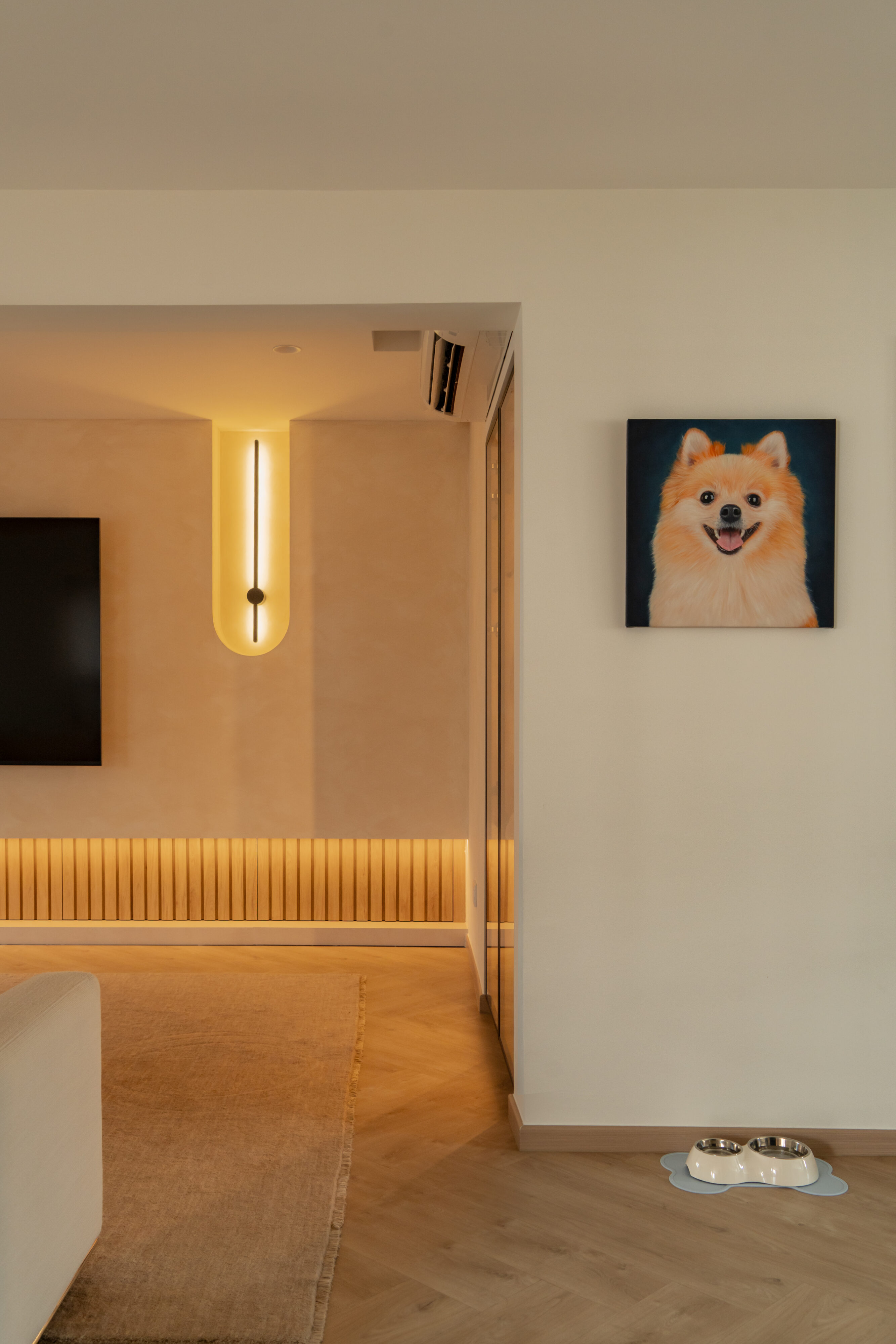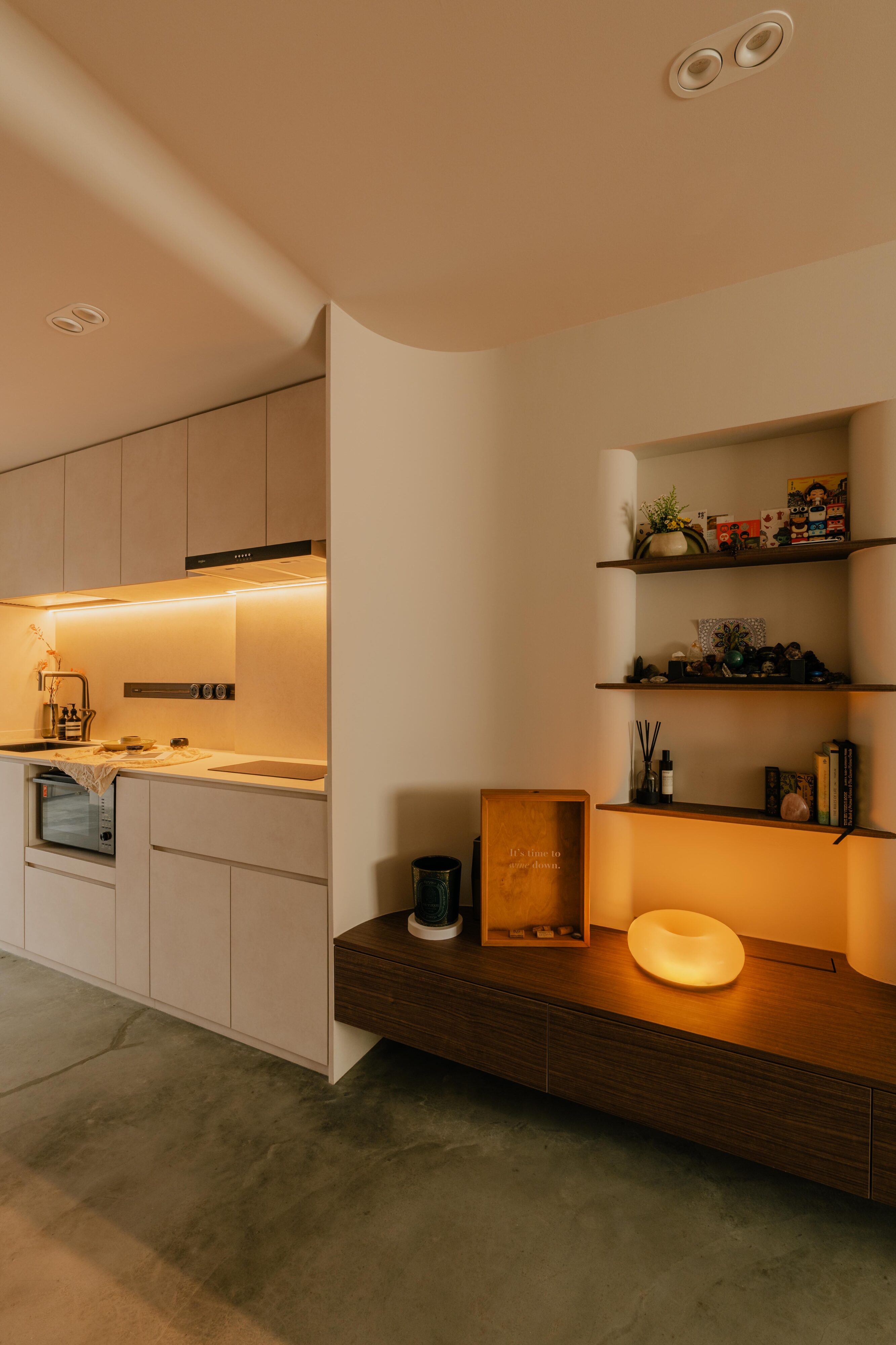
Key Takeaways:
- Comfort Meets Simplicity: Warm minimalism combines clean, clutter-free layouts with warm colors, natural textures, and inviting spaces
- Ideal for Singapore Condos: Smart furniture choices, hidden storage, and soft materials help compact homes feel larger and more comfortable.
- Natural Materials Lead the Trend: Earthy palettes, wood, linen, stone, and curved forms create a calming, timeless interior aesthetic. Pasted text.txt
Warm minimalism is the defining interior design trend of 2026, blending simplicity, comfort, and natural warmth into modern homes As a result, urban environments have become more fast-paced, and Singaporean homeowners are shifting away from cold, rigid lines and all-white palettes towards spaces that prioritize emotional well-being, comfort, and sensory richness.
This design movement transforms compact urban spaces into serene sanctuaries by blending functional simplicity with inviting, organic elements. For homeowners exploring other aesthetics, a comprehensive guide to interior design styles for Singapore homes can help clarify which look best suits their lifestyle.
What is Warm Minimalism?
Warm minimalism combines traditional minimalism with warm palettes, natural textures, and soft architectural details for cozy, functional homes. It shifts the design focus from strict aesthetic reduction to cozy comfort, ensuring a space feels lived-in yet entirely uncluttered. Rather than stripping a home down to the essentials, warm minimalism emphasizes intentional design choices that balance simplicity with warmth, creating interiors that are both calming and deeply inviting.
This philosophy proves that “less” does not have to mean “cold.” Rather than a rigid set of rules about what to eliminate, warm minimalism is a lifestyle centered on mindfulness and sensory touch. Every object left on display is chosen for its emotional resonance, craftsmanship, or tactile quality, creating an environment that calms the mind while engaging the senses.
Why Warm Minimalism is the Ultimate Choice for Interior Design in Singapore Condos
Maximizing Visual Space in Home Renovation Without Sacrificing Comfort
Singapore condominium layouts require smart spatial planning to feel open and airy. Although traditional minimalism maximized openness, it often resulted in spaces that felt sterile rather than welcoming. Warm minimalism solves this by utilizing low-profile furniture to preserve clear sightlines, which instantly creates the illusion of higher ceilings. Clean-lined furniture prevents compact spaces from feeling cramped, while warm materials create a cozy and inviting home.
Enhancing Natural Light and Ventilation
Leveraging Singapore’s abundant tropical daylight is key to mastering this aesthetic. Soft cream and beige tones gently reflect natural daylight, creating a warm, comfortable atmosphere without the harshness of stark white walls.
By strategically placing sheer linen curtains, harsh afternoon glare is diffused into a soft, ambient glow. This is complemented by matte, non-reflective surfaces that absorb and scatter light gently across the room, enhancing the natural airflow and breezy feel of the condo, much like the light-filled principles of Scandinavian interior design adapted for Singapore homes.
Core Elements of the Warm Minimalist Aesthetic
1. The Palette: Earthy Neutrals and Warm Undertones
The 2026 color landscape completely retires cool grays and stark, clinical whites. The foundation of a warm minimalist home relies on a layered mix of earthy neutrals:
| Base Shades | Accent Tones |
|---|---|
| Beige, Cream, Sand, Taupe | Terracotta, Muted Olive, Soft Ochre |
A practical way to balance colours in interior design is the 60-30-10 Rule. That means 60% should be the dominant colour, such as walls or larger furniture in beige, cream, sand, or taupe, 30% the secondary colour through upholstery or supporting walls, and 10% the accent colour through touches like terracotta, muted olive, or soft ochre. These accent colors add subtle warmth and sophistication when used sparingly in textiles, ceramics, or a single accent wall. Colour psychology influences mood, with warm tones energizing social spaces and cooler hues creating calm, relaxing environments.Digital tools and physical samples also help visualize color choices before application.
2. Tactile Materials: Bringing Nature Indoors
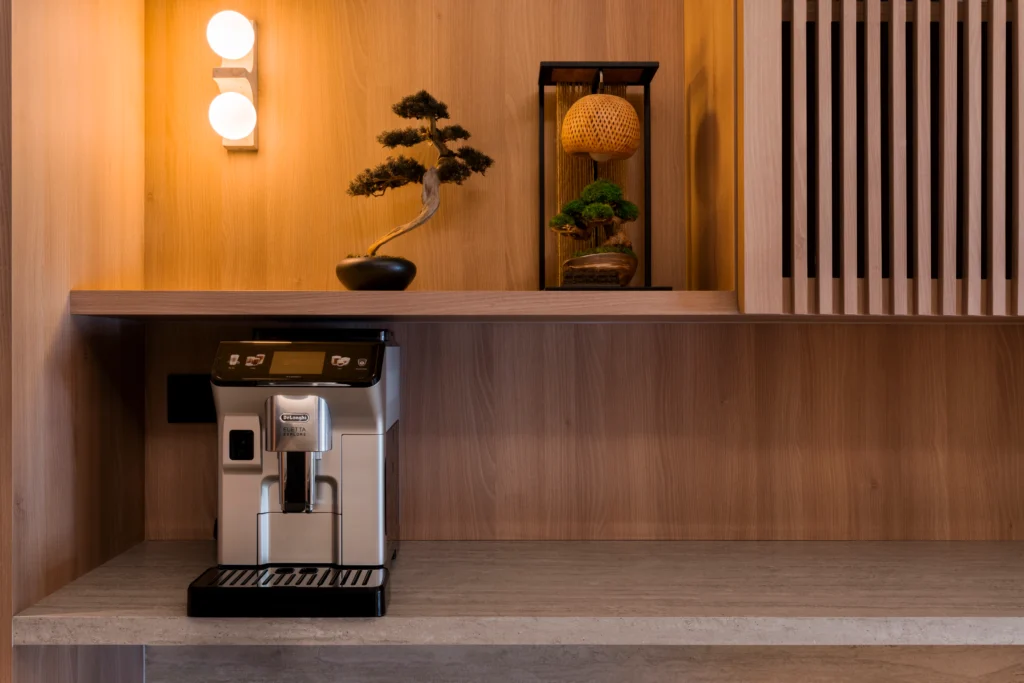
When the color palette is intentionally restrained, texture must do the heavy lifting. Incorporating natural materials is vital to keeping a minimalist room both visually rich and practical, rather than flat.
- Woods: Brushed oak and rich walnut introduce organic grain patterns.
- Textiles: Raw linen and heavy bouclé add immediate physical warmth to seating and windows.
- Stone: Matte, porous stones like travertine or limestone are favored over high-gloss marble.
Sustainable materials also reduce environmental impact in interior design. Bamboo is a popular choice for flooring, while reclaimed wood, natural fibers, and recycled materials can be used for furniture or decor. Low-VOC paints are an eco-friendly option for interior spaces.
These materials have a profound psychological impact, offering a soothing tactile grounding that helps homeowners unwind after a long workday in a concrete jungle, while high-quality materials and craftsmanship are also hallmarks of modern luxury interior design.
3. Soft Architecture: Curves and Organic Shapes
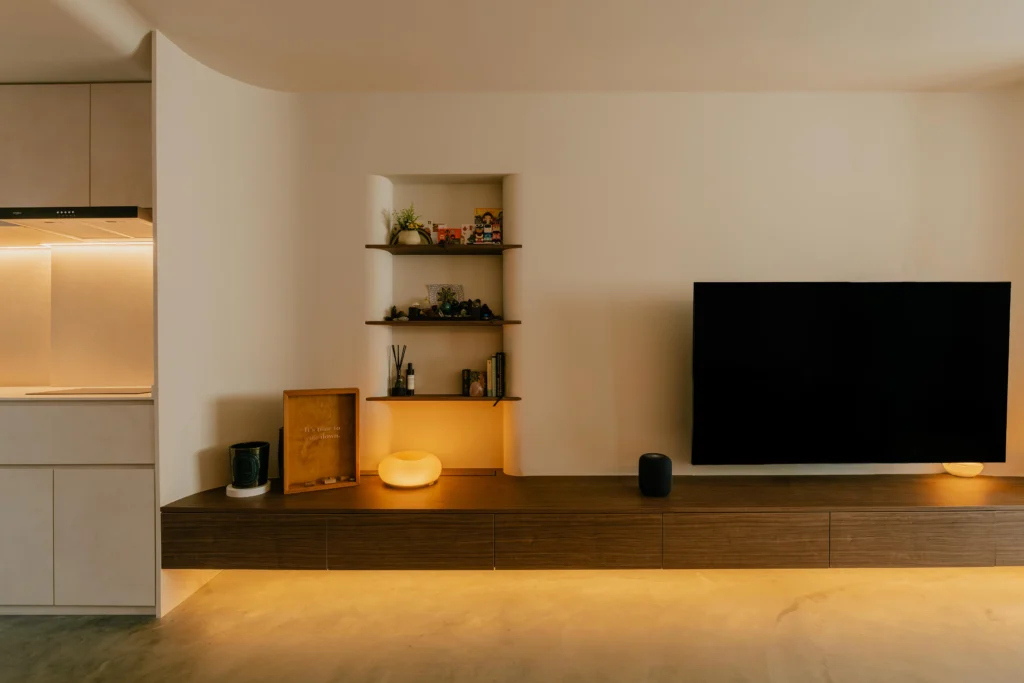
One of the most distinct shifts in 2026 interior architecture is the departure from sharp, rigid 90-degree corners. Warm minimalism embraces soft architecture through arched doorways, curved islands, and rounded furniture for a gentle, inviting aesthetic. These organic shapes soften the harsh, boxy energy inherent to concrete condo structures, guiding the eye smoothly from one zone to the next and reflect Lemonfridge Studio’s broader minimalist interior design mastery in Singapore.
4. Intentional Lighting: Layering the Ambience
Lighting in a warm minimalist home is never an afterthought, nor is it limited to basic, harsh downlights. The goal is to layer the ambience to create pockets of warmth:
- Architectural Lighting: Concealed LED strips operating at a warm 2700K to 3000K are integrated into carpentry coves, floating shelves, and valances to cast a soft, indirect glow.
- Decorative Lighting: Sculptural statement pendant lights and heavy-based floor lamps double as functional art pieces, defining localized zones of warmth within an open-concept layout.
Room-by-Room Guide: Implementing Warm Minimalism in Your Condo Renovation Process
The Living Room: A Sanctuary of Calm
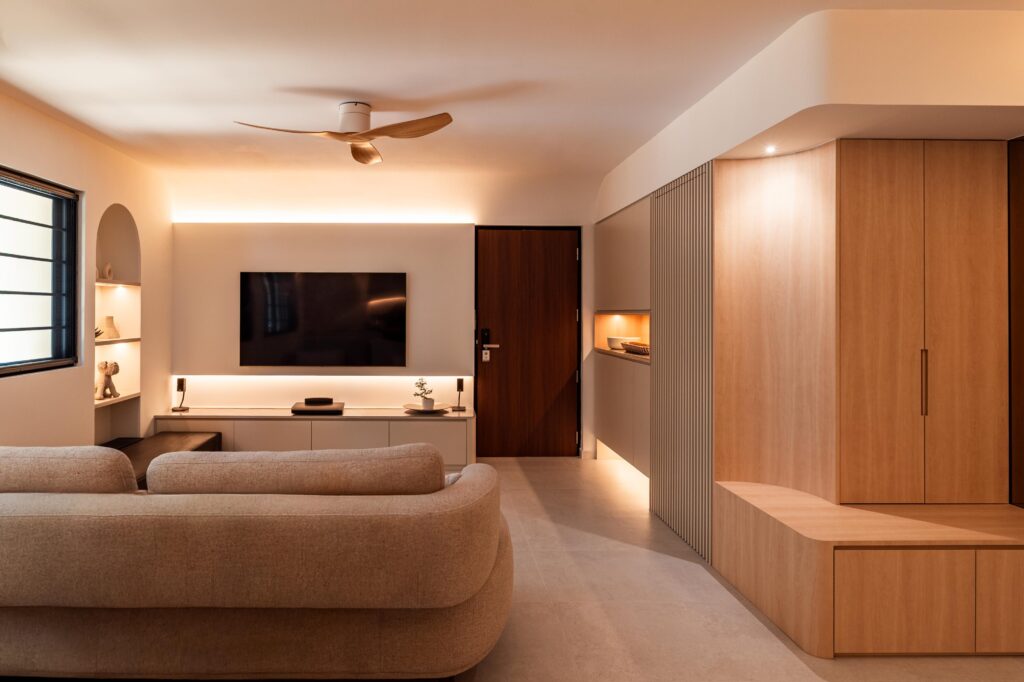
To create a tranquil living space, eliminate visual clutter by opting for a custom, floating television console featuring seamless, handle-less cabinetry to completely hide wires and media peripherals. Pair a deep, plush fabric sofa in an oatmeal hue with a solid wood coffee table that showcases a raw, natural edge. For more detailed inspiration, explore serene minimalist living room ideas in Singapore. Limit decor to a select few high-quality, artisanal ceramic vases on display, allowing the negative space around them to breathe.
The Master Bedroom: Restful Simplicity
The bedroom should be a masterclass in visual rest. Design a custom wooden platform bed with integrated under-bed storage to eliminate the need for bulky dressers. Install floor-to-ceiling textured wardrobe doors that color-match the walls perfectly, allowing them to visually disappear. Finally, focus heavily on layered bedding—combine crisp, breathable linen sheets with a waffle-weave duvet cover to create a rich, inviting texture without relying on loud patterns.
The Kitchen & Dining Space: Functional Elegance
In the heart of the home, utility meets beauty, especially in kitchens where Scandinavian-inspired kitchen design in Singapore showcases how warmth and functionality can coexist:
- Surfaces: Choose matte, anti-fingerprint laminates for cabinetry in warm stone or muted wood tones.
- Appliances: Conceal major appliances—like refrigerators and dishwashers—behind integrated carpentry panels for an uninterrupted visual flow.
- Dining: Select a clean-lined wooden dining table as the anchor piece, paired with woven rattan chairs to add an organic, airy texture to the dining area.
Balancing Functionality and Aesthetics with Interior Designers in Singapore at Lemonfridge Studio
Achieving a flawless warm minimalist home requires a delicate balance between strict spatial discipline and artistic warmth, and good interior designers also weigh function with long-term vision for how the home should feel and perform—a signature hallmark of Lemonfridge Studio, an award-winning interior design company in Singapore. Tailoring global design sensibilities to the unique layout proportions of Singaporean condominiums, Lemonfridge Studio excels at translating aesthetic ideas into a highly functional reality. Timeless classic designs are increasingly sought after in home renovation work and remain a hallmark of modern luxury interiors.
Every project begins by understanding clients’ lifestyles, preferences, and needs to create tailored, space-saving storage solutions that work effectively.
As a result, by seamlessly tucking away life’s daily clutter, the minimalist aesthetic is maintained effortlessly without sacrificing everyday practicality. When aligned with the homeowner’s lifestyle, modern luxury interiors can also incorporate smart home technology integrations.
Ready to transform your standard condo layout into a curated, warm minimalist haven? Browse Lemonfridge Studio’s interior design reviews and project showcases for inspiration, then contact Lemonfridge Studio today for a design consultation—an interior design firm in Singapore offering residential interior design services.
Frequently Asked Questions
Traditional minimalism relies on cool whites, sharp angles, and industrial metals that can feel sterile. Warm minimalism preserves clean, uncluttered spaces while introducing soft earth tones for greater warmth and comfort. It uses tactile, organic textures like wood and linen to build layered comfort.
Instead of relying on decorative knick-knacks alone, use core interior design principles to add warmth and a stronger sense of purpose. Key interior design principles include balance, harmony, rhythm, emphasis, proportion, contrast, unity, color palette, functionality, lighting, and focal points.
For example, symmetrical balance creates visual stability by matching elements on either side of a central point, while rhythm guides the eye through the repetition of colours, shapes, or patterns. Likewise, contrast introduces visual interest by combining opposing materials, tones, or forms. In warm minimalist interiors, layering different textures within the same colour family adds depth without overwhelming the space. For instance, pairing a soft bouclé sofa with a raw wood coffee table, a stone tray, and a matte clay vase creates a warm, sophisticated look that feels inviting rather than cluttered.
Yes, warm minimalism helps small homes feel larger with hidden storage, uncluttered layouts, and calming design.The heavy reliance on hidden storage and cleared surfaces removes visual weight, while light cream, sand, or beige foundation tones reflect natural daylight efficiently to make tight rooms feel much larger and breezier. Still, not everything in a renovation project goes perfectly, so planning built-ins early helps keep the overall result smooth.
Avoid harsh, bright overhead fixtures. Electrical planning matters just as much as bulb warmth, especially for concealed strip lights and outlet placement. Instead, use warm-toned LED bulbs rated between 2700K and 3000K to cast a soft, natural glow. A clear plan with qualified contractors helps the lighting job run smoothly during the renovation process. Layer lighting with concealed strip lights, floor lamps, and table lamps to create ambient zones.
You can, but they must remain low-contrast, subtle, and tone-on-tone. Instead of loud, busy prints, look for natural variations like organic stone veining, subtle geometric lines carved into a solid-color rug, or the natural imperfections found in woven fabrics and handmade ceramics. Interior designers often use subtle pattern contrast to enhance a room without disrupting the calm palette, especially in styles like Scandinavian interior design tailored for Singapore homes.