


Key Takeaways:
- Design for natural light and ventilation first; finishes come second.
- Let wood, stone and textiles carry warmth; keep storage integrated so the home stays clutter free.
- Build lighting layers (track lights, pendants, floor lamps) that adapt from workday to weekend.
Why Singapore still loves Scandinavian interior design
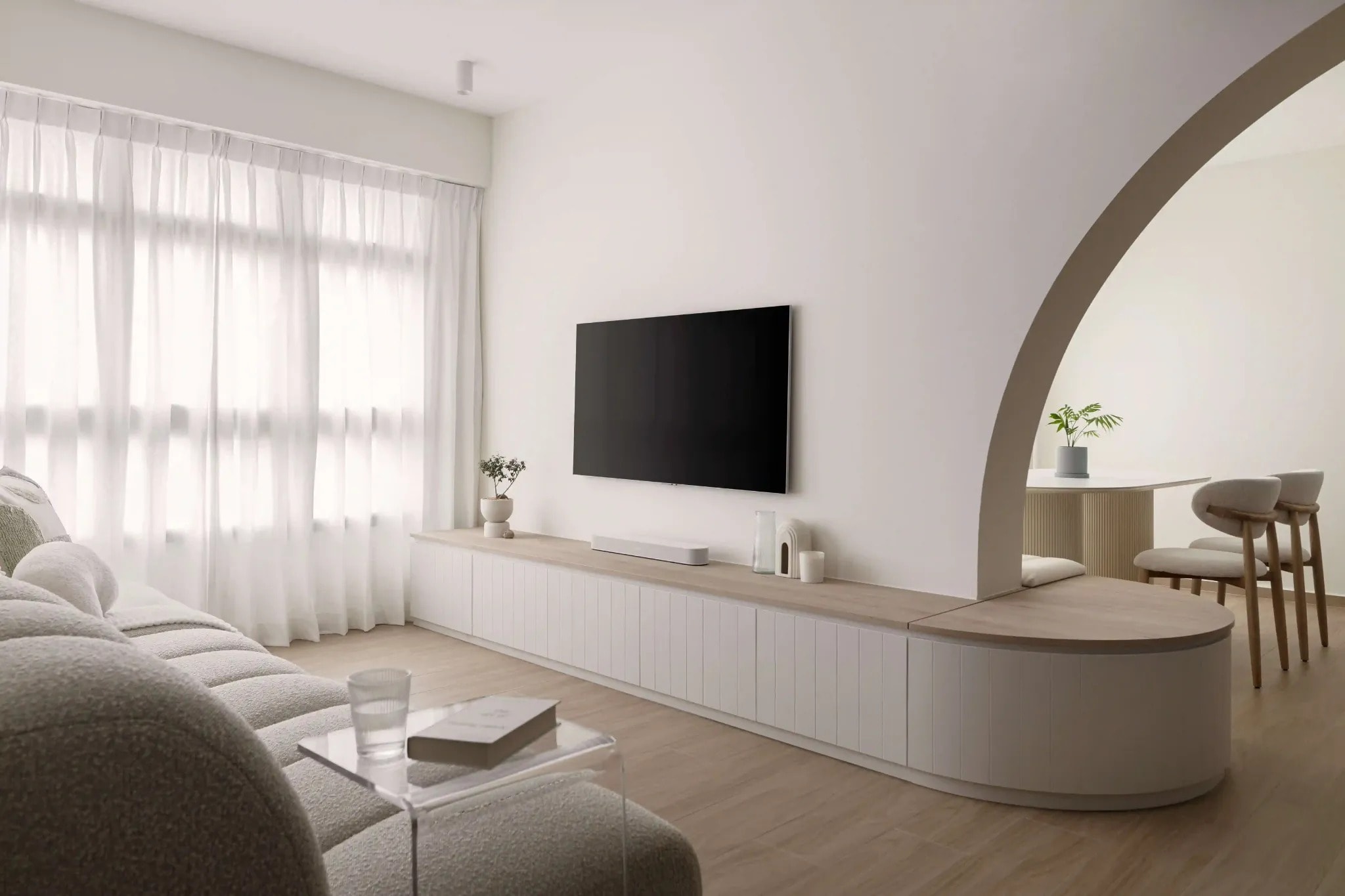
Scandinavian interior design endures because it balances simplicity with comfort, turning a living space into a sanctuary that reflects who you are. In fast-paced Singapore, many homeowners gravitate toward this design style for its clean lines, natural materials and focus on well-being. The result is a scandinavian home that feels airy, clutter free and deeply personal—ideal for BTO units, resale HDB flats, condos and landed houses. To understand the roots of this mindset, explore our perspective on Nordic design principles.Vogue
The calm of hygge: simplicity, comfort, connection
Hygge focuses on everyday life—quiet rituals like reading or sipping tea—by creating a cosy, inviting ambience. Think soft textiles, warm light and places that invite conversation. The concept encourages understated elegance and a clutter-free, functional space where unnecessary clutter is edited out with intention. This is why a scandinavian interior cultivates calm and balance in busy urban settings. Better Homes & Gardens
Climate-smart Scandi for the tropics
Our equatorial climate averages around 82% relative humidity, which shapes everything from material choice to ventilation. Designing a scandinavian house here means favouring breathable finishes, cross-ventilation and resilient surfaces that add warmth without trapping moisture. Layouts should move air naturally and protect wood where water exposure is likely. Singapore Weather Service
Natural light as a design material
Natural light is a cornerstone of scandinavian design—and a proven mood booster. A recent systematic review finds that direct sunlight inside a room can be the most restorative daylight component when glare is controlled. We therefore maximise natural light with large windows, light-coloured surfaces and sheer curtains to soften brightness while maintaining views. ScienceDirect+1
Layouts that breathe: ventilation done right
To support health and comfort, we plan for cross-flow, door undercuts and operable windows before relying on full-time cooling. Singapore guidance highlights the role of natural ventilation and mixed-mode strategies in our tropical climate. Ceiling or window fans can enhance air-exchange and keep interiors comfortable while preserving the quiet clarity of minimalist design. BCA Corp+1
Palette: neutral hues that add warmth
The scandinavian theme favours neutral colours—whites, greys and earth tones—that bounce light and calm the eye. In 2025, warmer neutrals and muted tones feel especially welcoming. If you’re choosing paint, browse ourcolour strategies in this guide to a Scandinavian palette that stays soft, not sterile.The Spruce
Materials that ground the home: wood and stone
Wood remains the signature material of scandinavian interiors. Peer-reviewed work shows wooden interior materials have mostly positive or neutral effects on indoor environmental quality and occupant emotion (with VOCs manageable via finish selection). We pair light oak, ash or engineered hardwood flooring with stone to add warmth, texture and longevity—perfect for a scandinavian look in humid Singapore and evocative of landscapes across Nordic countries. SpringerLink
Texture with restraint: limewash, microcement, gentle sheen
Walls with depth—not gloss—are central to a serene scandinavian interior. Limewash and microcement deliver matte, tactile texture that complements natural elements and soft light. Current finish roundups spotlight organic, nature-inspired surfaces as an elevated update to the scandinavian interior design style—beautiful, practical, and easy to maintain. ROMABIO+1
Furniture: clean lines, rounded edges and comfort
In a scandinavian home, furniture sits low and light so sightlines stay open and the room feels airy. We balance straight lines and rounded edges for circulation, choosing wood furniture and wooden furniture that add warmth without bulk. Every coffee table, dining table or storage bench is chosen for form and function—beauty that works hard—while joinery maintains clean and straight lines.
Lighting layers: from track lights to floor lamps
Scandinavian interiors thrive on layered lighting that mimics daylight. We combine track lights for flexible task zones, soft pendants over the dining table, and floor lamps to add warmth in the evening. For room-by-room tactics, see our guidance on lighting the Scandi way.
Storage space that disappears
Clutter kills the scandinavian style. We integrate storage space into the architecture—slim wardrobes, concealed media walls and bench seating with lift-up compartments—so the overall aesthetic remains calm. If you’re streamlining a compact flat, start with our approach to Scandinavian minimalism.
Living room ideas that add warmth without bulk
A Scandinavian living room privileges natural light, neutral hues and tactile layers. Choose a slim sofa, a rounded coffee table and a low console with clean lines. Add potted plants and a textured rug to ground the living space, then finish with sheer curtains to soften the sun. Dive deeper with our playbook for a light, uncluttered Scandi living room.
Dining made social and serene
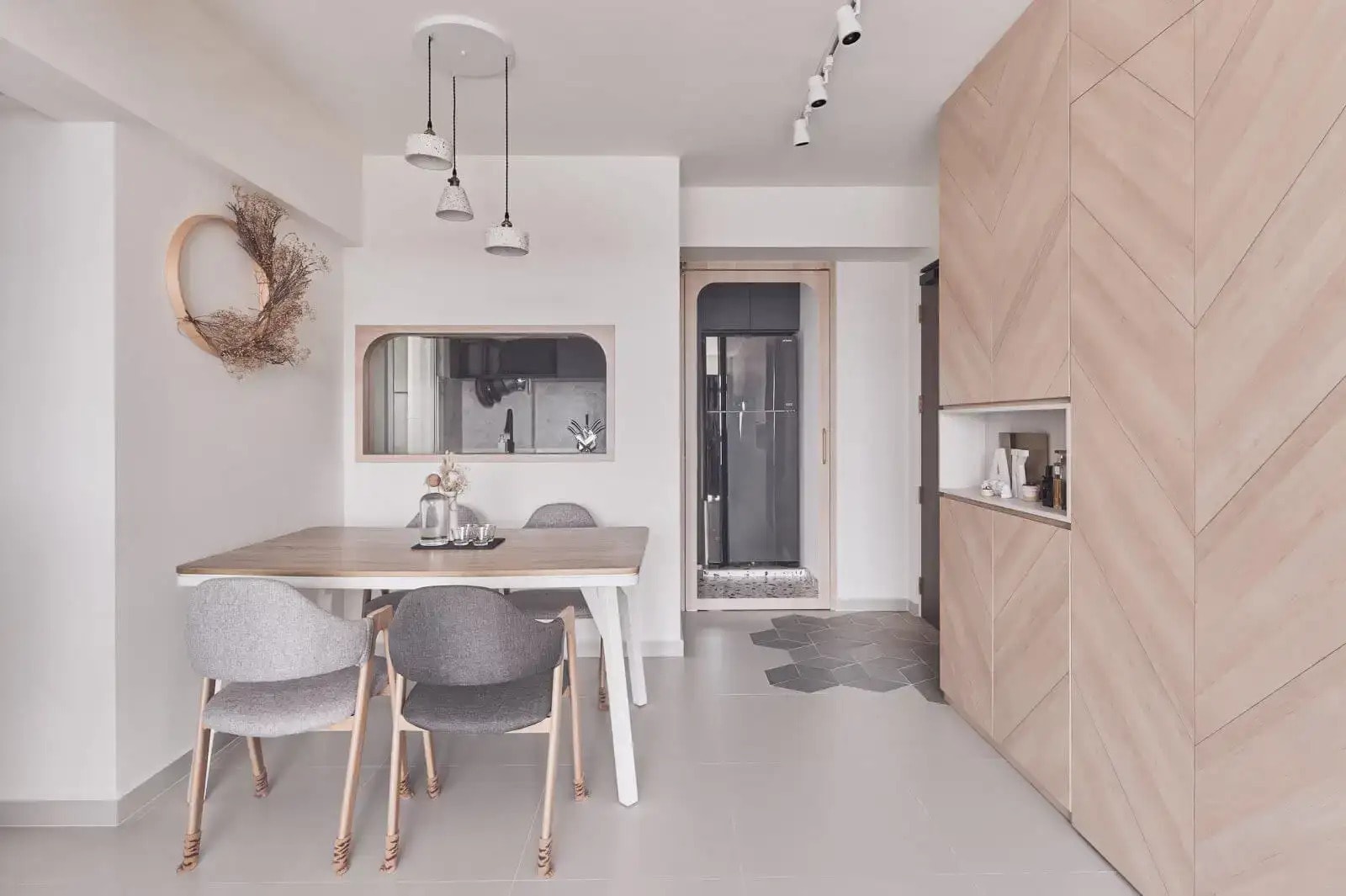
The dining table anchors the scandinavian house as a place of togetherness. Opt for light wood, soft-edged chairs and pendant lighting that pools warm light on meals. A narrow sideboard provides discreet storage for serveware so the space stays clutter free and serene even in compact layouts—an elegant solution for modern homes.
A kitchen that works beautifully
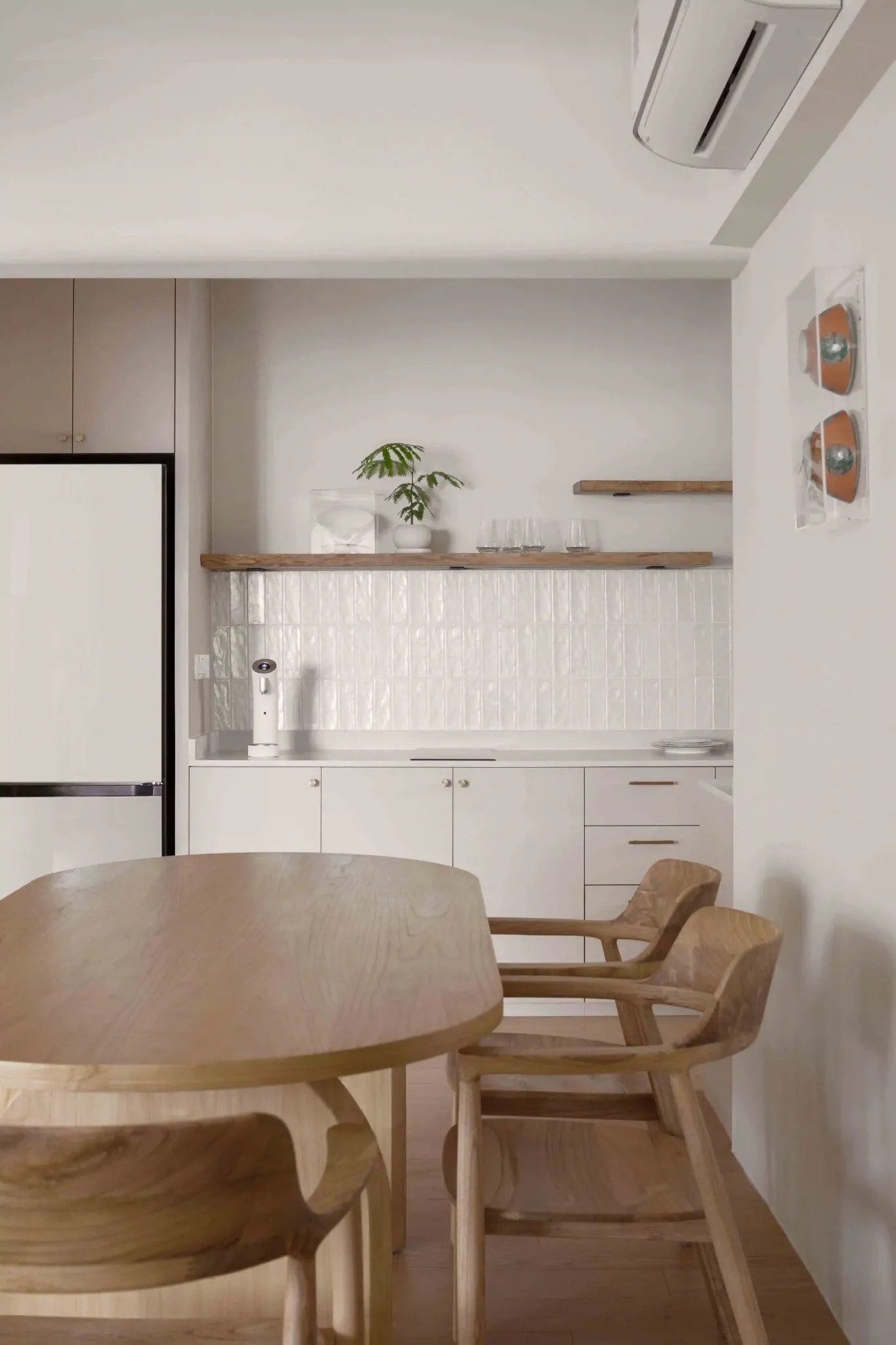
Scandinavian kitchen interior design prioritises workflow and durability. Matte fronts, quartz counters and open shelves keep things practical while natural materials and clean lines maintain the scandinavian theme. Timber accents, task lighting and indoor plants add life without visual clutter—see how we plan a Scandinavian kitchen for Singapore homes.
A bathroom that breathes
For wet zones, we favour porcelain or microcement underfoot, reserving wood for sealed accents. Neutral colours and gentle curves create spa-like calm, while niches and ledges keep daily use practical. We break it down in our Scandinavian bathroom guide.
The bedroom retreat
White walls, soft linen and a low bed create a restful scandinavian interior. Layer wool throws, closed storage and floor lamps for warmth and quiet mood. Sheer curtains plus blackout lining help you enjoy daylight by day and sleep soundly at night—see layouts and finishes in our bedroom retreat playbook.
Japandi, softly
Many homeowners now blend a scandinavian theme with Japanese restraint—Japandi—mixing light wood, quiet pattern and crafted details. The hybrid keepsclean lines while introducing natural elements like rattan or paper shades. For inspiration, tour our thinking on Japandi for Singapore living.
Indoor plants and biophilic calm
Indoor plants and nature-referencing materials support mood and comfort. Evidence from biophilic design research links contact with nature to reduced stress and improved emotional outcomes. Choose easy specimens—ficus, pothos, succulents—so potted plants enhance the overall aesthetic without heavy upkeep. PMC
Smart, sustainable choices
Simple habits—natural ventilation, ceiling fans, low-VOC paints—support indoor air quality and energy use. Singapore guidance recommends keeping windows open where possible and using exhaust fans to boost air exchange—smart, practical steps that complement a minimalist design language. National Environment Agency
Room-by-room essentials at a glance
Key elements of scandinavian interior design: natural light first, neutral palette, wood, stone, clean lines, and clutter-smart storage. Add warmth with textiles—wool, cotton, linen—and small doses of sculptural design elements. The result is aesthetic appeal without fuss and a design style that supports everyday life.
Local budgets in context
Budgets vary by scope and home type. As a reference point, recent Singapore features show modern Scandinavian projects around the six-figure mark for comprehensive 4-room overhauls with premium finishes and custom carpentry—an indicator of how bespoke details shape outcomes. Home and Decor
Regulations and HDB-specific considerations
HDB renovation rules cover hacking, bathrooms, permitted hours and registered contractors. For compact layouts, see how we adapt these ideas for flats in our primer on Scandinavian interior design for HDB homes.Housing & Development Board
How we tailor a Scandinavian home—Lemonfridge Studio
We translate scandinavian interior design ideas into lived-in comfort: personality-led concepting, premium finishes and meticulous build. Whether an HDB home, condo or landed property, our interior designers craft spaces with wood, stone and soft textures that add warmth, clarity and soul—redefining the art of living, just for you. Discover our full approach to Scandi here: bespoke Scandinavian interior design.
FAQ
What is a Scandinavian house?
A Scandinavian house is a home shaped by Scandinavian design principles: simple forms, functionality, light, and natural materials like wood—often with open layouts and large, unobstructed windows to maximise daylight.
What is the difference between Scandinavian and Nordic style?
“Scandinavian” most commonly refers to Denmark, Norway and Sweden; “Nordic” includes those plus Finland and Iceland (and associated territories). In interiors, both share similar values; “Nordic” is the broader umbrella.
Is Scandinavian style expensive?
It can be scaled. The look can be budget-friendly when you prioritise fewer, functional pieces and simple finishes—but custom carpentry and premium natural materials can raise costs. (Recent Singapore features place full flat makeovers in the mid–high ranges depending on scope.)
What is the difference between Japandi and Scandinavian interior design?
Both value simplicity and nature. Scandinavian interiors skew brighter and lighter; Japandi blends Japanese wabi-sabi with Scandi hygge—warmer earth tones, more contrast, and crafted, organic shapes.
Want these principles translated into a calm, light-filled home in Singapore? Lemonfridge’s team can tailor a Scandinavian scheme—materials, lighting, and storage—to your layout and lifestyle.


